Twenty-five years after the deaths of two rescuers trying to help a drunk passenger at a Tokyo station shocked Japan and spurred safety upgrades, platform doors and other safeguards have reduced alcohol-linked accidents in the capital, but experts say the problem is far from eliminated.“The situation has improved and many stations now have automatic barriers on their platforms to stop people falling onto the tracks,” said Masaki Maezono, a social worker specialising in alcoholism at Kurihama Medical Clinic in Yokosuka, south of Tokyo.“But still there are problems involving drinking and trains, especially in areas where barriers have not been installed,” said Maezono, whose clinic is also the headquarters of the Japan Society of Alcohol-Related Problems.“I think that compared to other nations, Japan’s efforts to prevent accidents linked to alcohol are lagging behind,” he told This Week in Asia.At 7.15pm on January 26, 2001, a man fell onto the tracks at Shin Okubo station, on the Yamanote Line in Tokyo’s Shinjuku district. Two other men on the platform – 26-year-old South Korean student Lee Soo-hyun and Shiro Sekine, a 47-year-old Japanese photographer from Yokohama – jumped down onto the tracks and were attempting to lift the man to safety when they were hit by a train. All three men died.Lee’s efforts have been held up as an example of selflessness that crossed borders and a memorial service was held at Shin Okubo station on Friday attended by South Korean students taking part in a youth exchange programme set up after his death to foster closer bilateral ties.
SRCSouth China Morning Post
LANGEN
LEANCenter-Right
WORDS256
ENT4
TUE · 2026-01-27 · 00:00 GMTBRIEF NSR-2026-0127-10838
NSR-2026-0127-10838News Report·EN·Human Interest
25 years on, fears of alcohol-linked accidents in Japan linger despite rail safety upgrades
Twenty-five years after a tragic accident at Shin Okubo station in Tokyo, where two rescuers died attempting to save a drunk man who fell onto the tracks, Japan continues to grapple with alcohol-related railway accidents. The 2001 incident spurred safety upgrades like platform doors, which have reduced accidents in the capital.
Julian RyallSouth China Morning PostFiled 2026-01-27 · 00:00 GMTLean · Center-RightRead · 2 min
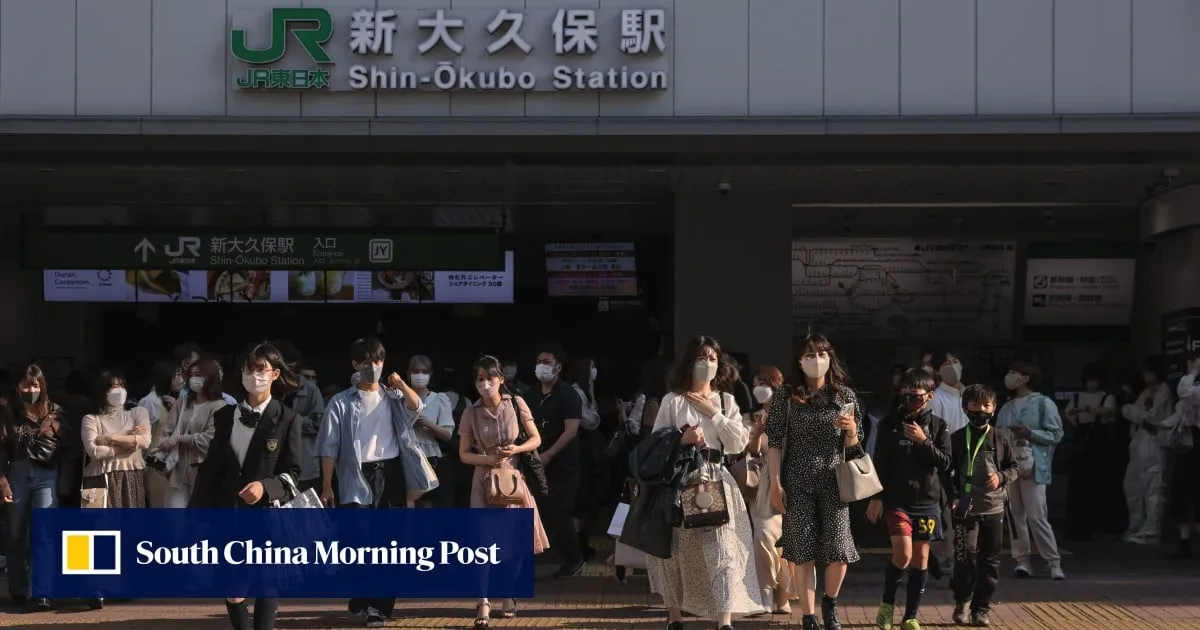
South China Morning PostFIG 01
Reading time
2min
Word count
256words
Sources cited
1cited
Entities identified
4entities
Quality score
100%
§ 01
Briefing Summary
AI-generatedNEWSAR · AI
Twenty-five years after a tragic accident at Shin Okubo station in Tokyo, where two rescuers died attempting to save a drunk man who fell onto the tracks, Japan continues to grapple with alcohol-related railway accidents. The 2001 incident spurred safety upgrades like platform doors, which have reduced accidents in the capital. However, experts, such as Masaki Maezono from Kurihama Medical Clinic, believe Japan lags behind other nations in preventing these incidents, especially in areas without barriers. While platform barriers have improved safety, alcohol-related accidents persist, highlighting the ongoing need for preventative measures. A memorial service was held at Shin Okubo station on Friday for Lee Soo-hyun, one of the rescuers, to honor his selfless act.
Confidence 0.90Sources 1Claims 5Entities 4
§ 02
Article analysis
Model · rule-basedFraming
Human Interest
Public Health
Tone
Measured
AI-assessed
CalmNeutralAlarmist
Factuality
0.70 / 1.00
Factual
LowHigh
Sources cited
1
Limited
FewMany
§ 03
Key claims
5 extracted01
In 2001, three men died at Shin Okubo station attempting to rescue a man who fell on the tracks.
factualArticle
Confidence
1.00
02
The situation has improved and many stations now have automatic barriers.
quoteMasaki Maezono
Confidence
0.90
03
There are still problems involving drinking and trains, especially in areas without barriers.
quoteMasaki Maezono
Confidence
0.80
04
Platform doors and other safeguards have reduced alcohol-linked accidents in Tokyo.
factualArticle
Confidence
0.80
05
Japan’s efforts to prevent accidents linked to alcohol are lagging behind other nations.
quoteMasaki Maezono
Confidence
0.70
§ 04
Full report
2 min read · 256 words§ 05
Entities
4 identifiedKey playerOppositionContextPositiveNeutralNegative
§ 06
Keywords & salience
8 termsalcohol-linked accidents
0.90
japan
0.80
train accidents
0.70
rail safety
0.70
platform doors
0.60
public safety
0.50
alcoholism
0.50
shin okubo station
0.40
§ 07
Topic connections
Interactive graph Network visualization showing 51 related topics
View Full Graph Person Organization Location Event|Click node to navigate|Edge numbers = shared articles