Some 1,300 kilometres away, in the Philippine island province of Palawan, residents reported similar symptoms, including itchy eyes, nose and throat."We are now experiencing mild headaches," said Dr Precious Bañas-Melad. "My cousin who isn't allergic to anything started developing allergies. My husband is the first one who had itchy eyes and throat."Malaysia, meanwhile, has reported rising cases of asthma and conjunctivitis amid worsening air quality nationwide as smoke continues to drift across the border.Getty ImagesCountries across Southeast Asia are reporting harmful levels of air pollutionIndonesia's forest and peatland fires are not a new phenomenon. Experts say the crisis is rooted in decades of land-use change, dating back to the Suharto era, when vast areas of rainforest and peatland in Kalimantan were opened for logging, plantations and large-scale development projects.Today, large-scale fires are often associated with the expansion of industrial plantations and other commercial land use. Environmental groups, researchers, and government investigations have repeatedly alleged that some companies use fire as a cheap and effective way to clear vast areas of land.Some point out that while drought and El Niño conditions help fires spread, the severity of the haze is also linked to human activity. Drained peatlands, industrial timber estates and oil palm plantations can leave landscapes more vulnerable to burning, with fires often recurring in the same areas.Unlike traditional practices, which are small-scale, community-managed, and closely monitored, fires linked to large-scale land development can be far more difficult to control and can cause environmental and public health impacts on a much larger scale.
SRCBBC News - World
LANGEN
LEANCenter
WORDS253
ENT12
THU · 2026-09-03 · 11:35 GMTBRIEF NSR-2026-0903-108812
NSR-2026-0903-108812News Report·EN·Public Health
Toxic wildfire haze spreads across South East Asia as 'super' El Niño intensifies
Toxic wildfire haze is affecting millions across Southeast Asia, with residents in the Philippines reporting itchy eyes and throats, and Malaysia seeing increased cases of asthma and conjunctivitis. The pollution stems from forest and peatland fires in Indonesia, exacerbated by a "super" El Niño intensifying drought conditions.
25 minutes agoShareSaveAdd as preferred on GoogleBBC Indonesian, Gavin Butler and Virma SimonetteBBC News - WorldFiled 2026-09-03 · 11:35 GMTLean · CenterRead · 2 min
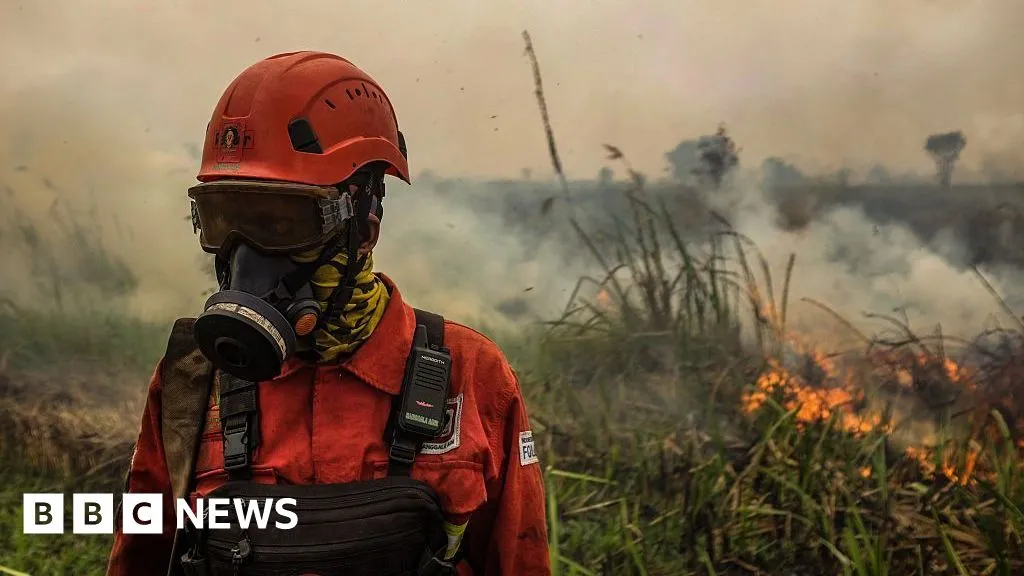
BBC News - WorldFIG 01
Reading time
2min
Word count
253words
Sources cited
2cited
Entities identified
12entities
Quality score
100%
§ 01
Briefing Summary
AI-generatedNEWSAR · AI
Toxic wildfire haze is affecting millions across Southeast Asia, with residents in the Philippines reporting itchy eyes and throats, and Malaysia seeing increased cases of asthma and conjunctivitis. The pollution stems from forest and peatland fires in Indonesia, exacerbated by a "super" El Niño intensifying drought conditions. Experts attribute the severity of the haze to decades of land-use change, including the clearing of rainforests and peatlands for logging and plantations. While drought aids fire spread, human activity, such as companies allegedly using fire to clear land for industrial plantations, is also a significant factor. Drained peatlands and plantations make landscapes more vulnerable to recurring, difficult-to-control fires with widespread environmental and health impacts.
Confidence 0.90Sources 2Claims 5Entities 12
§ 02
Article analysis
Model · rule-basedFraming
Public Health
Environmental
Tone
Mixed Tone
AI-assessed
CalmNeutralAlarmist
Factuality
0.70 / 1.00
Factual
LowHigh
Sources cited
2
Limited
FewMany
§ 03
Key claims
5 extracted01
Residents in Palawan, Philippines, reported symptoms like itchy eyes and throat due to wildfire haze.
quoteDr Precious Bañas-Melad
Confidence
1.00
02
Drained peatlands and plantations make landscapes more vulnerable to fires, exacerbated by drought and El Niño.
factual
Confidence
0.90
03
Indonesia's forest and peatland fires are linked to decades of land-use change, including logging and plantations.
factual
Confidence
0.90
04
Malaysia has seen an increase in asthma and conjunctivitis cases amid worsening air quality.
factual
Confidence
0.90
05
Companies are alleged to use fire as a cheap method to clear land for industrial plantations and commercial use.
factualEnvironmental groups, researchers, government investigations
Confidence
0.80
§ 04
Full report
2 min read · 253 words§ 05
Entities
12 identifiedKey playerOppositionContextPositiveNeutralNegative
Locations5
Events1
§ 06
Keywords & salience
10 termswildfire haze
1.00
el niño
0.90
air pollution
0.80
land-use change
0.70
southeast asia
0.70
industrial plantations
0.60
peatland fires
0.60
public health impacts
0.50
drought
0.40
oil palm plantations
0.40
§ 07
Topic connections
Interactive graph Network visualization showing 2 related topics
View Full Graph Person Organization Location Event|Click node to navigate|Edge numbers = shared articles