The United States should start preparing for scenarios where extreme measures must be taken to stop China from achieving Artificial General Intelligence (AGI), according to a former White House official, including state-backed espionage and military strikes on Chinese data centres.Jacob Stokes, deputy director of the Indo-Pacific Security Program at the Centre for a New American Security (CNAS), said at an online event on Thursday that various US agencies, including the Department of Defense and the National Security Agency, should begin assessing what intelligence they need to justify taking such actions.“Trying to think through the particulars of that will be especially important, in part because it will help policymakers … start to work backwards based on the unique nature of the technology, in the same way that in a past era, policymakers would learn about nuclear weapons and … work backwards from the science to the policy implications,” he said.
SRCSouth China Morning Post
LANGEN
LEANCenter-Right
WORDS149
ENT8
THU · 2026-09-03 · 22:13 GMTBRIEF NSR-2026-0904-109026
NSR-2026-0904-109026News Report·EN·National Security
US urged to consider military strikes to stop China achieving AGI first
A former White House official, Jacob Stokes, has urged the United States to prepare for extreme measures to prevent China from achieving artificial general intelligence (AGI) first. Stokes, deputy director of the Indo-Pacific Security Program at the Centre for a New American Security, stated at an online event that US agencies, including the Department of Defense and the National Security Agency, should assess the intelligence needed to justify actions like state-backed espionage and military strikes on Chinese data centers.
Vincent ChowSouth China Morning PostFiled 2026-09-03 · 22:13 GMTLean · Center-RightRead · 1 min
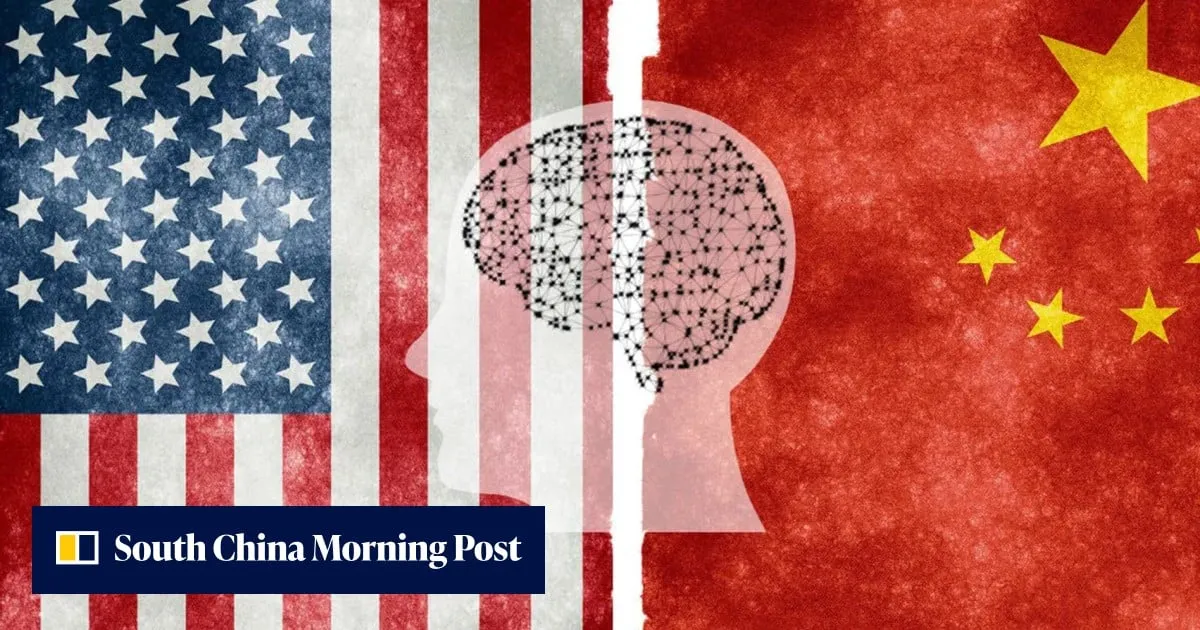
South China Morning PostFIG 01
Reading time
1min
Word count
149words
Sources cited
1cited
Entities identified
8entities
Quality score
100%
§ 01
Briefing Summary
AI-generatedNEWSAR · AI
A former White House official, Jacob Stokes, has urged the United States to prepare for extreme measures to prevent China from achieving artificial general intelligence (AGI) first. Stokes, deputy director of the Indo-Pacific Security Program at the Centre for a New American Security, stated at an online event that US agencies, including the Department of Defense and the National Security Agency, should assess the intelligence needed to justify actions like state-backed espionage and military strikes on Chinese data centers. He emphasized the importance of understanding the technology's unique nature to inform policy, drawing a parallel to how policymakers approached nuclear weapons in the past. The goal is to work backward from the science to policy implications.
Confidence 0.85Sources 1Claims 4Entities 8
§ 02
Article analysis
Model · rule-basedFraming
National Security
Technology
Tone
Sensational
AI-assessed
CalmNeutralAlarmist
Factuality
0.30 / 1.00
Opinion-Heavy
LowHigh
Sources cited
1
Limited
FewMany
§ 03
Key claims
4 extracted01
Policymakers should work backwards from the science to policy implications, similar to nuclear weapons.
quoteJacob Stokes
Confidence
0.90
02
US agencies should assess intelligence needs to justify such actions.
quoteJacob Stokes
Confidence
0.90
03
Extreme measures could include state-backed espionage and military strikes on Chinese data centres.
quoteJacob Stokes
Confidence
0.90
04
US should prepare for extreme measures to stop China from achieving AGI first.
quoteJacob Stokes
Confidence
0.90
§ 04
Full report
1 min read · 149 words§ 05
Entities
8 identifiedKey playerOppositionContextPositiveNeutralNegative
Organizations3
§ 06
Keywords & salience
8 termsartificial general intelligence
1.00
china
0.90
us
0.90
military strikes
0.80
espionage
0.70
data centres
0.60
national security
0.50
policy implications
0.40
§ 07
Topic connections
Interactive graph Network visualization showing 3 related topics
View Full Graph Person Organization Location Event|Click node to navigate|Edge numbers = shared articles