By David Bauder Updated 7:41 PM MESZ, September 4, 2026 Add AP News on Google Add AP News as your preferred source to see more of our stories on Google. Share Share Facebook Copy Link copied Print Email X LinkedIn Bluesky Flipboard Pinterest Reddit Croton-on-Hudson, N.Y. (AP) — If the TV remote hadn’t been invented, channel surfers and couch potatoes would have to argue about something else. Come to think of it, those surfers and potatoes might not even exist. It may be difficult for anyone under 40 to understand, but there was a time when changing a channel meant getting up, walking over to the “television set” and turning a “dial.” Scientists at Zenith Electronics recognized a problem that needed to be solved fairly quickly. The first TV remote, called “Lazy Bone,” was put on the market in 1950. It wasn’t wireless. People tripped. The first wireless remote, the “Flash-Matic,” five years later, looked disturbingly like a gun and used light signals. The TV wasn’t discriminating, and on sunny days false signals could cause spontaneous channel changes. The next year, Zenith’s “Space Command” was introduced using sound waves. On those early models, the press of a button produced a clicking noise – hence the term “clicker.” Remotes using infrared signals emerged in the 1980s when, with the dawn of cable’s multichannel universe, the device became indispensable. “Losing the remote in the couch cushions became as frantic an event as losing a phone is today,” says David Bianculli, TV critic for NPR’s “Fresh Air” and a professor at Rowan University in New Jersey. The Oscar statuette is Hollywood’s ultimate recognition, full of lore, mysteries and rules 1 MIN READ Sippin’ (and chuggin’) through the years with a party mainstay — the red Solo cup 12 MIN READ 19 Across US history, the AP has watched, chronicled and helped people understand a complex world 12 MIN READ 19 Remotes influenced how TV was programmed and consumed. The flow of a network’s schedule was essential: How do you prevent a viewer from changing channels? CBS’ Saturday night schedule in the 1970s, from “All in the Family” through to “The Carol Burnett Show,” was a masterpiece in program flow. NBC once considered Thursday nights “must-see TV.” The early days of cable produced the surfer, who aimlessly pressed the remote to scan channels. That put a premium on flashy; you had to catch the eye. Remotes have downsides. They amplify selfishness. They reproduce uncontrollably until you don’t know which to use. Batteries die at inopportune moments. Now that appliances can listen, maybe remotes fade away. Until then, it’s back to searching for wherever you left the clicker. In the refrigerator while you were getting a snack? In the bathroom? We’ll pause, as it were, until you find it. In the meantime, we’ll leave you with this: Robert Adler, co-inventor of the TV remote, poses with remotes at Zenith in Glenview, Ill., March 28, 1996. (AP Photo/Chicago Sun-Times, Al Podgorski, File) “The flush toilet may have been the most civilized invention ever devised, but the remote control is the next most important. It’s almost as important as sex.” That’s from the late Zenith scientist Eugene Polley, who together with colleague Robert Adler was considered the pioneer of wireless remote technology. Polley may have been feeling pride of ownership. Then again, there’s no firmer upper hand in a relationship than who has control of the clicker. American Objects These are among the items that have shaped the nation. Here are their stories. David Bauder Bauder was the AP’s national media writer, covering the intersection of news, politics and entertainment. He retired in May 2026. twitter mailto
SRCAssociated Press (AP)
LANGEN
LEANCenter
WORDS610
ENT12
FRI · 2026-09-04 · 17:53 GMTBRIEF NSR-2026-0904-109288
NSR-2026-0904-109288News Report·EN·Human Interest
Ode to the remote control, that tiny box that lets you channel your desires without ever getting up
The TV remote control, invented by Zenith Electronics scientists, revolutionized television viewing by eliminating the need to physically change channels. Early iterations like the wired "Lazy Bone" (1950) and the light-based "Flash-Matic" (1956) were followed by the sound-wave "Space Command" (1957), which earned the nickname "clicker." The advent of infrared remotes in the 1980s coincided with the rise of cable TV, making the device essential and influencing programming strategies.
Associated Press (AP)Filed 2026-09-04 · 17:53 GMTLean · CenterRead · 3 min
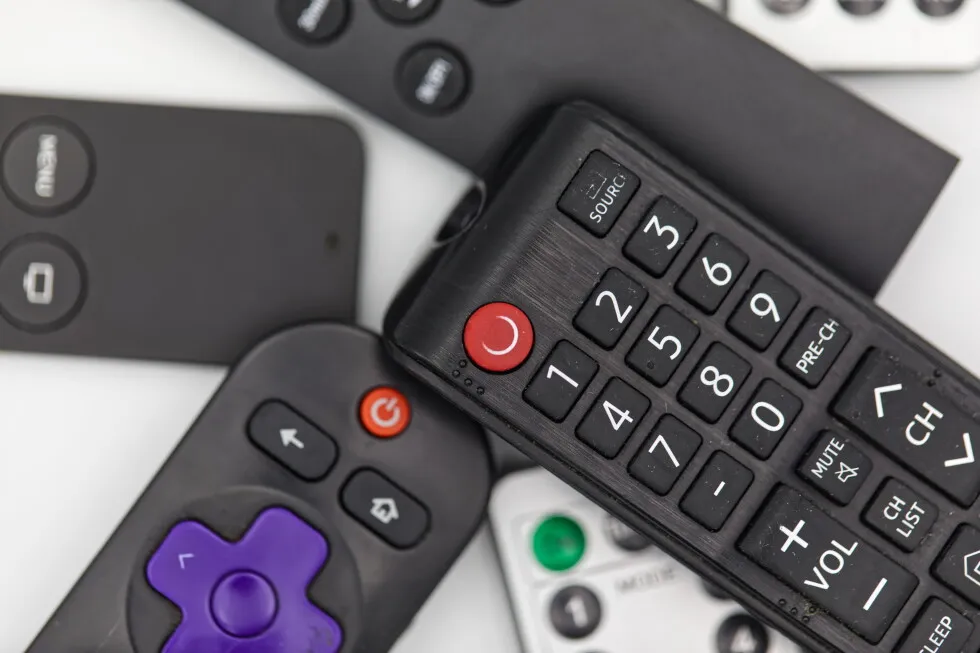
Associated Press (AP)FIG 01
Reading time
3min
Word count
610words
Sources cited
1cited
Entities identified
12entities
Quality score
100%
§ 01
Briefing Summary
AI-generatedNEWSAR · AI
The TV remote control, invented by Zenith Electronics scientists, revolutionized television viewing by eliminating the need to physically change channels. Early iterations like the wired "Lazy Bone" (1950) and the light-based "Flash-Matic" (1956) were followed by the sound-wave "Space Command" (1957), which earned the nickname "clicker." The advent of infrared remotes in the 1980s coincided with the rise of cable TV, making the device essential and influencing programming strategies. Despite their convenience, remotes can lead to issues like selfishness and being misplaced. Pioneers Eugene Polley and Robert Adler are credited with developing wireless remote technology.
Confidence 0.90Sources 1Claims 5Entities 12
§ 02
Article analysis
Model · rule-basedFraming
Human Interest
Technology
Tone
Measured
AI-assessed
CalmNeutralAlarmist
Factuality
0.70 / 1.00
Factual
LowHigh
Sources cited
1
Limited
FewMany
§ 03
Key claims
5 extracted01
David Bianculli states that losing the remote became as frantic an event as losing a phone is today.
quoteDavid Bianculli
Confidence
1.00
02
Remotes using infrared signals emerged in the 1980s, becoming indispensable with the rise of cable TV.
factual
Confidence
1.00
03
Zenith's 'Space Command' remote, introduced the next year, used sound waves and produced a clicking noise.
factual
Confidence
1.00
04
The first wireless remote, the 'Flash-Matic,' used light signals and could cause spontaneous channel changes on sunny days.
factual
Confidence
1.00
05
The first TV remote, called 'Lazy Bone,' was put on the market in 1950 and was not wireless.
factual
Confidence
1.00
§ 04
Full report
3 min read · 610 words§ 05
Entities
12 identifiedKey playerOppositionContextPositiveNeutralNegative
Organizations5
§ 06
Keywords & salience
8 termsremote control
1.00
television
0.90
channel surfing
0.80
zenith electronics
0.70
wireless technology
0.60
cable television
0.50
consumer electronics
0.40
media consumption
0.40
§ 07
Topic connections
Interactive graph No topic relationship data available yet. This graph will appear once topic relationships have been computed.