China has been urged to draw on the lessons from Ukraine’s communications as it looks at new forms of wartime messaging.A recent study concluded that in the complex modern information environment, possessing advanced technology was not enough because success would depend on “weaving” together the information strategy and military operations.It said such campaigns should try to shatter the adversary’s sense of security while strengthening domestic resolve and gathering international support.Beijing should prioritise “multi-actor coordination”, where government, think tanks and internet influencers are all used to deliver the message in sync, researchers at the National University of Defence Technology argued.They also called for layered storytelling tailored to different audiences and the aggressive use of generative AI tools to create, promote and defend its messaging amid “the complex landscape of international public opinion”.
SRCSouth China Morning Post
LANGEN
LEANCenter-Right
WORDS131
ENT4
SUN · 2026-09-06 · 12:00 GMTBRIEF NSR-2026-0906-109727
NSR-2026-0906-109727News Report·EN·Political Strategy
Why China is being urged to study Ukraine’s wartime PR blitz in the AI age
China is being advised to study Ukraine's wartime public relations strategies for developing its own future messaging. A study by researchers at the National University of Defence Technology suggests that in today's information environment, technological advancement alone is insufficient for success.
Jane CaiSouth China Morning PostFiled 2026-09-06 · 12:00 GMTLean · Center-RightRead · 1 min
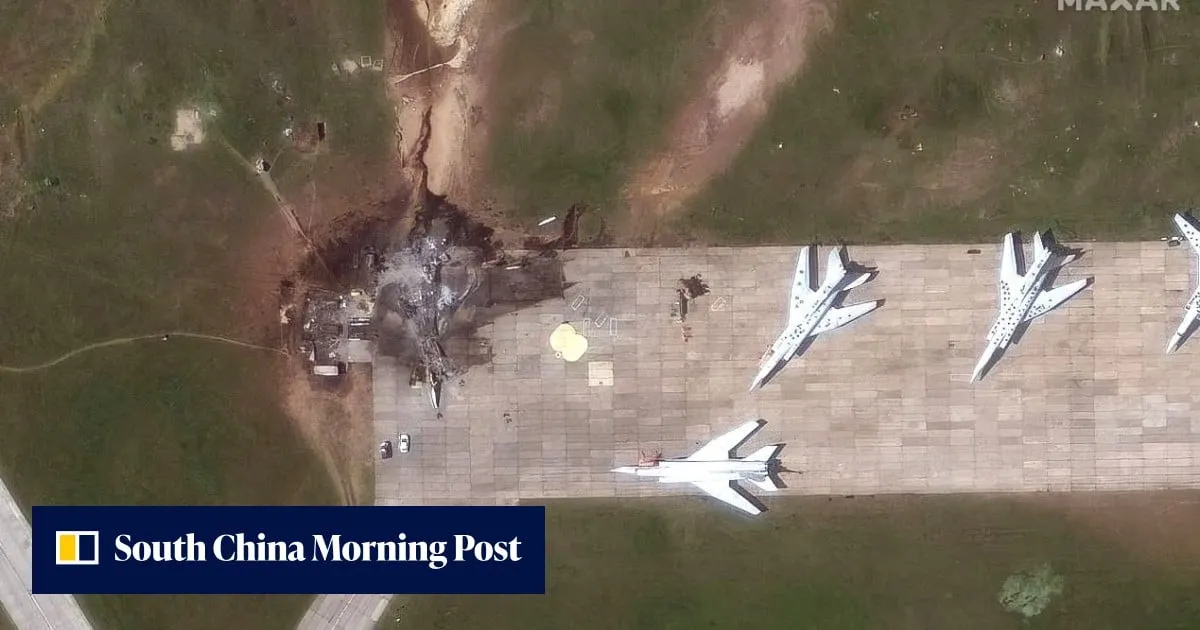
South China Morning PostFIG 01
Reading time
1min
Word count
131words
Sources cited
1cited
Entities identified
4entities
Quality score
100%
§ 01
Briefing Summary
AI-generatedNEWSAR · AI
China is being advised to study Ukraine's wartime public relations strategies for developing its own future messaging. A study by researchers at the National University of Defence Technology suggests that in today's information environment, technological advancement alone is insufficient for success. Instead, effective wartime messaging requires integrating information strategy with military operations. Such campaigns should aim to undermine an adversary's security, bolster domestic support, and secure international backing. The researchers recommend prioritizing "multi-actor coordination," involving government, think tanks, and influencers, and employing layered storytelling for diverse audiences. They also advocate for the extensive use of generative AI to create, promote, and defend messaging within the complex international opinion landscape.
Confidence 0.85Sources 1Claims 5Entities 4
§ 02
Article analysis
Model · rule-basedFraming
Political Strategy
Technology
Tone
Measured
AI-assessed
CalmNeutralAlarmist
Factuality
0.60 / 1.00
Mixed
LowHigh
Sources cited
1
Limited
FewMany
§ 03
Key claims
5 extracted01
Layered storytelling and aggressive use of generative AI are recommended for messaging.
factualresearchers at the National University of Defence Technology
Confidence
0.90
02
Beijing should prioritize multi-actor coordination using government, think tanks, and influencers.
factualresearchers at the National University of Defence Technology
Confidence
0.90
03
China has been urged to draw on lessons from Ukraine’s wartime communications in the AI age.
factual
Confidence
0.90
04
Wartime campaigns should shatter adversary's security, strengthen domestic resolve, and gather international support.
factuala recent study
Confidence
0.70
05
Success in modern information environments depends on weaving information strategy and military operations.
factuala recent study
Confidence
0.70
§ 04
Full report
1 min read · 131 words§ 05
Entities
4 identifiedKey playerOppositionContextPositiveNeutralNegative
§ 06
Keywords & salience
9 termswartime messaging
1.00
generative ai
0.90
information strategy
0.80
public opinion
0.70
china
0.60
ukraine
0.60
multi-actor coordination
0.50
domestic resolve
0.40
international support
0.40
§ 07
Topic connections
Interactive graph Network visualization showing 51 related topics
View Full Graph Person Organization Location Event|Click node to navigate|Edge numbers = shared articles