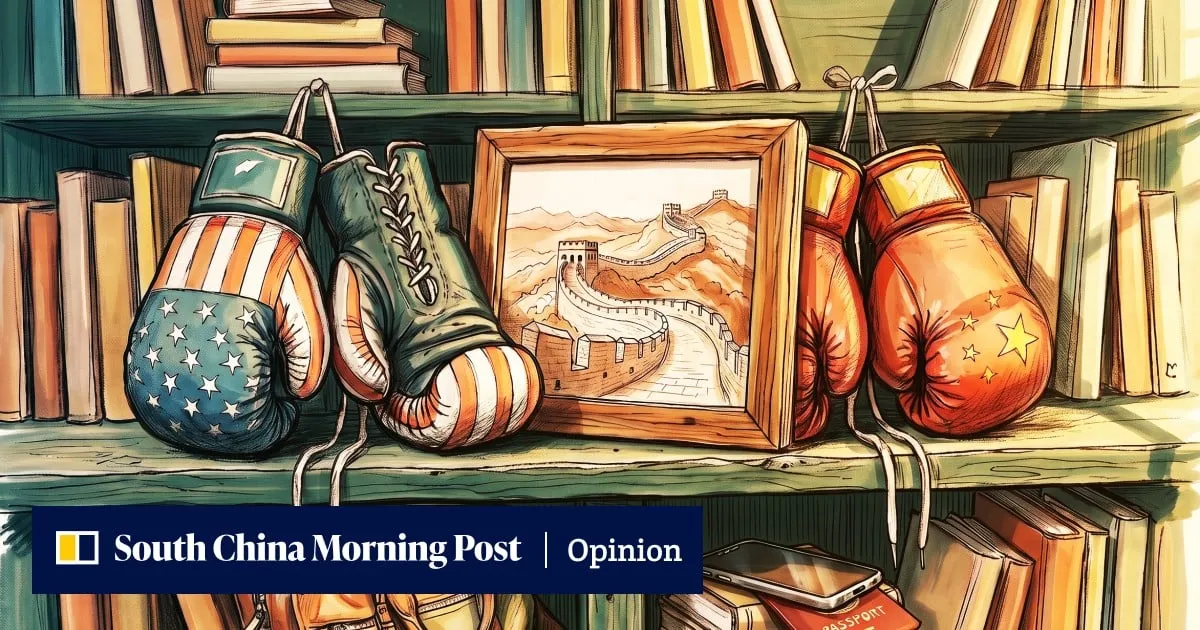
Wang Xiangwei is a senior visiting scholar (2026-27) at the Rajawali Foundation Institute for Asia, Harvard Kennedy School, and a former editor-in-chief of the China-morning-post" class="entity-link entity-organization" data-entity-id="12558" data-entity-type="organization">South China Morning Post.Before boarding my flight to Boston late last month, I spent the better part of three days doing something I never imagined I would do in more than 30 years of covering China: scrubbing my phone. Old emails, screenshots, WeChat threads that might be read the wrong way, anything that could be misconstrued in an airport interview room – all deleted, just in case.I was not being paranoid. I was following advice now routinely passed among Chinese travellers to the United States: carry a clean phone, or better yet, a burner. American officials, academics and business travellers headed into China have long been told the same thing. Two sets of citizens, one shared instinct – that what is on your phone could get you into trouble on the other side.As it turned out, my entry into the US was swift and unremarkable. No locked room, no confiscated devices, none of the horror stories that have circulated among Chinese academics in recent years. The gap between what I feared and what happened was, in miniature, what I have spent 35 years writing about: the gap between perception and reality in China-relations" class="entity-link entity-event" data-entity-id="110704" data-entity-type="event">US-China relations. It is also the reason I am here.
SRCSouth China Morning Post
LANGEN
LEANCenter-Right
WORDS226
ENT8
SUN · 2026-09-06 · 21:30 GMTBRIEF NSR-2026-0906-109807
NSR-2026-0906-109807Opinion·EN·Diplomatic
Heading to America to bridge the gap in US-China relations
Wang Xiangwei, a former editor-in-chief of the South China Morning Post and current visiting scholar at Harvard Kennedy School, describes his recent travel experience to the United States. Before his flight to Boston, he meticulously deleted content from his phone, a common practice among Chinese travelers to the US due to concerns about potential scrutiny.
Wang XiangweiSouth China Morning PostFiled 2026-09-06 · 21:30 GMTLean · Center-RightRead · 1 min
South China Morning PostFIG 01
Reading time
1min
Word count
226words
Sources cited
0cited
Entities identified
8entities
Quality score
100%
§ 01
Briefing Summary
AI-generatedNEWSAR · AI
Wang Xiangwei, a former editor-in-chief of the South China Morning Post and current visiting scholar at Harvard Kennedy School, describes his recent travel experience to the United States. Before his flight to Boston, he meticulously deleted content from his phone, a common practice among Chinese travelers to the US due to concerns about potential scrutiny. This cautious approach stemmed from advice that American travelers to China also receive regarding their devices. Despite his apprehension, Wang's entry into the US was uneventful, highlighting a discrepancy between perceived risks and actual experiences in US-China relations. He suggests this gap between perception and reality is a recurring theme he has observed throughout his career and the reason for his current presence in the US.
Confidence 0.90Claims 4Entities 8
§ 02
Article analysis
Model · rule-basedFraming
Diplomatic
Human Interest
Tone
Measured
AI-assessed
CalmNeutralAlarmist
Factuality
0.30 / 1.00
Opinion-Heavy
LowHigh
Sources cited
0
No named sources
FewMany
§ 03
Key claims
4 extracted01
The gap between the author's fears and his actual experience reflects the gap between perception and reality in US-China relations.
factualarticle
Confidence
1.00
02
The author's entry into the US was swift and unremarkable, contrary to feared 'horror stories'.
factualarticle
Confidence
0.90
03
Chinese travelers to the US are advised to carry a clean phone or a burner due to potential scrutiny.
factualarticle
Confidence
0.80
04
American officials, academics, and business travelers heading into China are routinely told to carry clean phones.
factualarticle
Confidence
0.70
§ 04
Full report
1 min read · 226 words§ 05
Entities
8 identifiedKey playerOppositionContextPositiveNeutralNegative
Organizations3
§ 06
Keywords & salience
7 termsus-china relations
1.00
perception vs reality
0.80
travel concerns
0.70
phone security
0.60
chinese travelers
0.50
harvard kennedy school
0.40
south china morning post
0.40
§ 07
Topic connections
Interactive graph No topic relationship data available yet. This graph will appear once topic relationships have been computed.