Dr Jane Lee, MH, JP, is president of Our Hong Kong Foundation and founding CEO of Hong Kong Policy Research Institute.What kind of population is Hong Kong planning for? That is the question the chief executive’s policy address must tackle as the Northern Metropolis begins to take shape.Much more than just another new town, the Northern Metropolis is Hong Kong’s most consequential project for its next phase of development, expected to house 2.5 million residents and provide 650,000 jobs. The numbers are well known, but they are not the story.This population of 2.5 million will be like no other. The Northern Metropolis’ deep integration with Shenzhen and the Greater Bay Area means its residents will live, work, study and access services on both sides of the border. As Hong Kong’s population becomes increasingly dynamic and mobile, the Northern Metropolis should serve as the starting point for developing a citywide population strategy that aligns public policies with the realities of a cross-boundary lifestyle.
SRCSouth China Morning Post
LANGEN
LEANCenter-Right
WORDS162
ENT9
WED · 2026-09-09 · 21:30 GMTBRIEF NSR-2026-0909-110091
NSR-2026-0909-110091Opinion·EN·Political Strategy
Hong Kong must plan for the population it wants to have
Hong Kong's Chief Executive's policy address must address the type of population it is planning for, particularly as the Northern Metropolis development progresses. This significant project aims to house 2.5 million residents and create 650,000 jobs, but its residents will be unique due to deep integration with Shenzhen and the Greater Bay Area.
Jane LeeSouth China Morning PostFiled 2026-09-09 · 21:30 GMTLean · Center-RightRead · 1 min
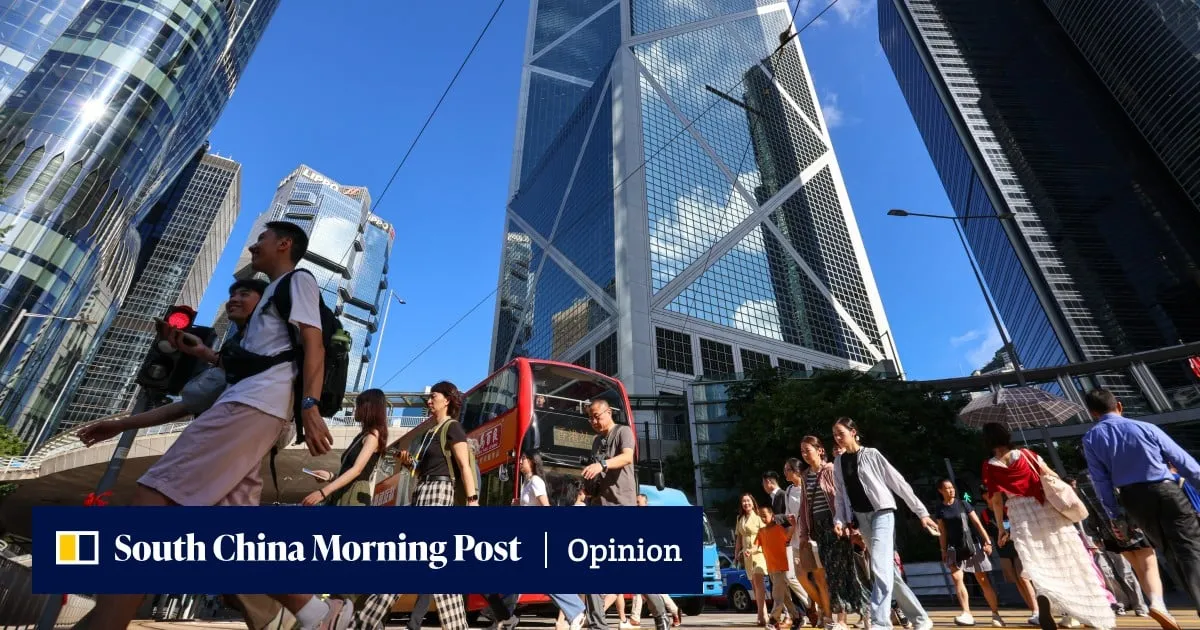
South China Morning PostFIG 01
Reading time
1min
Word count
162words
Sources cited
1cited
Entities identified
9entities
Quality score
100%
§ 01
Briefing Summary
AI-generatedNEWSAR · AI
Hong Kong's Chief Executive's policy address must address the type of population it is planning for, particularly as the Northern Metropolis development progresses. This significant project aims to house 2.5 million residents and create 650,000 jobs, but its residents will be unique due to deep integration with Shenzhen and the Greater Bay Area. This integration means residents will live, work, study, and access services across the border. As Hong Kong's population becomes more mobile, the Northern Metropolis should initiate a citywide population strategy that aligns public policies with this cross-boundary lifestyle.
Confidence 0.90Sources 1Claims 5Entities 9
§ 02
Article analysis
Model · rule-basedFraming
Political Strategy
Economic Impact
Tone
Measured
AI-assessed
CalmNeutralAlarmist
Factuality
0.30 / 1.00
Opinion-Heavy
LowHigh
Sources cited
1
Limited
FewMany
§ 03
Key claims
5 extracted01
The Northern Metropolis' deep integration with Shenzhen and the Greater Bay Area means its residents will live, work, study and access services on both sides of the border.
factualOur Hong Kong Foundation / Hong Kong Policy Research Institute
Confidence
0.90
02
The Northern Metropolis is expected to house 2.5 million residents and provide 650,000 jobs.
statisticOur Hong Kong Foundation / Hong Kong Policy Research Institute
Confidence
0.90
03
Hong Kong's population is becoming increasingly dynamic and mobile.
factualOur Hong Kong Foundation / Hong Kong Policy Research Institute
Confidence
0.80
04
The Northern Metropolis is Hong Kong’s most consequential project for its next phase of development.
factualOur Hong Kong Foundation / Hong Kong Policy Research Institute
Confidence
0.80
05
The Northern Metropolis should serve as the starting point for developing a citywide population strategy that aligns public policies with the realities of a cross-boundary lifestyle.
predictionOur Hong Kong Foundation / Hong Kong Policy Research Institute
Confidence
0.70
§ 04
Full report
1 min read · 162 words§ 05
Entities
9 identifiedKey playerOppositionContextPositiveNeutralNegative
People1
Organizations2
Locations4
§ 06
Keywords & salience
8 termsnorthern metropolis
1.00
population strategy
0.90
cross-boundary lifestyle
0.80
greater bay area
0.70
policy address
0.60
urban development
0.50
shenzhen
0.40
public policies
0.40
§ 07
Topic connections
Interactive graph Network visualization showing 51 related topics
View Full Graph Person Organization Location Event|Click node to navigate|Edge numbers = shared articles