Chinese scientists boost hydrogen fuel cell power fourfold with new design3-MIN READ3-MIN0ListenPublished: 2:00am, 11 Sep 2026Chinese scientists have developed a way to generate a fourfold increase in power output of Hydrogen Fuel Cells, an advance that could broaden their use from Road vehicles to Space missions.Hydrogen is widely viewed as a promising Clean Energy source for a Low-carbon future. Fuel cells convert the chemical energy in hydrogen directly into electricity, producing water as their only exhaust.In a study published in the peer-reviewed journal Science on Thursday, researchers at the Beijing Institute of Technology reported a major advance in proton-exchange membrane fuel cells (PEMFCs), the type already used in many hydrogen-powered vehicles.Select VoiceSelect Speed0.8x0.9x1.0x1.1x1.2x1.5x1.75x1xAI-generated voice
SRCSouth China Morning Post
LANGEN
LEANCenter-Right
WORDS114
ENT9
THU · 2026-09-10 · 18:00 GMTBRIEF NSR-2026-0910-110360
NSR-2026-0910-110360News Report·EN·Technology
Chinese scientists boost hydrogen fuel cell power fourfold with new design
Chinese scientists at the Beijing Institute of Technology have developed a new design for proton-exchange membrane fuel cells (PEMFCs) that significantly boosts their power output. Published in the journal Science on Thursday, this innovation achieves a fourfold increase in power generation.
Zhang TongSouth China Morning PostFiled 2026-09-10 · 18:00 GMTLean · Center-RightRead · 1 min
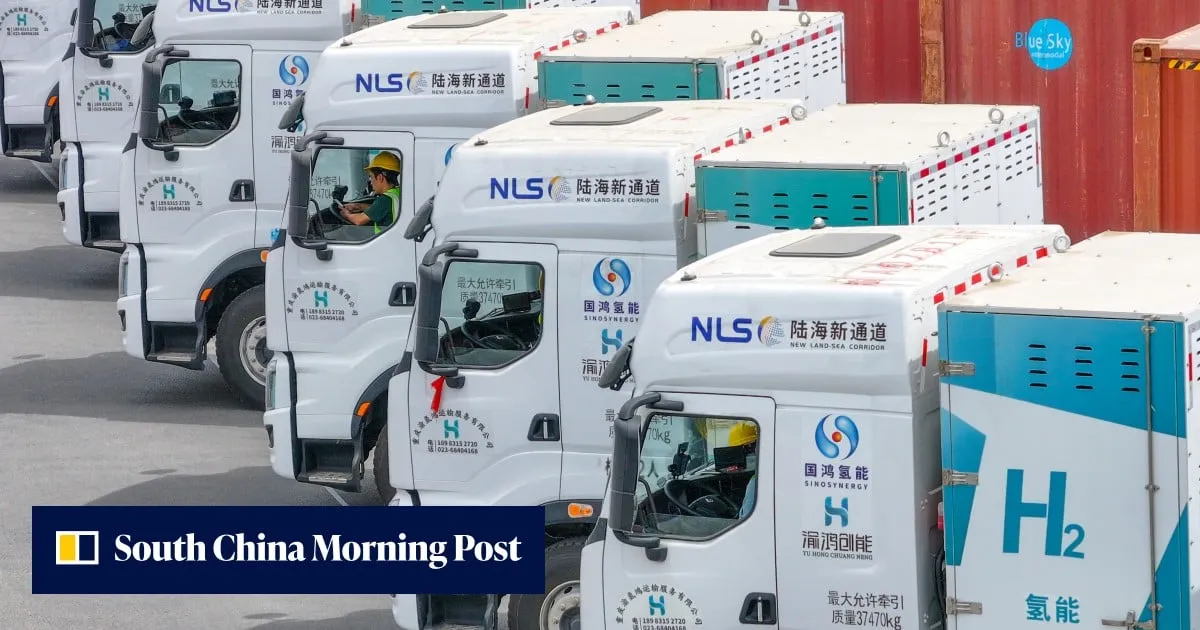
South China Morning PostFIG 01
Reading time
1min
Word count
114words
Sources cited
1cited
Entities identified
9entities
Quality score
100%
§ 01
Briefing Summary
AI-generatedNEWSAR · AI
Chinese scientists at the Beijing Institute of Technology have developed a new design for proton-exchange membrane fuel cells (PEMFCs) that significantly boosts their power output. Published in the journal Science on Thursday, this innovation achieves a fourfold increase in power generation. This advancement could expand the applications of hydrogen fuel cells beyond road vehicles to include space missions. Hydrogen is recognized as a key clean energy source for a low-carbon future, with fuel cells converting its chemical energy into electricity and producing only water as exhaust.
Confidence 0.85Sources 1Claims 5Entities 9
§ 02
Article analysis
Model · rule-basedFraming
Technology
Environmental
Tone
Measured
AI-assessed
CalmNeutralAlarmist
Factuality
0.90 / 1.00
Factual
LowHigh
Sources cited
1
Limited
FewMany
§ 03
Key claims
5 extracted01
Fuel cells convert the chemical energy in hydrogen directly into electricity, producing water as their only exhaust.
factual
Confidence
1.00
02
The advance is in proton-exchange membrane fuel cells (PEMFCs), the type already used in many hydrogen-powered vehicles.
factualScience journal
Confidence
0.95
03
Chinese scientists have developed a way to generate a fourfold increase in power output of hydrogen fuel cells.
factualBeijing Institute of Technology researchers
Confidence
0.95
04
Hydrogen is widely viewed as a promising clean energy source for a low-carbon future.
factual
Confidence
0.90
05
This advance could broaden the use of hydrogen fuel cells from road vehicles to space missions.
prediction
Confidence
0.70
§ 04
Full report
1 min read · 114 words§ 05
Entities
9 identifiedKey playerOppositionContextPositiveNeutralNegative
Locations1
§ 06
Keywords & salience
9 termshydrogen fuel cell
1.00
power output
0.90
clean energy
0.80
proton-exchange membrane fuel cells
0.70
low-carbon future
0.60
electricity generation
0.50
beijing institute of technology
0.50
space missions
0.40
road vehicles
0.40
§ 07
Topic connections
Interactive graph No topic relationship data available yet. This graph will appear once topic relationships have been computed.