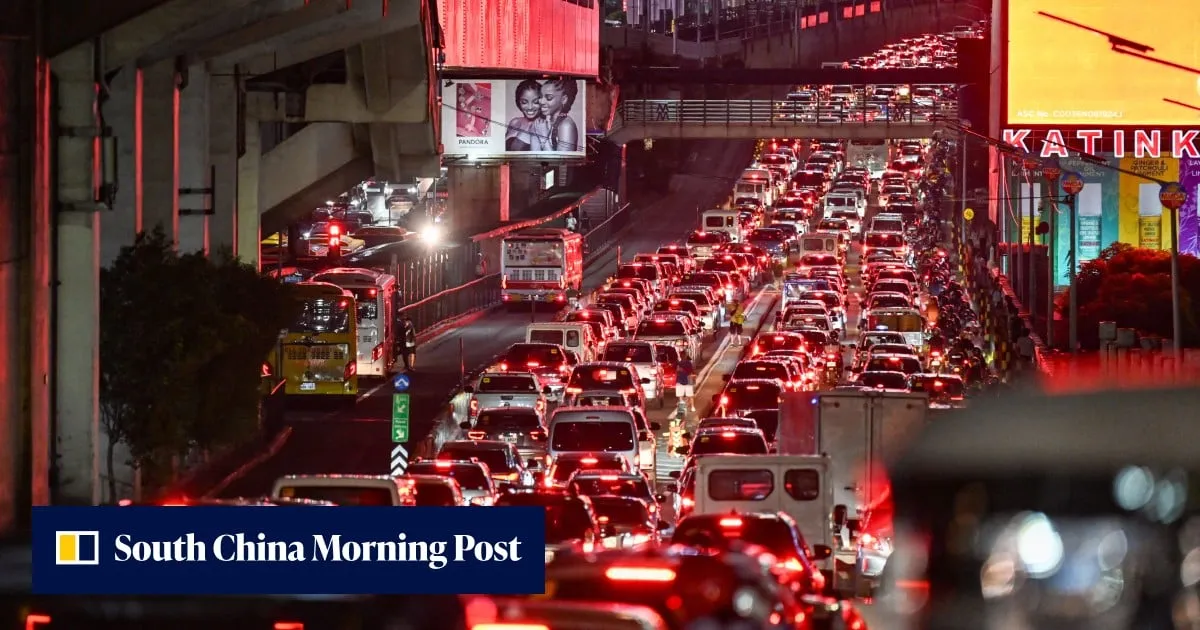
A two-hour commute for a 14km (8.7-mile) journey. For Julius Dalay and millions of other Filipinos, this is just how public transport works in Manila: a mishmash of jeepneys, trains and buses that commuters are left to figure out for themselves.Dalay, an environmental planner, is resigned to the chaos. Reaching his destination usually involves hailing a jeepney, then cramming into a packed train and enduring a slow bus crawl along the capital’s main thoroughfares.“You either wait the jeepney out, or you pray to God that the vehicles aren’t packed,” he said.
SRCSouth China Morning Post
LANGEN
LEANCenter-Right
WORDS91
ENT8
SAT · 2026-09-12 · 02:00 GMTBRIEF NSR-2026-0912-110680
NSR-2026-0912-110680News Report·EN·Human Interest
Philippines bets big on rail, but can it fix a broken transport network?
Millions of Filipinos, like environmental planner Julius Dalay, endure chaotic and time-consuming commutes in Manila due to a fragmented public transport system. Journeys of just 14 kilometers can take two hours, involving a combination of jeepneys, trains, and buses that commuters must navigate independently.
Sam BeltranSouth China Morning PostFiled 2026-09-12 · 02:00 GMTLean · Center-RightRead · 1 min
South China Morning PostFIG 01
Reading time
1min
Word count
91words
Sources cited
1cited
Entities identified
8entities
Quality score
100%
§ 01
Briefing Summary
AI-generatedNEWSAR · AI
Millions of Filipinos, like environmental planner Julius Dalay, endure chaotic and time-consuming commutes in Manila due to a fragmented public transport system. Journeys of just 14 kilometers can take two hours, involving a combination of jeepneys, trains, and buses that commuters must navigate independently. This inefficient network forces individuals to wait for vehicles or face overcrowded conditions. The article highlights the daily struggles of commuters in the capital's main thoroughfares, where slow bus crawls are common.
Confidence 0.85Sources 1Claims 4Entities 8
§ 02
Article analysis
Model · rule-basedFraming
Human Interest
Economic Impact
Tone
Measured
AI-assessed
CalmNeutralAlarmist
Factuality
0.60 / 1.00
Mixed
LowHigh
Sources cited
1
Limited
FewMany
§ 03
Key claims
4 extracted01
Manila's public transport is a mishmash of jeepneys, trains, and buses.
factual
Confidence
0.95
02
The Philippines is investing heavily in rail infrastructure.
factual
Confidence
0.90
03
Commuters in Manila often experience packed vehicles and long waits.
quoteJulius Dalay
Confidence
0.90
04
A two-hour commute for a 14km journey is a reality for many in Manila.
statisticJulius Dalay
Confidence
0.90
§ 04
Full report
1 min read · 91 words§ 05
Entities
8 identifiedKey playerOppositionContextPositiveNeutralNegative
§ 06
Keywords & salience
7 termspublic transport
1.00
transport network
0.90
commute
0.80
manila
0.70
rail
0.60
jeepneys
0.50
transportation infrastructure
0.40
§ 07
Topic connections
Interactive graph Network visualization showing 51 related topics
View Full Graph Person Organization Location Event|Click node to navigate|Edge numbers = shared articles