Wildfires, excess deaths, hosepipe bans, school closures: this summer many British people have experienced the often devastating effects of the climate crisis in ways they had not before. In that sense, policymakers and climate experts have a unique opportunity to engage with the public about what needs to happen to better prepare the country for the years ahead. But as trust in institutions wavers – and yellowed, drought-stricken grass begins to recover – can the messaging cut through?This week, reflecting on a summer as “hot as hell”, the UN’s head of climate, Simon Stiell, said: “Climate is sometimes seen as a partisan issue, as territory in the culture wars. That is palpably false.”He said: “Climate cuts across the core concerns of voters, whatever their politics: [affecting] family health, community safety and economic stability; affordable food and available water; jobs, business costs and household bills.”In policy terms, there are two ways to lessen the impact: climate mitigation and climate adaptation. Mitigation involves reducing the emissions causing global heating, while adaptation is about responding to its impacts. For climate experts and policymakers, the distinction is important.But recent research conducted by Climate Outreach, a charity specialising in climate communication research, found that people in the UK do not generally divide climate action into these two categories. “People talk about them interchangeably,” said Chris Pollard, a senior researcher at Climate Outreach. Only about half of those in the study understood the term “climate adaptation”.However, the mixed response to the government-issued “severe alert” to wildfire risk in mid-August highlighted the need for clearer communication on both. While some recipients of the notification decried the top-down “overreach”, others complained the government should instead be focusing on decarbonising the energy grid.As the impacts of the climate crisis become more immediate, the question is not only whether people understand the difference, but whether their understanding leads to action and support for policies that tackle both.Smoke rises from Wildfires near Dunwich Heath in Suffolk. Photograph: Tolga Akmen/EPA“What people are wanting is: what works, and how they do it,” said Rowena Hill, a professor of resilience, emergencies and disaster science at Nottingham Trent University.But there is a fine line to tread when it comes to responsibility. The recent £75m Let’s Save Water campaign, which advised people to treat water as a precious resource and cut their daily use by 28 litres, prompted questions about whether this put too much responsibility on consumers, given that a huge contributor to water loss is ageing infrastructure and a lack of investment in the water system.“Empowerment is really hindered because of that lack of clear accountability,” Hill said. The “you are responsible” needed to become “we are responsible”, she added.And how do you make sure that people trust the message? Accountability matters, but confidence in political institutions is low, with research suggesting that elected representatives misperceive public support for climate policies. More than a third of Britons surveyed by Ipsos this summer said the Labour government had done a “bad job” dealing with the climate crisis since coming into power in July 2024.Trust also comes from making climate risks relevant to people’s lives. “It is about the community understanding the community’s risks, rather than the community understanding how they might fit into this really big geography of a risk analysis,” Hill said. “The value of our environmental surroundings, how people use that and what that means to the local community is really important.”The response to the felling of the Sycamore Gap tree offers one example: the grief and anger that followed demonstrated people’s strong connection to their immediate environment.skip past newsletter promotionafter newsletter promotionThe Sycamore Gap tree in 2008. Photograph: Murdo Macleod/The GuardianClimate Outreach uses the seven British segments produced by More in Common to understand how people’s values differ, and where messages can resonate across groups. As Pollock puts it, messaging should focus on “things that cut across values” using framings that “appeal to as many people as possible and do not alienate”.In a time of culture wars, this advice is not just theoretical. Greener Henley, a climate and nature-based action charity, is using it. “We’re appealing to people across the political spectrum,” said Kate Oldridge, the charity’s executive director. The charity used research on the segmentation of the local community to tailor its pledges, inviting people to commit to simple, practical actions that are “very relevant to people’s lives”.Oldbridge said this approach could drive tangible change beyond the community. “It also serves to inspire by demonstrating to policymakers that here’s a community that can do something really amazing,” she said. For example, the charity is working with schools to implement climate action plans recommended by the government, including offering practical help to keep classrooms cool in summer and better defend playgrounds against flooding.For the volunteers, taking part provides a sense of hope and collective purpose. Oldbridge said: “They see that there’s a problem. They want to do something, but it also brings them joy to get out there and do something. It makes them feel more hopeful, more inspired.“We feel massively supported and our anxiety alleviated by the fact that we’re actually doing this work and doing it with each other.”
SRCThe Guardian - World News
LANGEN
LEANCenter-Left
WORDS859
ENT11
SAT · 2026-09-12 · 11:00 GMTBRIEF NSR-2026-0912-110749
NSR-2026-0912-110749Analysis·EN·Human Interest
Beyond the heatwave: what it really takes for climate warnings to cut through in the UK
Recent extreme weather events in the UK have highlighted the climate crisis, presenting an opportunity for policymakers and experts to engage the public on preparedness. However, declining trust in institutions and a tendency for people to view climate mitigation and adaptation interchangeably pose challenges to effective communication.
Natalie WintThe Guardian - World NewsFiled 2026-09-12 · 11:00 GMTLean · Center-LeftRead · 4 min
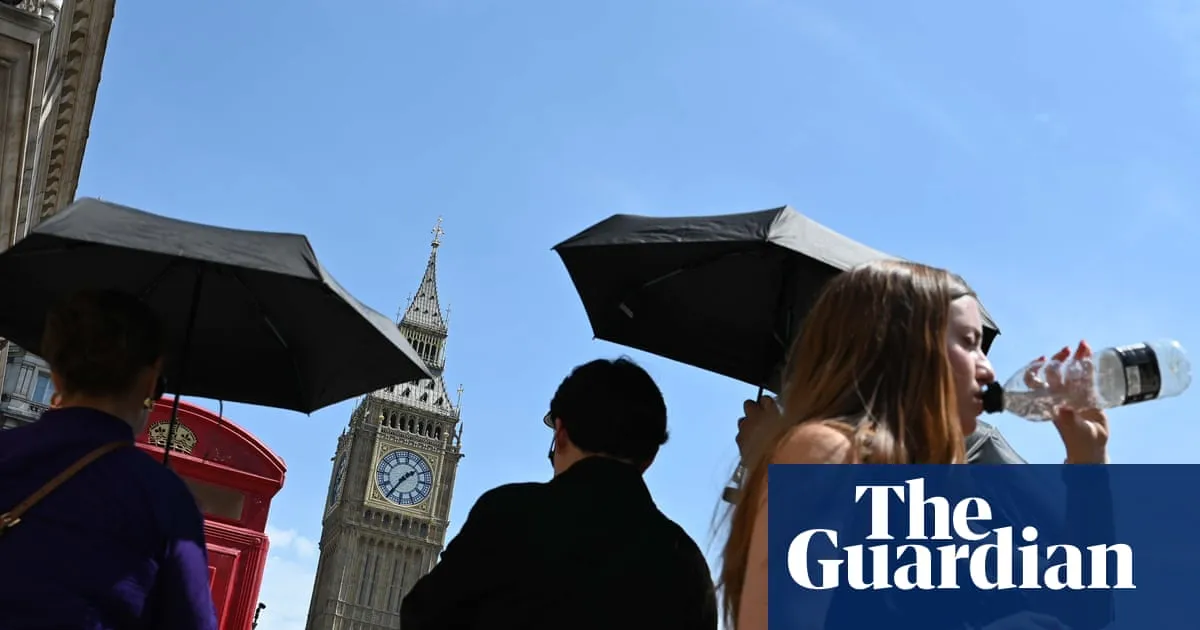
The Guardian - World NewsFIG 01
Reading time
4min
Word count
859words
Sources cited
3cited
Entities identified
11entities
Quality score
100%
§ 01
Briefing Summary
AI-generatedNEWSAR · AI
Recent extreme weather events in the UK have highlighted the climate crisis, presenting an opportunity for policymakers and experts to engage the public on preparedness. However, declining trust in institutions and a tendency for people to view climate mitigation and adaptation interchangeably pose challenges to effective communication. Research suggests that messaging needs to focus on practical solutions and shared community values rather than abstract scientific concepts. Experts emphasize that clear accountability and local, collective action are more effective in driving change than solely placing responsibility on individuals. Tailoring messages to resonate with diverse values and demonstrating tangible local impact can foster broader support for climate policies.
Confidence 0.90Sources 3Claims 4Entities 11
§ 02
Article analysis
Model · rule-basedFraming
Human Interest
Public Health
Tone
Measured
AI-assessed
CalmNeutralAlarmist
Factuality
0.60 / 1.00
Mixed
LowHigh
Sources cited
3
Well sourced
FewMany
§ 03
Key claims
4 extracted01
Climate is sometimes seen as a partisan issue, as territory in the culture wars, which is false.
quoteSimon Stiell
Confidence
1.00
02
The 'you are responsible' messaging for water conservation needs to become 'we are responsible' to empower people.
quoteRowena Hill
Confidence
0.90
03
Many British people experienced devastating effects of the climate crisis this summer, such as wildfires, excess deaths, and school closures.
factual
Confidence
0.90
04
UK people do not generally divide climate action into mitigation and adaptation categories, often using the terms interchangeably.
factualClimate Outreach
Confidence
0.80
§ 04
Full report
4 min read · 859 words§ 05
Entities
11 identifiedKey playerOppositionContextPositiveNeutralNegative
Organizations3
§ 06
Keywords & salience
9 termsclimate crisis
1.00
climate communication
0.90
climate adaptation
0.80
climate mitigation
0.70
public engagement
0.60
policy
0.50
heatwave
0.50
wildfire risk
0.40
uk
0.40
§ 07
Topic connections
Interactive graph Network visualization showing 51 related topics
View Full Graph Person Organization Location Event|Click node to navigate|Edge numbers = shared articles