A leading China-sea" class="entity-link entity-location" data-entity-id="8346" data-entity-type="location">South China Sea analyst has urged Chinese think tanks to recruit AI talent for the “public opinion war” over the disputed waters.Wu Shicun, the founding president of China’s China-sea-studies" class="entity-link entity-organization" data-entity-id="144324" data-entity-type="organization">National Institute for China-sea" class="entity-link entity-location" data-entity-id="8346" data-entity-type="location">South China Sea Studies, said Chinese humanities and social science research had traditionally operated in a “lone-wolf” fashion and lacked interdisciplinary diversity.He added that physical maritime power alone would not offset losing the narrative battle. Once an adversary managed to frame an incident as “a big power bullying a smaller neighbour”, a delayed counter-response made that perception nearly impossible to reverse, he said. “That is why we urgently need talent in this field.”He urged think tanks to employ more scientists and algorithm engineers, “moving beyond traditional scholars engaged in theoretical debate and replacing pure commentary with technical and engineering capabilities”.Several other Chinese think tanks have been looking to harness Artificial Intelligence (AI) to better monitor global public opinion and amplify China’s messaging overseas.
SRCSouth China Morning Post
LANGEN
LEANCenter-Right
WORDS156
ENT6
SUN · 2026-09-13 · 13:00 GMTBRIEF NSR-2026-0913-110959
NSR-2026-0913-110959Analysis·EN·Political Strategy
Does Beijing need AI talent in ‘public opinion war’ over South China Sea?
Wu Shicun, founding president of China's National Institute for South China Sea Studies, has called for Chinese think tanks to recruit artificial intelligence (AI) talent to bolster their efforts in the "public opinion war" concerning the South China Sea. He stated that traditional Chinese humanities and social science research lacks interdisciplinary diversity and that maritime power alone is insufficient to win the narrative battle.
Fan ChenSouth China Morning PostFiled 2026-09-13 · 13:00 GMTLean · Center-RightRead · 1 min
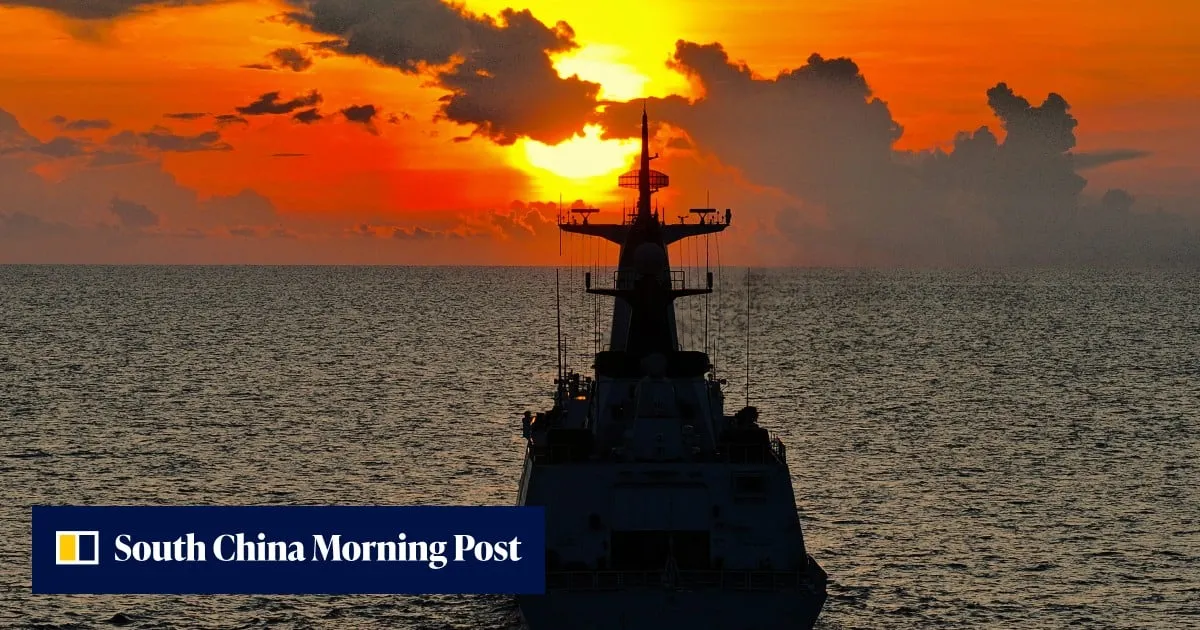
South China Morning PostFIG 01
Reading time
1min
Word count
156words
Sources cited
1cited
Entities identified
6entities
Quality score
100%
§ 01
Briefing Summary
AI-generatedNEWSAR · AI
Wu Shicun, founding president of China's National Institute for South China Sea Studies, has called for Chinese think tanks to recruit artificial intelligence (AI) talent to bolster their efforts in the "public opinion war" concerning the South China Sea. He stated that traditional Chinese humanities and social science research lacks interdisciplinary diversity and that maritime power alone is insufficient to win the narrative battle. Wu emphasized the need for technical and engineering expertise, urging think tanks to employ scientists and algorithm engineers to move beyond theoretical debate and commentary. This call comes as other Chinese think tanks are also exploring AI to monitor global public opinion and enhance China's overseas messaging.
Confidence 0.90Sources 1Claims 5Entities 6
§ 02
Article analysis
Model · rule-basedFraming
Political Strategy
Technology
Tone
Measured
AI-assessed
CalmNeutralAlarmist
Factuality
0.60 / 1.00
Mixed
LowHigh
Sources cited
1
Limited
FewMany
§ 03
Key claims
5 extracted01
Once an adversary frames an incident as 'a big power bullying a smaller neighbour,' a delayed counter-response makes that perception nearly impossible to reverse.
quoteWu Shicun
Confidence
1.00
02
Physical maritime power alone will not offset losing the narrative battle.
quoteWu Shicun
Confidence
1.00
03
Chinese humanities and social science research has traditionally operated in a 'lone-wolf' fashion and lacked interdisciplinary diversity.
quoteWu Shicun
Confidence
1.00
04
A leading South China Sea analyst urged Chinese think tanks to recruit AI talent for the 'public opinion war' over disputed waters.
quoteWu Shicun
Confidence
1.00
05
Several Chinese think tanks are looking to harness AI to monitor global public opinion and amplify China's messaging overseas.
factual
Confidence
0.80
§ 04
Full report
1 min read · 156 words§ 05
Entities
6 identifiedKey playerOppositionContextPositiveNeutralNegative
§ 06
Keywords & salience
9 termspublic opinion war
1.00
south china sea
1.00
ai talent
0.90
artificial intelligence
0.80
narrative battle
0.70
think tanks
0.60
algorithm engineers
0.50
maritime power
0.40
china
0.40
§ 07
Topic connections
Interactive graph Network visualization showing 51 related topics
View Full Graph Person Organization Location Event|Click node to navigate|Edge numbers = shared articles