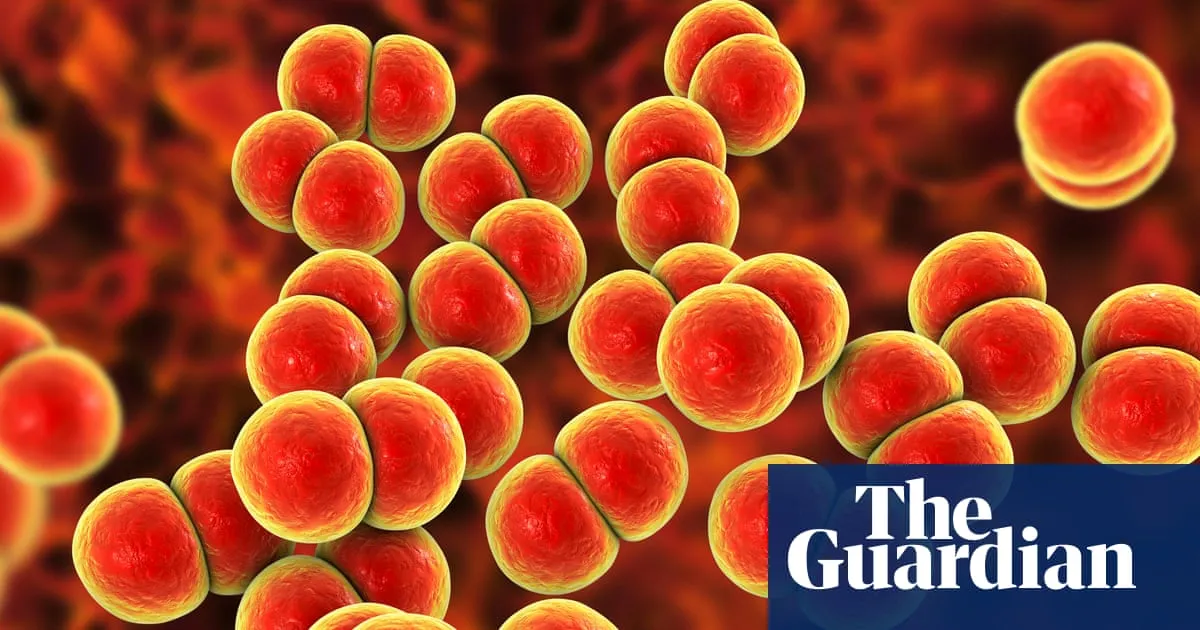
Australia’s Indigenous population is diagnosed with Gonorrhoea at more than four times the rate of non-Indigenous Australians. Image shows CGI Gonorrhoea bacteria. Photograph: Science Photo Library/Alamy View image in fullscreen Australia’s Indigenous population is diagnosed with Gonorrhoea at more than four times the rate of non-Indigenous Australians. Image shows CGI Gonorrhoea bacteria. Photograph: Science Photo Library/Alamy Gonorrhoea and Syphilis rise by more than 50% in Australia with ‘concerning’ rise in cases in women Newly collated data also shows Indigenous Australians experiencing disproportionally high rates of infection Get our breaking news email, free app or daily news podcast Rates of reported Gonorrhoea and infectious Syphilis have increased by more than 50% across Australia over the past decade, with experts warning of concerning rises among women. Newly collated sexual health data from UNSW’s Kirby Institute shows 42,393 Gonorrhoea notifications and 5,986 infectious Syphilis notifications were recorded in 2025. The figures represent 10-year increases of 57% and 56%, respectively. Syphilis and Gonorrhoea are bacterial infections that can cause serious health complications if left untreated. Both are curable when detected early. Men accounted for the majority of cases last year, making up 73% of Gonorrhoea notifications and 78% of infectious Syphilis notifications, with the report suggesting a significant proportion of transmission continues to occur through male-to-male sexual contact among gay and bisexual men. The new data also flagged a “concerning increase in Syphilis among women”. Syphilis notification rates increased by 167% among women, compared with 39% among men. Experts said the figures reflected “an increase in heterosexual transmission”. Dr Skye McGregor, an epidemiologist at the Kirby Institute, said the trend is “an urgent priority” because of the risks posed by Syphilis during pregnancy. “It’s really concerning because the rise among women has contributed to Syphilis in pregnancy, which can cause miscarriage, stillbirth, Syphilis" class="entity-link entity-topic" data-entity-id="204256" data-entity-type="topic">congenital Syphilis and infant deaths. These are really substantial impacts on infants, but also the community as a whole. Across that same 10-year reporting period, there were 113 Syphilis" class="entity-link entity-topic" data-entity-id="204256" data-entity-type="topic">congenital Syphilis cases and, tragically, 40 of those infants died,” McGregor said. Around half of those Syphilis" class="entity-link entity-topic" data-entity-id="204256" data-entity-type="topic">congenital Syphilis cases involved Aboriginal and Torres Strait Islander infants. “A really terrible outcome, which is entirely preventable with early testing and treatment during pregnancy,” McGregor said. Aboriginal and Torres Strait Islander Australians also remain a priority group, experiencing disproportionately high sexually transmitted infection (STI) rates. Compared with non-Indigenous Australians, the Indigenous population is diagnosed with Gonorrhoea at more than four times the rate and Syphilis at more than six times the rate. McGregor said the disparity highlighted the need for sustained investment in culturally safe sexual health services and improved access to timely testing and treatment, particularly in regional and remote areas. “We know how hard it can be to get an appointment in an urban setting with a GP, particularly if you want a preferred provider by gender or cultural background. And that’s even more exacerbated in regional and remote settings,” she said. McGregor said social determinants of health also contributed to the disparity, including income, education, employment, job security and food insecurity. She stressed the importance of culturally safe sexual health testing services and community-led programs supported by the National Aboriginal Community Controlled Health Organisation and governments. “Modelling has predicted that without that enhanced response, actually the rates of Syphilis would have been far higher …this amazing community-driven response has actually ensured that the rates do stay lower than they could have been across that time period,” McGregor said. McGregor said the new data should serve as a public health reminder of the importance of testing and treatment, raising concerns that reduced testing could be an unwanted hangover from the Covid-19 pandemic. “We saw a decrease during that time period, but we really need to make sure everyone’s resuming their pre-Covid screening so that sexual health is just a part of good health overall,” she said. UNSW’s 2019 National Debrief Survey looking into sexual health attitude revealed that almost two-thirds of young people who had five or more casual partners in the past 12 months did not use condoms. But McGregor said reducing STI rates required a holistic approach. “Condoms are still an important prevention approach, and yes, people should be using condoms with new sexual partners … but also, this is about comprehensive prevention,” she said. “Early testing ensures people know their status, they can be treated, prevent onward transmission.” McGregor also stressed the importance of “post-diagnosis care”, retesting and regular engagement with a healthcare provider, as “we do know that one infection then risks a repeat infection”. Explore more on these topics Health Sexual health Indigenous Australians Gonorrhoea Women's health news Share Reuse this content
SRCThe Guardian - World News
LANGEN
LEANCenter-Left
WORDS772
ENT8
MON · 2026-09-14 · 15:00 GMTBRIEF NSR-2026-0914-111206
NSR-2026-0914-111206News Report·EN·Public Health
Gonorrhoea and syphilis rise by more than 50% in Australia with ‘concerning’ rise in cases in women
Rates of gonorrhoea and infectious syphilis have risen by over 50% in Australia in the past decade, with a concerning increase in cases among women. Newly released data from UNSW's Kirby Institute shows a 57% rise in gonorrhoea notifications and a 56% rise in infectious syphilis notifications over ten years.
Achol ArokThe Guardian - World NewsFiled 2026-09-14 · 15:00 GMTLean · Center-LeftRead · 4 min
The Guardian - World NewsFIG 01
Reading time
4min
Word count
772words
Sources cited
1cited
Entities identified
8entities
Quality score
100%
§ 01
Briefing Summary
AI-generatedNEWSAR · AI
Rates of gonorrhoea and infectious syphilis have risen by over 50% in Australia in the past decade, with a concerning increase in cases among women. Newly released data from UNSW's Kirby Institute shows a 57% rise in gonorrhoea notifications and a 56% rise in infectious syphilis notifications over ten years. Syphilis rates among women have increased by 167%, contributing to a rise in syphilis during pregnancy, which can lead to severe infant health issues. Indigenous Australians continue to experience disproportionately high rates of both infections, being diagnosed with gonorrhoea over four times and syphilis over six times more frequently than non-Indigenous Australians. Experts emphasize the need for sustained investment in culturally safe sexual health services and improved access to testing and treatment, particularly in regional and remote areas.
Confidence 0.90Sources 1Claims 5Entities 8
§ 02
Article analysis
Model · rule-basedFraming
Public Health
Social Justice
Tone
Mixed Tone
AI-assessed
CalmNeutralAlarmist
Factuality
0.80 / 1.00
Factual
LowHigh
Sources cited
1
Limited
FewMany
§ 03
Key claims
5 extracted01
Around half of congenital syphilis cases involved Aboriginal and Torres Strait Islander infants.
statisticDr Skye McGregor
Confidence
1.00
02
There were 113 congenital syphilis cases and 40 infant deaths over a 10-year reporting period.
statisticDr Skye McGregor
Confidence
1.00
03
The Indigenous population is diagnosed with gonorrhoea at more than four times the rate and syphilis at more than six times the rate of non-Indigenous Australians.
statistic
Confidence
1.00
04
Syphilis notification rates increased by 167% among women, compared with 39% among men.
statistic
Confidence
1.00
05
Rates of reported gonorrhoea and infectious syphilis have increased by more than 50% across Australia over the past decade.
statistic
Confidence
1.00
§ 04
Full report
4 min read · 772 words§ 05
Entities
8 identifiedKey playerOppositionContextPositiveNeutralNegative
Organizations2
§ 06
Keywords & salience
10 termssyphilis
1.00
gonorrhoea
1.00
sexual health
0.90
australia
0.80
indigenous population
0.80
women
0.70
congenital syphilis
0.60
pregnancy
0.60
transmission
0.50
kirby institute
0.40
§ 07
Topic connections
Interactive graph No topic relationship data available yet. This graph will appear once topic relationships have been computed.