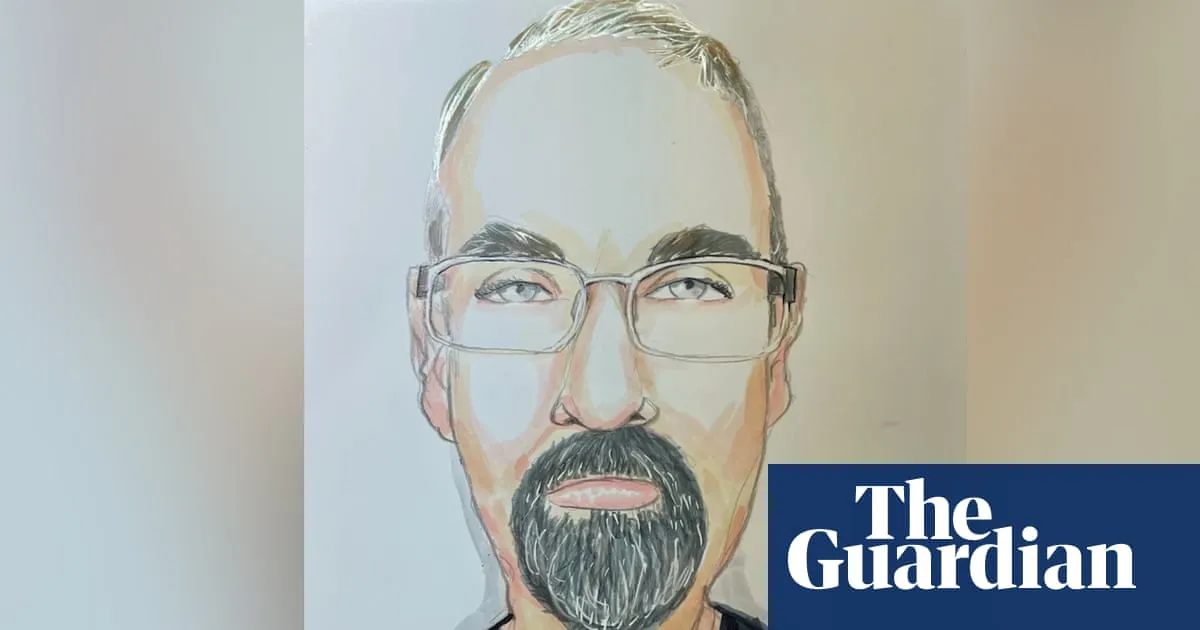
The bodies of eight of the Snowtown victims were found inside a disused bank vault, pictured, in 1999. Photograph: AAP View image in fullscreen The bodies of eight of the Snowtown victims were found inside a disused bank vault, pictured, in 1999. Photograph: AAP Youngest Snowtown murderer to walk free from jail after 26-year sentence as parole upheld James Vlassakis was 18 when he became involved in the Snowtown-killings" class="entity-link entity-event" data-entity-id="204516" data-entity-type="event">Snowtown killings, later pleading guilty to four of the 11 murders Follow our Australia news live blog for latest updates Get our breaking news email, free app or daily news podcast The youngest person jailed over the notorious Snowtown-killings" class="entity-link entity-event" data-entity-id="204516" data-entity-type="event">Snowtown killings will walk free after serving a 26-year sentence behind bars. A decision to release James Vlassakis by South Australia’s Parole Board was upheld by the Parole Administrative Review Commissioner on Tuesday. Vlassakis pleaded guilty to four of the 11 murders between 1992 and 1999. He was 18 when he became involved in the killings in 1998 and was sentenced to life with a minimum term of 26 years, which expired last August. He also acted as a key prosecution witness against John Bunting and Robert Wagner, who were found guilty of 11 and 10 murders respectively. The bodies of eight of their victims were found dismembered in barrels filled with hydrochloric acid inside a disused bank vault in Snowtown, north of Adelaide, in May 1999. View image in fullscreen A court sketch of Snowtown killer James Vlassakis, who has walked free from jail after nearly three decades. Illustration: David Schaefer/AAP Most were murdered in the outer suburbs of Adelaide, more than 100km away – and just one was killed in Snowtown. Investigators initially thought the men’s motive was simply to take the welfare payments of their victims, but a more complicated picture gradually emerged. The court heard Bunting was the ringleader, and that he hated various groups including homosexuals, drug addicts and paedophiles. The murders were “often ritualistic and humiliating” and targeted people connected to the men. In considering the review in May, the commissioner had revoked the 25-year-old suppression order that banned publication of Vlassakis’ image and description. Last December Vlassakis – who is now in his mid-40s – had his parole approval overturned after the state government successfully fought a decision to grant his freedom, with a retired judge describing his crimes as “gross” and “disgustingly unusual”. The Parole Board chief, Frances Nelson, had previously said Vlassakis did not represent a risk to the community and would be sent to the Adelaide pre-release centre for up to 12 months to undergo a resocialisation process. Accomplice Mark Ray Haydon, 66, who was convicted for helping to cover up the crimes, was released on parole in May 2024 to live in the community under strict supervision. There were 12 victims in the case, but a murder charge over one of the deaths was dropped due to a lack of evidence. Eight of the 11 killed were found in those barrels. The murders received additional notoriety across the globe with the release of 2011 feature film Snowtown, which was marketed at the time as “Australia’s most infamous crime story”. The South Australian attorney general and deputy premier, Kyam Maher, said the case was “traumatic” for the people involved. “The people that were held by the court most responsible have been given a non-life sentence without the possibility of parole,” he said. “There are others who have been released or applied for parole, James Vlassakis, who gave evidence against his co-accused, applied for parole, and it was granted by the Parole Board.” Maher said the Parole Board would soon meet to consider appropriate conditions for release, which could include electronic monitoring, no drugs or alcohol and location limits. “It is a very difficult thing for those who are still around to remember what happened so well,” he said. “The gravity and the effect this has had in South Australia, the need for community safety, were always the primary concerns of the state government. “I will ask for advice if there are further steps but it has already been considered by two different parole review commissioned and the supreme court.” Explore more on these topics Australia news Crime - Australia South Australia news Share Reuse this content
SRCThe Guardian - World News
LANGEN
LEANCenter-Left
WORDS712
ENT10
TUE · 2026-09-15 · 03:57 GMTBRIEF NSR-2026-0915-111352
NSR-2026-0915-111352News Report·EN·Human Interest
Youngest Snowtown murderer to walk free from jail after 26-year sentence as parole upheld
James Vlassakis, the youngest person jailed for the Snowtown murders, will be released from prison after serving a 26-year sentence. South Australia's Parole Board approved his release, a decision upheld by the Parole Administrative Review Commissioner.
Caitlin Cassidy and Australian Associated PressThe Guardian - World NewsFiled 2026-09-15 · 03:57 GMTLean · Center-LeftRead · 3 min
The Guardian - World NewsFIG 01
Reading time
3min
Word count
712words
Sources cited
2cited
Entities identified
10entities
Quality score
100%
§ 01
Briefing Summary
AI-generatedNEWSAR · AI
James Vlassakis, the youngest person jailed for the Snowtown murders, will be released from prison after serving a 26-year sentence. South Australia's Parole Board approved his release, a decision upheld by the Parole Administrative Review Commissioner. Vlassakis, who was 18 when he became involved in the killings between 1992 and 1999, pleaded guilty to four of the 11 murders. He also served as a key prosecution witness against co-accused John Bunting and Robert Wagner. The notorious crimes involved the discovery of eight dismembered victims in barrels inside a disused bank vault in Snowtown in 1999. Vlassakis's parole approval was previously overturned last December but has now been confirmed.
Confidence 0.90Sources 2Claims 5Entities 10
§ 02
Article analysis
Model · rule-basedFraming
Human Interest
Legal & Judicial
Tone
Mixed Tone
AI-assessed
CalmNeutralAlarmist
Factuality
0.80 / 1.00
Factual
LowHigh
Sources cited
2
Limited
FewMany
§ 03
Key claims
5 extracted01
A retired judge described Vlassakis' crimes as 'gross' and 'disgustingly unusual' when his parole was initially overturned.
quoteretired judge
Confidence
1.00
02
John Bunting was the ringleader of the murders and targeted victims based on his hatred of groups like homosexuals and drug addicts.
factual
Confidence
1.00
03
The bodies of eight Snowtown victims were found dismembered in barrels filled with hydrochloric acid inside a disused bank vault in 1999.
factual
Confidence
1.00
04
Vlassakis pleaded guilty to four of the 11 murders committed between 1992 and 1999.
factual
Confidence
1.00
05
James Vlassakis, the youngest person jailed for the Snowtown killings, will be released from prison after serving a 26-year sentence.
factual
Confidence
1.00
§ 04
Full report
3 min read · 712 words§ 05
Entities
10 identifiedKey playerOppositionContextPositiveNeutralNegative
People4
Organizations2
§ 06
Keywords & salience
8 termssnowtown murders
1.00
james vlassakis
0.90
parole
0.80
murderer
0.70
bank vault
0.60
south australia parole board
0.50
prosecution witness
0.40
ritualistic murders
0.40
§ 07
Topic connections
Interactive graph No topic relationship data available yet. This graph will appear once topic relationships have been computed.