One of Sydney’s largest councils has joined the City of Brisbane and the City of Yarra to issue a ban on AI smart glasses at public pools as concerns mount over the potential for predators to exploit the new technology.On Tuesday evening, Canterbury-Bankstown voted overwhelmingly in favour of banning the tech at its local pools, with its mayor, Bilal El-Hayek, describing them as “pervert glasses”.Since their release, there have been reports of women being filmed without their consent and their interactions with a glasses-wearing influencer posted on social media.“Chat groups, Facebook, local community forums and Tik Tok are just some of the online platforms where women are venting their concerns over the smart technology that threatens both safety and privacy,” El-Hayek told councillors at the meeting.“Their biggest concerns are around ‘perverts and paedophiles’ secretly filming in change rooms, swimming pools and around schools.“The latest AI smart glasses are wearable devices with high resolution cameras … and AI powered features like real time translation, object recognition and open-ear audio … these glasses can not only film, record and share footage, they can also scan your face and potentially access and retrieve information about you.”Last month, Brisbane became the first council in Australia to publicly announce a ban on covert filming at its 21 public pools amid growing fears to protect child safety.The head of policy at Digital Rights Watch, Tom Sulston, praised the decision. He said it was “vital that councils across Australia ensure that public spaces like swimming pools are safe for families to enjoy without the threat of unwanted video surveillance”.“We all need to be able to go out in public without fear of being covertly recorded and having the images uploaded to the internet without our consent,” he said. “We look forward to seeing not just councils following Brisbane’s lead, but also state and federal governments.”Yarra in inner Melbourne followed suit, voting last week to ban smart glasses from its leisure and aquatic facilities, childcare centres and playgrounds. It also confirmed it would call on the federal government to bring in stronger privacy laws to protect people from new technologies.Randwick council in Sydney’s eastern suburbs has also banned the new technology at the Des Renford leisure centre. In a statement to Guardian Australia, it said “growing community concerns” about their potential misuse were behind the decision.“Signage has been installed at the entrance and anyone wearing smart glasses in the centre will be asked to remove them or leave,” it said. “This precautionary measure will help ensure the centre remains a safe, welcoming and family-friendly place for all visitors.”The bans will not apply to people with accessibility concerns, including vision impairment.The federal attorney general, Michelle Rowland, has not ruled out banning the glasses but has indicated how complex the laws are governing the new technology.In August, she wrote to the privacy commissioner, Carly Kind, raising concerns she’d received from the community about their growing uptake and requesting it be given priority consideration.“Privacy is an essential part of all our lives; it allows us to be who we are with dignity and without fear,” she said at the time.“Unlike other forms of technology, smart glasses may be used more discreetly, making it harder to know when you are being recorded.“The government is continuing to work on the next phase of privacy reforms to ensure our privacy laws are fit for purpose in the digital age.”Australia’s online safety regulator has urged smartglasses companies to automatically blur people’s faces filmed on the devices, and make it clearer when someone is filming.In advice to industry published at the end of August, the office of the eSafety commissioner warned that while smartglasses with cameras, such as Meta’s Ray-Ban, can offer accessibility benefits to low vision or blind people, companies might pit “accessibility benefits against safety and privacy considerations”, and noted there was already a backlash to the technology.
SRCThe Guardian - World News
LANGEN
LEANCenter-Left
WORDS644
ENT10
TUE · 2026-09-15 · 09:38 GMTBRIEF NSR-2026-0915-111393
NSR-2026-0915-111393News Report·EN·Technology
One of Sydney’s largest councils joins ban on ‘pervert’ glasses at local swimming pools
Canterbury-Bankstown Council, one of Sydney's largest, has banned AI smart glasses at its local swimming pools. This decision, made Tuesday evening, follows similar bans by Brisbane and Yarra councils.
Caitlin CassidyThe Guardian - World NewsFiled 2026-09-15 · 09:38 GMTLean · Center-LeftRead · 3 min
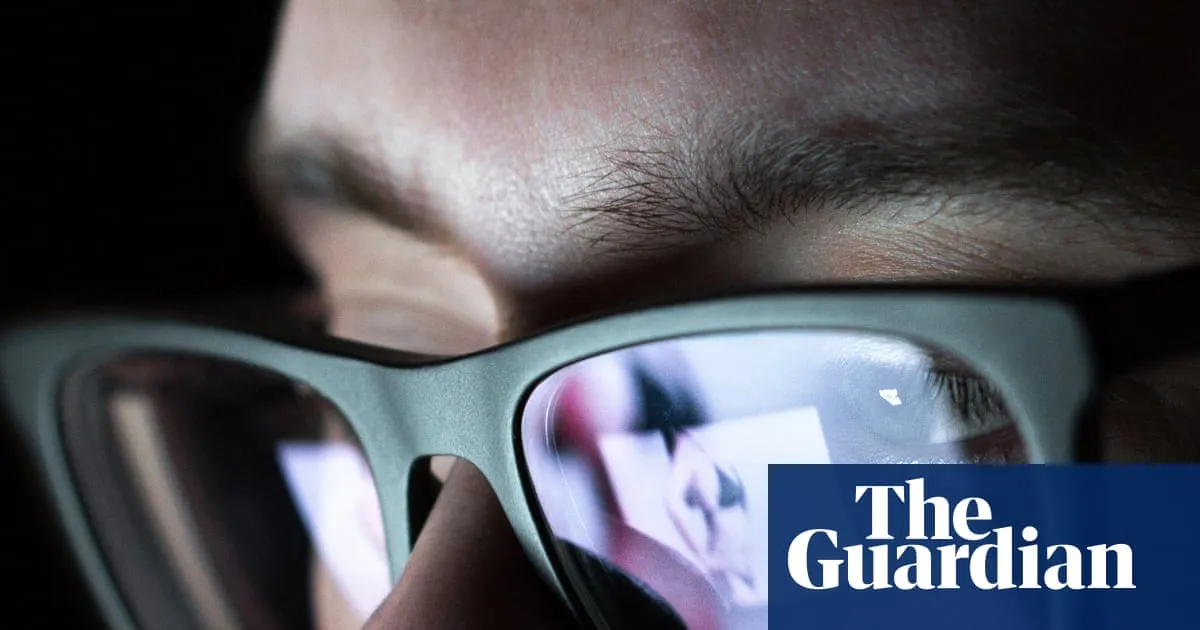
The Guardian - World NewsFIG 01
Reading time
3min
Word count
644words
Sources cited
3cited
Entities identified
10entities
Quality score
100%
§ 01
Briefing Summary
AI-generatedNEWSAR · AI
Canterbury-Bankstown Council, one of Sydney's largest, has banned AI smart glasses at its local swimming pools. This decision, made Tuesday evening, follows similar bans by Brisbane and Yarra councils. The move is driven by community concerns that predators could exploit the technology for secret filming in public spaces like change rooms and pools. Mayor Bilal El-Hayek referred to the glasses as "pervert glasses" due to fears of filming without consent. Digital Rights Watch supports these bans, emphasizing the need for safe public spaces. Randwick Council has also implemented a ban at the Des Renford leisure centre. These bans generally exclude individuals with accessibility needs. The federal attorney general is considering the issue, acknowledging the complexity of regulating the technology.
Confidence 0.90Sources 3Claims 5Entities 10
§ 02
Article analysis
Model · rule-basedFraming
Technology
Social Justice
Tone
Mixed Tone
AI-assessed
CalmNeutralAlarmist
Factuality
0.70 / 1.00
Factual
LowHigh
Sources cited
3
Well sourced
FewMany
§ 03
Key claims
5 extracted01
Digital Rights Watch believes it is vital that councils ensure public spaces are safe from unwanted video surveillance.
quoteTom Sulston
Confidence
1.00
02
Brisbane was the first council in Australia to announce a ban on covert filming at its public pools.
factualArticle
Confidence
1.00
03
Concerns exist about the potential for predators to exploit AI smart glasses technology.
factualArticle
Confidence
1.00
04
AI smart glasses are wearable devices with high resolution cameras and AI powered features.
factualBilal El-Hayek
Confidence
1.00
05
Canterbury-Bankstown Council voted to ban AI smart glasses at its local pools.
factualCanterbury-Bankstown Council
Confidence
1.00
§ 04
Full report
3 min read · 644 words§ 05
Entities
10 identifiedKey playerOppositionContextPositiveNeutralNegative
Organizations3
Locations4
§ 06
Keywords & salience
9 termsprivacy concerns
1.00
ai smart glasses
1.00
covert filming
0.90
public pools
0.80
council bans
0.70
child safety
0.60
wearable technology
0.50
sydney
0.40
digital rights watch
0.40
§ 07
Topic connections
Interactive graph No topic relationship data available yet. This graph will appear once topic relationships have been computed.