Fiji has declared a national HIV emergency amid a spike in infections as the Pacific nation grapples with a correlating rise in methamphetamine use.The country’s health and medical services minister, Dr Ratu Atonio Lalabalavu, said in a statement on social media that an outbreak-level response was no longer sufficient to address what he described an “epidemic”.“Today I am formally declaring a national health emergency in Fiji,” he said. “This decision recognises the seriousness of the epidemic and the urgent coordinated response our country now needs.”The health minister said the government estimates that one in every 60 adults in Fiji is now living with HIV.“Five years ago, the estimate was one in 167. In 2025, we recorded 2,060 new HIV diagnoses,” he said, adding that one in 50 pregnant women has HIV.The emergency declaration followed on from a cabinet decision on 9 September and would require a coordinated response, he added.Home to less than one million people, the Pacific nation is facing one of the sharpest increases in new HIV infections globally, according to UNAIDS, which said that new infections spiked 12-fold between 2010 and 2025.Inside the world’s fastest-growing HIV epidemic – videoFiji’s location as a drug-running hub coupled with the escalating use of methamphetamine locally has fuelled the rapid spread of HIV, a situation worsened by unsafe injecting and a lack of access to clean needles. Low health awareness, cultural stigma and inadequate testing and treatment have exacerbated the crisis.Among HIV cases in Fiji with a known mode of transmission, over half were linked to sexual transmission and more than 42% to injecting drug use, according to UNAIDS.Of an estimated 9,100 people living with HIV in Fiji in 2025, only 39% were aware of their HIV status and only 22% were accessing antiretroviral treatment, the UN said.Responding to the emergency declaration, UNAIDS executive director Winnie Byanyima said in a statement on Wednesday that the situation was a “a stark reminder to the world that AIDS is not over”.“HIV epidemics can change quickly, and countries need health and community systems that are ready to respond urgently,” said Byanyima. “Fiji has recognised the urgency of the moment and is stepping up its response.”The UN agency said it welcomed plans to introduce a needle and syringe programme, with legislative amendments expected to go before parliament, as well as efforts to expand prevention, testing and access to treatment.
SRCThe Guardian - World News
LANGEN
LEANCenter-Left
WORDS394
ENT10
THU · 2026-09-17 · 01:43 GMTBRIEF NSR-2026-0917-111891
NSR-2026-0917-111891News Report·EN·Public Health
Fiji declares national HIV emergency as Pacific nation grapples with surge in cases
Fiji has declared a national HIV emergency due to a significant surge in cases, with the government estimating one in 60 adults now live with HIV, a sharp increase from five years ago. This escalation is linked to the rising use of methamphetamine and unsafe injecting practices, contributing to one of the fastest-growing HIV epidemics globally.
Kate LambThe Guardian - World NewsFiled 2026-09-17 · 01:43 GMTLean · Center-LeftRead · 2 min
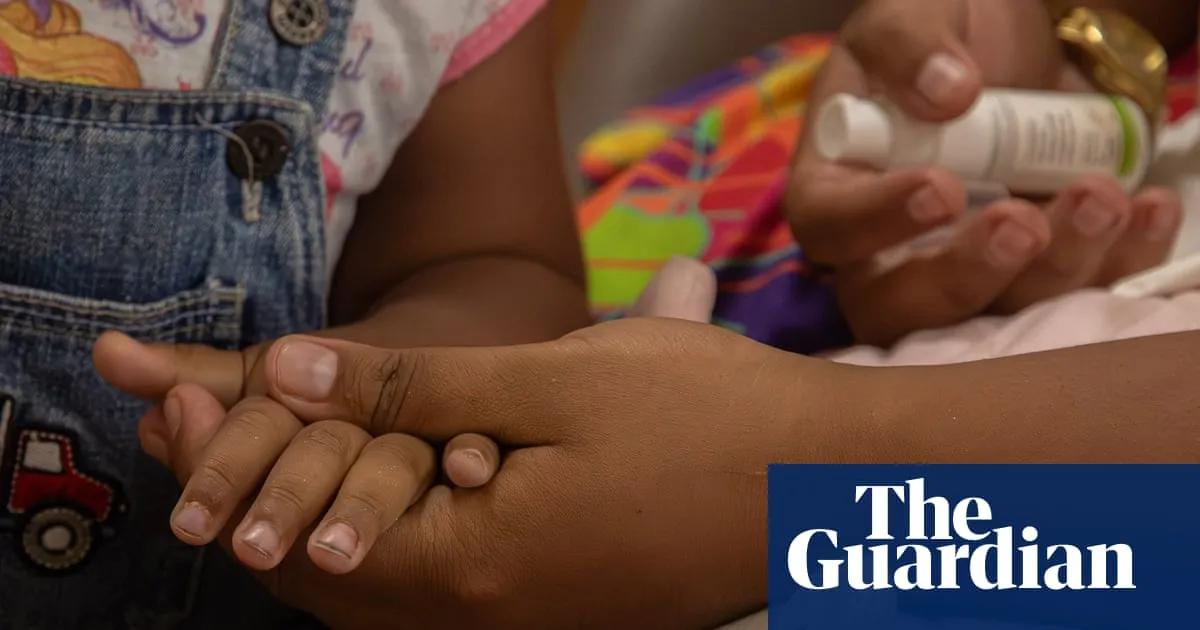
The Guardian - World NewsFIG 01
Reading time
2min
Word count
394words
Sources cited
3cited
Entities identified
10entities
Quality score
100%
§ 01
Briefing Summary
AI-generatedNEWSAR · AI
Fiji has declared a national HIV emergency due to a significant surge in cases, with the government estimating one in 60 adults now live with HIV, a sharp increase from five years ago. This escalation is linked to the rising use of methamphetamine and unsafe injecting practices, contributing to one of the fastest-growing HIV epidemics globally. The health minister stated that an outbreak-level response was insufficient for this "epidemic." UNAIDS reports that new infections have increased twelve-fold between 2010 and 2025, with over half of known transmissions linked to sexual contact and more than 42% to injecting drug use. The declaration aims to coordinate a urgent national response to address low awareness, stigma, and inadequate testing and treatment.
Confidence 0.90Sources 3Claims 5Entities 10
§ 02
Article analysis
Model · rule-basedFraming
Public Health
Social Justice
Tone
Mixed Tone
AI-assessed
CalmNeutralAlarmist
Factuality
0.80 / 1.00
Factual
LowHigh
Sources cited
3
Well sourced
FewMany
§ 03
Key claims
5 extracted01
Of an estimated 9,100 people living with HIV in Fiji in 2025, only 39% were aware of their status and only 22% were accessing treatment.
statisticUNAIDS
Confidence
1.00
02
Among HIV cases with a known mode of transmission in Fiji, over half were linked to sexual transmission and more than 42% to injecting drug use.
statisticUNAIDS
Confidence
1.00
03
New HIV infections in Fiji spiked 12-fold between 2010 and 2025.
statisticUNAIDS
Confidence
1.00
04
The government estimates that one in every 60 adults in Fiji is now living with HIV, a significant increase from one in 167 five years ago.
statisticFiji's health and medical services minister, Dr Ratu Atonio Lalabalavu
Confidence
1.00
05
Fiji has declared a national HIV emergency due to a spike in infections and a correlating rise in methamphetamine use.
factualFiji's health and medical services minister, Dr Ratu Atonio Lalabalavu
Confidence
1.00
§ 04
Full report
2 min read · 394 words§ 05
Entities
10 identifiedKey playerOppositionContextPositiveNeutralNegative
Organizations1
§ 06
Keywords & salience
10 termsfiji
1.00
hiv emergency
1.00
hiv infections
0.90
methamphetamine use
0.80
public health crisis
0.70
injecting drug use
0.60
needle and syringe programme
0.50
antiretroviral treatment
0.50
health awareness
0.40
unaids
0.40
§ 07
Topic connections
Interactive graph No topic relationship data available yet. This graph will appear once topic relationships have been computed.