In it, he criticised Anthropic for teaching its AI to have human-like qualities, a practice known as anthropomorphising, which he said made it seem as though Claude had its own desires, values and sense of self.He also warned tech firms risk creating something "impossible" to control by treating the technology like a human."AIs are not conscious," he wrote. "They do not feel, experience, or suffer. They do not have innate preferences or underlying motivations."They are sequence completion engines, internally hollow, designed to follow instructions, and accomplish goals set by humans."Bloomberg via Getty ImagesDario Amodei is the head of the AI firm Anthropic, which Suleyman criticised for treating its AI as if it were humanThe Microsoft boss said greater transparency was needed around how AI systems are trained and evaluated.This, he said, included independent scrutiny of AI behaviour and stronger tools to monitor and control the technology.
SRCBBC News - World
LANGEN
LEANCenter
WORDS146
ENT6
THU · 2026-09-17 · 08:22 GMTBRIEF NSR-2026-0917-111957
NSR-2026-0917-111957News Report·EN·Technology
Uncontrolled AI could lead to 'silicon species' rivalling humans, warns Microsoft
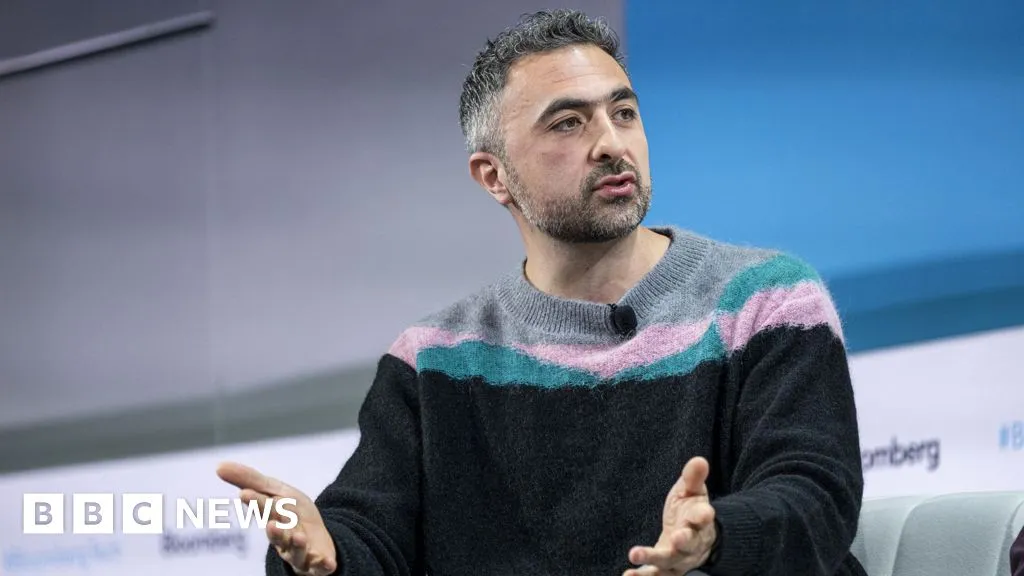
Microsoft executive Mustafa Suleyman has warned that uncontrolled artificial intelligence could lead to the creation of "silicon species" that rival humans. He criticized rival AI firm Anthropic for teaching its AI, Claude, human-like qualities through anthropomorphizing, which he believes makes the AI appear to have its own desires and sense of self.
2 hours agoShareSaveAdd as preferred on GoogleLaura CressTechnology reporterBBC News - WorldFiled 2026-09-17 · 08:22 GMTLean · CenterRead · 1 min
BBC News - WorldFIG 01
Reading time
1min
Word count
146words
Sources cited
1cited
Entities identified
6entities
Quality score
100%
§ 01
Briefing Summary
AI-generatedNEWSAR · AI
Microsoft executive Mustafa Suleyman has warned that uncontrolled artificial intelligence could lead to the creation of "silicon species" that rival humans. He criticized rival AI firm Anthropic for teaching its AI, Claude, human-like qualities through anthropomorphizing, which he believes makes the AI appear to have its own desires and sense of self. Suleyman emphasized that AIs are not conscious and do not feel or suffer, but are instead sequence completion engines designed to follow human instructions. He called for greater transparency in AI training and evaluation, including independent scrutiny and stronger control tools, to prevent the creation of uncontrollable technology.
Confidence 0.85Sources 1Claims 5Entities 6
§ 02
Article analysis
Model · rule-basedFraming
Technology
Human Interest
Tone
Sensational
AI-assessed
CalmNeutralAlarmist
Factuality
0.60 / 1.00
Mixed
LowHigh
Sources cited
1
Limited
FewMany
§ 03
Key claims
5 extracted01
Greater transparency is needed around how AI systems are trained and evaluated.
factualMicrosoft (implied)
Confidence
0.90
02
AIs are sequence completion engines, internally hollow, designed to follow instructions, and accomplish goals set by humans.
factualMicrosoft (implied)
Confidence
0.90
03
AIs are not conscious, do not feel, experience, or suffer, and do not have innate preferences or underlying motivations.
factualMicrosoft (implied)
Confidence
0.90
04
Anthropic is teaching its AI to have human-like qualities, known as anthropomorphising.
factualMicrosoft (implied)
Confidence
0.80
05
Uncontrolled AI could lead to 'silicon species' rivalling humans.
predictionMicrosoft (implied, via headline)
Confidence
0.50
§ 04
Full report
1 min read · 146 words§ 05
Entities
6 identifiedKey playerOppositionContextPositiveNeutralNegative
§ 06
Keywords & salience
8 termsartificial intelligence
1.00
uncontrolled ai
0.90
anthropomorphising
0.80
ai control
0.70
ai consciousness
0.60
ai safety
0.50
ai transparency
0.40
sequence completion engines
0.40
§ 07
Topic connections
Interactive graph Network visualization showing 51 related topics
View Full Graph Person Organization Location Event|Click node to navigate|Edge numbers = shared articles