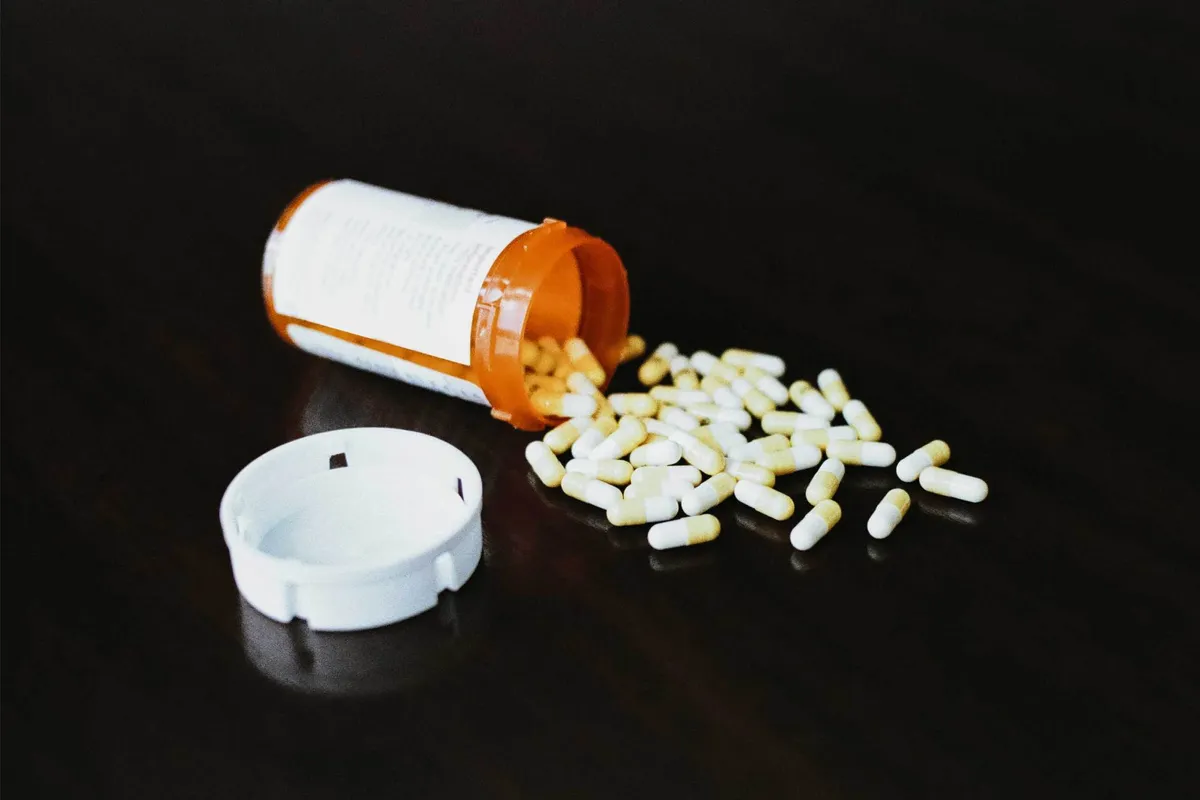
Landmark legislation designed to alert consumers to where their drugs were made is headed for a full Senate vote, but safety experts say the transparency bill has been stripped of two of its most critical provisions. The Clear Labels Act was introduced earlier this year by Sens. Rick Scott, R-Fla., and Kirsten Gillibrand, D-N.Y., after lawmakers and drug safety experts called for more transparency in the industry. Last year, a ProPublica investigation revealed that the U.S. kept importing generic drugs from foreign factories after inspectors had identified quality and safety lapses at the sites, including leaks, mold and contaminated water. Medications made at these facilities were linked to thousands of reported adverse reactions in patients. The bill aims to allow doctors and patients to see on the label exactly where a medication was made — details that had largely been withheld until now, even from Congress. Current generic drug labels often include only the location of the packager or distributor, which can be thousands of miles away from the actual manufacturer. One provision made the law particularly strong, experts said: The label was supposed to include a unique code that the Food and Drug Administration uses to identify factories. That code would have made it easier for researchers and the public to track the regulatory histories of specific facilities. The requirements also were supposed to take effect as early as a year after the bill’s passage. Senators have now struck both of those provisions. People familiar with the deliberations said lawmakers worried the requirements would raise drug prices and weaken national security by revealing the precise locations where lifesaving medications are made. The unique identifier requirement has been removed from the bill, and the timeline for companies to come into compliance was extended to five years. “It’s just a clear watering down of the original bill,” said retired Army Col. Vic Suarez, a former medical supply-chain commander who has been leading a push for more domestic pharmaceutical manufacturing. He and others also questioned why drug companies need multiple years to comply. “Five years after it passes might as well be a lifetime,” said Dr. Kevin Schulman, a professor of medicine and health policy at Stanford University who has researched the economic pressures that lead to poor-quality generic drugs. “Why is it that the supply chain, the medical distributors and the retailers don’t want to make sure that they supply the highest-quality product?” In a joint press release, Scott and Gillibrand praised the bill’s progress in the Senate, calling it a “massive win for consumer safety and transparency,” but did not address the changes. A representative from Gillibrand’s office said the five-year delay is meant to give the FDA time for rulemaking, which is a complicated, often yearslong process used to introduce new regulations. The delay would also give manufacturers time to come into compliance and redesign their labels, the representative said. But Peter Baker, a former FDA inspector whose work involved the very companies impacted by the bill, said that amount of time is unnecessary. “If they wanted to do it in one year, they could,” Baker said. “I would love to hear their justification on why they need five years to develop some rules and guidance on transparency. … I mean, it’s a simple label change.” The new version of the legislation also removes the key requirement to include a unique facility identification number on labels, called a DUNS number, which would have allowed the public to more easily trace a generic drug and its active ingredients to the factories where they were made. In some cases, that identifier could also be used to find FDA inspection reports that describe contamination and other safety breakdowns on factory floors.
SRCProPublica
LANGEN
LEANCenter-Left
WORDS619
ENT12
FRI · 2026-09-18 · 10:00 GMTBRIEF NSR-2026-0918-112280
NSR-2026-0918-112280News Report·EN·Public Health
“A Clear Watering Down”: Drug Transparency Bill Stripped of Critical Provisions Ahead of Senate Vote
The Clear Labels Act, intended to increase transparency about where generic drugs are manufactured, is heading for a Senate vote but has been significantly weakened. Originally aiming to include unique factory identification codes and a one-year compliance timeline, the bill now omits the unique code and extends compliance to five years.
Naisha RoyProPublicaFiled 2026-09-18 · 10:00 GMTLean · Center-LeftRead · 3 min
ProPublicaFIG 01
Reading time
3min
Word count
619words
Sources cited
3cited
Entities identified
12entities
Quality score
100%
§ 01
Briefing Summary
AI-generatedNEWSAR · AI
The Clear Labels Act, intended to increase transparency about where generic drugs are manufactured, is heading for a Senate vote but has been significantly weakened. Originally aiming to include unique factory identification codes and a one-year compliance timeline, the bill now omits the unique code and extends compliance to five years. Lawmakers reportedly made these changes due to concerns about raising drug prices and national security. Experts criticize these alterations, arguing they dilute the bill's effectiveness and that the extended timeline is unnecessary. While sponsors praise the bill's progress, critics contend the removal of key provisions will hinder consumers and researchers from tracking drug origins and their regulatory histories.
Confidence 0.90Sources 3Claims 5Entities 12
§ 02
Article analysis
Model · rule-basedFraming
Public Health
Economic Impact
Tone
Mixed Tone
AI-assessed
CalmNeutralAlarmist
Factuality
0.70 / 1.00
Factual
LowHigh
Sources cited
3
Well sourced
FewMany
§ 03
Key claims
5 extracted01
Experts state the removal of a unique FDA factory code and extended compliance timeline is a 'clear watering down' of the bill.
quoteVic Suarez, Kevin Schulman
Confidence
1.00
02
The bill aimed to allow consumers to see the exact location of medication manufacturing on labels.
factual
Confidence
1.00
03
A drug transparency bill, the Clear Labels Act, has been stripped of critical provisions before a Senate vote.
factual
Confidence
1.00
04
Previous investigations linked medications from foreign factories with quality lapses to thousands of adverse reactions.
factual
Confidence
0.90
05
Lawmakers worried the original requirements would raise drug prices and weaken national security.
factualPeople familiar with the deliberations
Confidence
0.80
§ 04
Full report
3 min read · 619 words§ 05
Entities
12 identifiedKey playerOppositionContextPositiveNeutralNegative
People4
Organizations3
Locations1
§ 06
Keywords & salience
10 termsdrug transparency
1.00
clear labels act
0.90
drug safety
0.80
pharmaceutical manufacturing
0.70
supply chain
0.60
foreign factories
0.50
fda
0.50
drug prices
0.40
national security
0.40
adverse reactions
0.40
§ 07
Topic connections
Interactive graph No topic relationship data available yet. This graph will appear once topic relationships have been computed.