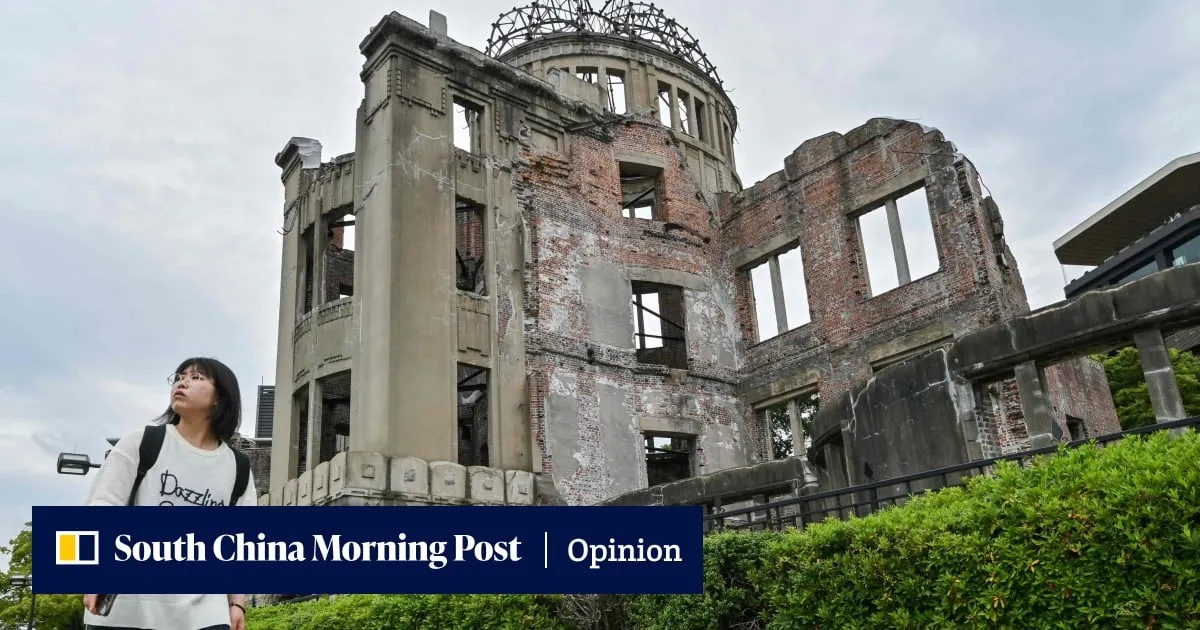
The catastrophic danger posed to cities by nuclear weapons is nothing new. Putting major urban areas at risk across generations is, in fact, the point of these weapons of terror. The practice of doing so is benignly called nuclear deterrence, but it requires holding the cities of adversaries – real and imagined – under constant threat.The use of even the smallest nuclear weapons in today’s arsenals would cause a humanitarian emergency in cities. That is why city leadership should have a voice in nuclear policymaking.Attacking cities or other densely populated areas has always been part of warfare. Whether it’s medieval sieges to unseat ruling powers or drone attacks on Kyiv, cities are not safe from war. Efforts to restrict or limit civilian suffering in cities and populated areas have included the endorsement by 91 countries of a political declaration on explosive weapons in populated areas.Through this, nations are looking for ways to reduce and prevent the known reverberating effects of explosive ordnance contamination in urban areas, effects which are compounded and made long-lasting by the destruction of cultural, educational, commercial, infrastructure and healthcare facilities. nuclear weapons are highly explosive weapons which also leave a lasting radioactive legacy.No country is prepared to respond to the use of nuclear weapons. A 2014 report from the United Nations Institute for Disarmament Research showed that there are unique problems associated with nuclear weapon use, including radiation and radioactive fallout, large numbers of injured people with multiple trauma, serious burn injuries and radiation-related illness. They also found “there are inadequate specific procedures and systems appropriate to nuclear weapon detonation events as these differ from civil nuclear accidents in significant ways”.A recent study from the People’s Liberation Army Rocket Force Characteristic Medical Centre, which was published in the Chinese Journal of Radiological Health, was a stark reminder that while low, the probability of a nuclear attack on cities is not zero. Any such attack would overwhelm emergency services.
SRCSouth China Morning Post
LANGEN
LEANCenter-Right
WORDS322
ENT10
FRI · 2026-09-18 · 12:30 GMTBRIEF NSR-2026-0918-112310
NSR-2026-0918-112310Opinion·EN·Human Rights
Ending the nuclear arms race starts with cities doing their part
Cities are inherently vulnerable to the catastrophic dangers of nuclear weapons, which are designed to hold urban areas under constant threat as a form of "nuclear deterrence." Even the smallest modern nuclear weapons would trigger a humanitarian emergency in cities, highlighting the need for city leadership to have a voice in nuclear policymaking. While nations are working to limit civilian suffering from explosive weapons in populated areas, no country is adequately prepared to respond to a nuclear attack.
Susi SnyderSouth China Morning PostFiled 2026-09-18 · 12:30 GMTLean · Center-RightRead · 2 min
South China Morning PostFIG 01
Reading time
2min
Word count
322words
Sources cited
2cited
Entities identified
10entities
Quality score
100%
§ 01
Briefing Summary
AI-generatedNEWSAR · AI
Cities are inherently vulnerable to the catastrophic dangers of nuclear weapons, which are designed to hold urban areas under constant threat as a form of "nuclear deterrence." Even the smallest modern nuclear weapons would trigger a humanitarian emergency in cities, highlighting the need for city leadership to have a voice in nuclear policymaking. While nations are working to limit civilian suffering from explosive weapons in populated areas, no country is adequately prepared to respond to a nuclear attack. Studies indicate that while the probability of a nuclear attack on cities is low, it is not zero, and such an event would overwhelm emergency services due to unique challenges like radiation and mass casualties.
Confidence 0.90Sources 2Claims 5Entities 10
§ 02
Article analysis
Model · rule-basedFraming
Human Rights
Public Health
Tone
Mixed Tone
AI-assessed
CalmNeutralAlarmist
Factuality
0.40 / 1.00
Mixed
LowHigh
Sources cited
2
Limited
FewMany
§ 03
Key claims
5 extracted01
91 countries have endorsed a political declaration on explosive weapons in populated areas.
statistic
Confidence
1.00
02
City leadership should have a voice in nuclear policymaking.
factual
Confidence
0.90
03
The use of even the smallest nuclear weapons would cause a humanitarian emergency in cities.
factual
Confidence
0.90
04
No country is prepared to respond to the use of nuclear weapons.
factual
Confidence
0.80
05
The probability of a nuclear attack on cities is not zero.
factualPeople’s Liberation Army Rocket Force Characteristic Medical Centre study
Confidence
0.70
§ 04
Full report
2 min read · 322 words§ 05
Entities
10 identifiedKey playerOppositionContextPositiveNeutralNegative
Organizations3
Locations1
§ 06
Keywords & salience
10 termscities
1.00
nuclear weapons
1.00
nuclear arms race
1.00
nuclear deterrence
0.90
humanitarian emergency
0.80
nuclear policymaking
0.70
explosive weapons
0.60
populated areas
0.50
radioactive fallout
0.50
emergency services
0.40
§ 07
Topic connections
Interactive graph Network visualization showing 15 related topics
View Full Graph Person Organization Location Event|Click node to navigate|Edge numbers = shared articles