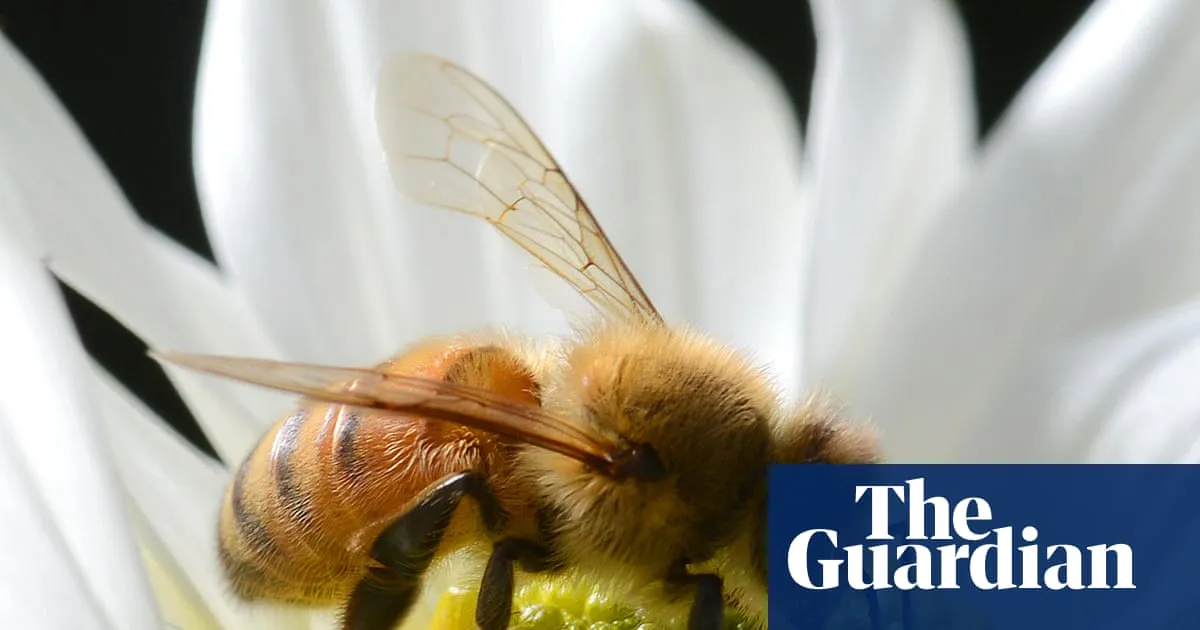
Far North Queensland apiarist Tom Bidner said 44 Bee colonies had been stolen from three different beekeepers, the biggest theft in memory. Photograph: Dave Hunt/AAP View image in fullscreen Far North Queensland apiarist Tom Bidner said 44 Bee colonies had been stolen from three different beekeepers, the biggest theft in memory. Photograph: Dave Hunt/AAP More than 800,000 bees stolen across Far North Queensland in ‘sophisticated’ operation Apiarists will lose not just the insects but the value of Pollination contracts, which can be worth thousands of dollars Follow our Australia news live blog for latest updates Get our breaking news email, free app or daily news podcast An estimated 800,000 bees, worth tens of thousands of dollars, have been stolen from properties in Far North Queensland. The industry is already reeling from the this month’s arrival of the Varroa mite parasite. Tom Bidner, an apiarist from the Atherton Tablelands, west of Cairns, said 44 colonies had been stolen from three different beekeepers. “This isn’t over yet,” he said. “We’ve got so many colonies to get through. We’re still getting around and checking all our different sites.” He estimated that each hive contained at least 20,000 bees, making it a total of more than 800,000. The alleged thefts happened on multiple different properties in different areas and required a sophisticated operation and specialist equipment. Rather than risking early detection by stealing an entire box, they took out what’s known as the brood box. That means the hive appears unchanged from afar. “They’re rocking up with a truckload of gear, basically, and they’re transferring our frames into their boxes … and putting our hives back together, so it doesn’t sort of alert any of the growers that it looks like someone’s been in and done such a thing,” Bidner said. The thieves also didn’t take any honey, which was left on the hive. He suspects that the culprits are probably people from within the industry. The apiarists will lose not just the stolen insects but the value of the Pollination contracts, which can run into the thousands of dollars, he said. The grower will also lose out due to lower quality flowering. Bidner said it was the biggest theft in memory, though far from the first. It’s now the peak of the Avocado season in Far North Queensland, so hives are deployed at properties across the area on contracted pollination work for local growers. Others are just left on the side of the highway. “Security wise, in the past, we’ve let the bees do the majority of the job … from time to time, it definitely happens you’ll have someone try and come and tamper with a hive,” he said. “They usually get about 30 seconds into the job and they’re gone.” Det Sgt Ben Cross from the Mareeba rural and stock crime squad told the ABC he also believed the culprit to be a “commercial farmer” rather than a hobbyist. Meanwhile, the Far North Queensland region recorded its first detection of the Varroa mite just a week ago south of Cairns. Megan O’Mara, a professor at the University of Queensland, said more than $100m had been spent preventing the spread of the parasite since it arrived in Newcastle in 2022 but available treatments were of limited effectiveness. The cost to the industry of uncontrolled spread is estimated at as much as $1bn over 30 years. Australia officially gave up eradicating the parasite in 2023. O’Mara is part of an international effort to develop a more effective treatment. One of the leading candidates uses MRNA technology originally pioneered during the Covid-19 pandemic. “I‘d love to say it’s around the corner. Yeah, it’s it’s a few years off, but we’re making progress,” she said. Bidner said the thefts and the parasite were a “double whammy”. Far North Queensland was unusually exposed, he said, because the hot weather meant bees brood all year. The parasite reproduced in the brood. That meant they would always have to be on the lookout. “We haven’t detected mites in our colonies yet but we should be putting our time and energy into that,” he said. “And instead, we’ve had this spate of theft.” Explore more on these topics Queensland Bees Insects Farming Crime - Australia news Share Reuse this content
SRCThe Guardian - World News
LANGEN
LEANCenter-Left
WORDS711
ENT9
MON · 2026-09-21 · 00:00 GMTBRIEF NSR-2026-0921-112785
NSR-2026-0921-112785News Report·EN·Economic Impact
More than 800,000 bees stolen across far north Queensland in ‘sophisticated’ operation
Over 800,000 bees, valued at tens of thousands of dollars, have been stolen from properties in far north Queensland in what is described as a sophisticated operation. Apiarists report that 44 colonies were taken from three beekeepers, with thieves targeting brood boxes to avoid detection.
Andrew MessengerThe Guardian - World NewsFiled 2026-09-21 · 00:00 GMTLean · Center-LeftRead · 3 min
The Guardian - World NewsFIG 01
Reading time
3min
Word count
711words
Sources cited
2cited
Entities identified
9entities
Quality score
100%
§ 01
Briefing Summary
AI-generatedNEWSAR · AI
Over 800,000 bees, valued at tens of thousands of dollars, have been stolen from properties in far north Queensland in what is described as a sophisticated operation. Apiarists report that 44 colonies were taken from three beekeepers, with thieves targeting brood boxes to avoid detection. This theft compounds existing industry struggles, including the recent arrival of the varroa mite parasite, which has already led to significant financial losses and a failed eradication effort. Experts suspect the perpetrators are likely commercial farmers, and the stolen bees represent not only the insects themselves but also lost income from pollination contracts.
Confidence 0.90Sources 2Claims 5Entities 9
§ 02
Article analysis
Model · rule-basedFraming
Economic Impact
Legal & Judicial
Tone
Mixed Tone
AI-assessed
CalmNeutralAlarmist
Factuality
0.70 / 1.00
Factual
LowHigh
Sources cited
2
Limited
FewMany
§ 03
Key claims
5 extracted01
The varroa mite parasite has recently arrived in far north Queensland, impacting the beekeeping industry.
factual
Confidence
0.90
02
Apiarists will suffer financial losses not only from the stolen bees but also from lost pollination contracts, potentially worth thousands of dollars.
factualTom Bidner
Confidence
0.90
03
The theft is described as a 'sophisticated operation' requiring specialist equipment, with thieves targeting brood boxes to avoid detection.
quoteTom Bidner
Confidence
0.90
04
More than 800,000 bees, comprising 44 colonies, have been stolen from three beekeepers in far north Queensland.
statisticTom Bidner
Confidence
0.90
05
Authorities suspect the culprits are 'commercial farmers' rather than hobbyists due to the nature of the theft.
quoteDet Sgt Ben Cross
Confidence
0.80
§ 04
Full report
3 min read · 711 words§ 05
Entities
9 identifiedKey playerOppositionContextPositiveNeutralNegative
Locations4
§ 06
Keywords & salience
8 termsbee theft
1.00
apiarists
0.90
far north queensland
0.80
bee colonies
0.70
sophisticated operation
0.60
pollination contracts
0.50
varroa mite
0.40
brood box
0.40
§ 07
Topic connections
Interactive graph No topic relationship data available yet. This graph will appear once topic relationships have been computed.