The Supreme Court continues to make consequential rulings in the shadows. I analyzed tens of thousands of case files from the court’s online archives, parsing through filings to separate simple requests for deadline extensions from challenges to long-established constitutional rights. I discovered that in the term that ended in 2025, the justices issued more substantive decisions on their emergency docket than in cases argued in open court. Experts told me this was likely the first time this has happened in the court’s modern history. Representatives from the Supreme Court did not respond to my questions. Since I reported that story in July, more major rulings have been made on the emergency docket, often called the “shadow docket,” where justices rarely hear arguments and often issue unsigned orders that don’t explain how they arrived at their decisions or even how they voted. These decisions are continuing to come down even after the court began its summer recess. For example: On Aug. 31, the court allowed construction to continue on a ballroom at the White House. Requests like this one from the president are a big reason why the number of cases being handled on the court’s shadow docket has been so high. On Sept. 10, a decision blocked Missouri from using a redrawn congressional map crafted by the state’s Republican-controlled legislature. The legislature had redrawn the maps at President Donald Trump’s request — part of a string of middecade redistricting efforts that could determine control of Congress. Like most shadow docket decisions, no opinion was issued and there is no record of how the justices voted. On Sept. 14, the court stopped the U.S. Postal Service from imposing new regulations on voting by mail that the Trump administration was seeking to impose. Less than a month earlier, the court had said it was too early for states to challenge those regulations. The court rulings came just weeks before most states begin sending out ballots by mail. Though experts told me rulings on the shadow docket have generally enabled Trump, he has not won them all. The USPS ruling, for one, has not pleased the president. Last week, in a post on Truth Social, the social media website he owns, Trump criticized the justices he nominated, writing that they “are not the people I interviewed to serve.” “It is a Court that will go down as having rendered some of the most destructive, hurtful, and damaging decisions in our Country’s history,” Trump wrote.
SRCProPublica
LANGEN
LEANCenter-Left
WORDS411
ENT10
MON · 2026-09-21 · 09:00 GMTBRIEF NSR-2026-0921-112858
NSR-2026-0921-112858Analysis·EN·Legal & Judicial
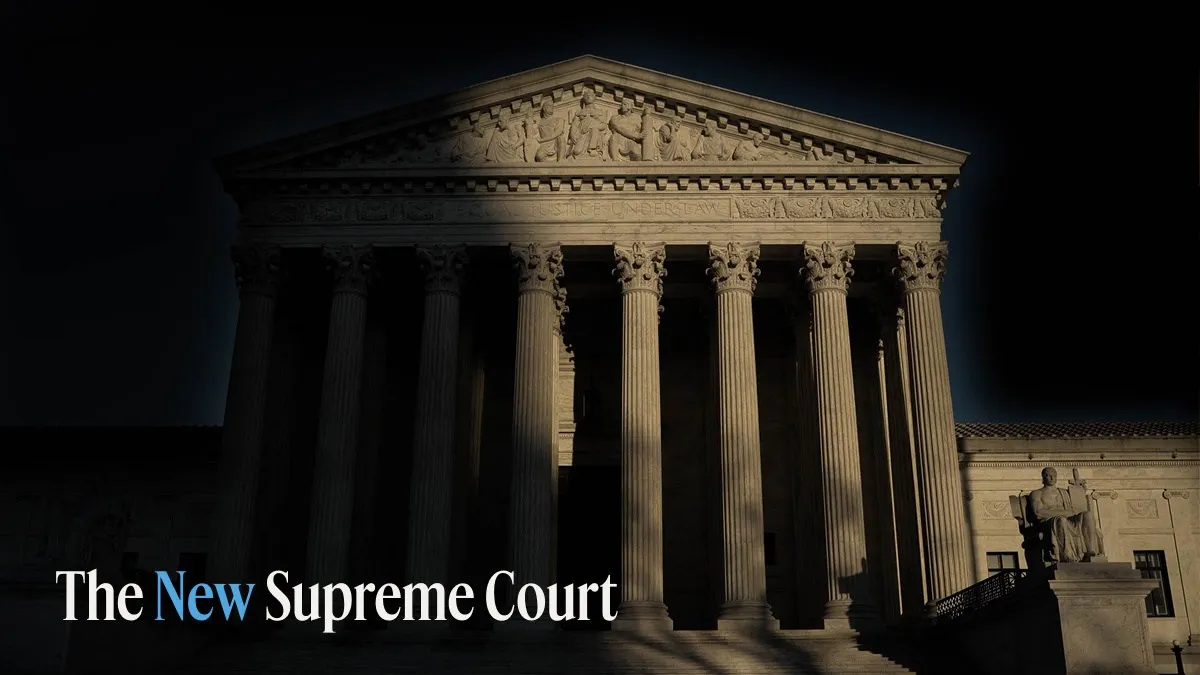
Watch: The New Supreme Court
A ProPublica analysis of Supreme Court case files revealed that in the term ending in 2025, justices issued more substantive decisions on their emergency "shadow docket" than through cases argued in open court, a potential first in modern history. These shadow docket rulings, often unsigned and without explanation of votes, address significant issues.
Ken B. MoralesProPublicaFiled 2026-09-21 · 09:00 GMTLean · Center-LeftRead · 2 min
ProPublicaFIG 01
Reading time
2min
Word count
411words
Sources cited
1cited
Entities identified
10entities
Quality score
100%
§ 01
Briefing Summary
AI-generatedNEWSAR · AI
A ProPublica analysis of Supreme Court case files revealed that in the term ending in 2025, justices issued more substantive decisions on their emergency "shadow docket" than through cases argued in open court, a potential first in modern history. These shadow docket rulings, often unsigned and without explanation of votes, address significant issues. Recent examples include allowing White House ballroom construction, blocking a redrawn Missouri congressional map requested by President Trump, and halting new USPS regulations on mail-in voting. While experts suggest these rulings often favor Trump, he has criticized the court, even justices he nominated, calling its decisions "destructive." The court's decisions since July have exclusively been on the shadow docket.
Confidence 0.90Sources 1Claims 5Entities 10
§ 02
Article analysis
Model · rule-basedFraming
Legal & Judicial
Political Strategy
Tone
Sensational
AI-assessed
CalmNeutralAlarmist
Factuality
0.60 / 1.00
Mixed
LowHigh
Sources cited
1
Limited
FewMany
§ 03
Key claims
5 extracted01
Trump criticized the justices he nominated, writing that they 'are not the people I interviewed to serve.'
quoteDonald Trump
Confidence
1.00
02
On Sept. 10, a decision blocked Missouri from using a redrawn congressional map crafted by the state’s Republican-controlled legislature.
factual
Confidence
1.00
03
On Aug. 31, the court allowed construction to continue on a ballroom at the White House.
factual
Confidence
1.00
04
The Supreme Court's emergency docket, often called the 'shadow docket,' involves justices rarely hearing arguments and often issuing unsigned orders.
factual
Confidence
1.00
05
In the term ending in 2025, the Supreme Court issued more substantive decisions on its emergency docket than in cases argued in open court.
statistic
Confidence
0.90
§ 04
Full report
2 min read · 411 words§ 05
Entities
10 identifiedKey playerOppositionContextPositiveNeutralNegative
Organizations5
§ 06
Keywords & salience
9 termsshadow docket
1.00
supreme court
0.90
constitutional rights
0.80
emergency docket
0.70
unsigned orders
0.60
substantive decisions
0.60
donald trump
0.50
redistricting
0.40
voting by mail
0.40
§ 07
Topic connections
Interactive graph Network visualization showing 51 related topics
View Full Graph Person Organization Location Event|Click node to navigate|Edge numbers = shared articles