Ruitan demonstration project in Shandong aims to reduce energy waste and stabilise grid electricity supply2-MIN READ2-MIN2ListenPublished: 1:41pm, 22 Sep 2026China has broken ground on the world’s first utility-scale combined supercritical carbon dioxide power generation and molten salt energy storage project, which could help reduce energy waste and improve grid stability.On September 16, construction began on the Ruitan demonstration project at China-huaneng" class="entity-link entity-organization" data-entity-id="58447" data-entity-type="organization">China Huaneng’s Bajiao power station in Yantai. The project in Shandong province, eastern China, is expected to go into operation next year.During periods when energy demand is low, surplus electricity generated by the plant’s existing coal power units will be used to heat up molten salt, according to a report by state news agency Xinhua on September 16.02:45China leads the world in building clean energy infrastructure, but its power grid can’t keep upDuring hours of peak energy demand, the stored heat will power a supercritical unit that uses carbon dioxide rather than steam to produce electricity.The first phase of the project will feature a 50-megawatt supercritical unit and a 100-megawatt, or 400-megawatt-hour, molten salt energy storage system.Traditional power plants burn fuel such as coal to heat water into steam, which then drives a turbine to produce electricity.In a supercritical system, carbon dioxide is held at a critical temperature and pressure, at which point it behaves like both a gas and a liquid. This dense fluid directly powers a turbine and can recirculate in a closed-loop system.These plants are smaller than traditional units, do not require water, have higher power generation efficiency and produce fewer carbon emissions.
SRCSouth China Morning Post
LANGEN
LEANCenter-Right
WORDS256
ENT10
TUE · 2026-09-22 · 05:41 GMTBRIEF NSR-2026-0922-113072
NSR-2026-0922-113072News Report·EN·Technology
China breaks ground on the world’s first supercritical CO2 and molten salt energy plant
China has begun construction on the Ruitan demonstration project, the world's first utility-scale combined supercritical carbon dioxide (sCO2) power generation and molten salt energy storage plant. Located at China Huaneng’s Bajiao power station in Yantai, Shandong province, the project aims to reduce energy waste and improve grid stability.
Victoria BelaSouth China Morning PostFiled 2026-09-22 · 05:41 GMTLean · Center-RightRead · 2 min
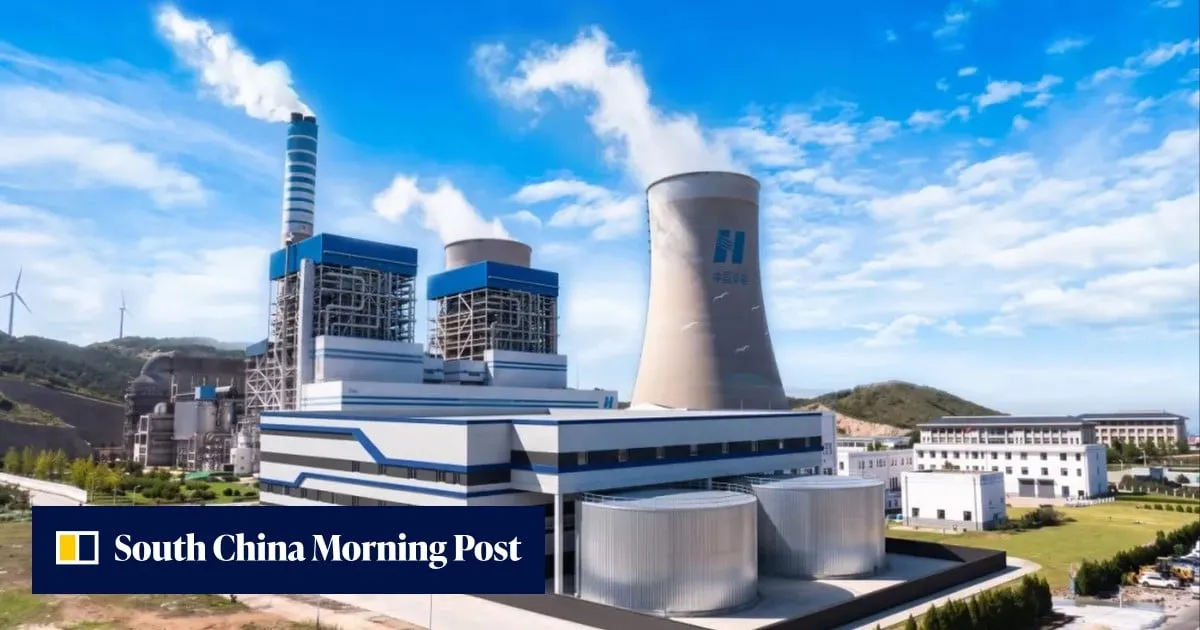
South China Morning PostFIG 01
Reading time
2min
Word count
256words
Sources cited
1cited
Entities identified
10entities
Quality score
100%
§ 01
Briefing Summary
AI-generatedNEWSAR · AI
China has begun construction on the Ruitan demonstration project, the world's first utility-scale combined supercritical carbon dioxide (sCO2) power generation and molten salt energy storage plant. Located at China Huaneng’s Bajiao power station in Yantai, Shandong province, the project aims to reduce energy waste and improve grid stability. During low demand periods, surplus electricity from existing coal units will heat molten salt for storage. At peak demand, this stored heat will power an sCO2 unit to generate electricity. The first phase will include a 50-megawatt sCO2 unit and a 100-megawatt (400-megawatt-hour) molten salt storage system. The project is expected to be operational next year.
Confidence 0.90Sources 1Claims 4Entities 10
§ 02
Article analysis
Model · rule-basedFraming
Technology
Environmental
Tone
Measured
AI-assessed
CalmNeutralAlarmist
Factuality
0.90 / 1.00
Factual
LowHigh
Sources cited
1
Limited
FewMany
§ 03
Key claims
4 extracted01
Supercritical CO2 plants are smaller than traditional units, do not require water, have higher power generation efficiency and produce fewer carbon emissions.
factual
Confidence
1.00
02
The Ruitan demonstration project in Shandong aims to reduce energy waste and stabilise grid electricity supply.
factual
Confidence
1.00
03
China has broken ground on the world’s first utility-scale combined supercritical carbon dioxide power generation and molten salt energy storage project.
factual
Confidence
1.00
04
The project is expected to go into operation next year.
prediction
Confidence
0.80
§ 04
Full report
2 min read · 256 words§ 05
Entities
10 identifiedKey playerOppositionContextPositiveNeutralNegative
Organizations2
Locations4
§ 06
Keywords & salience
8 termsmolten salt energy storage
1.00
supercritical co2 power generation
1.00
energy plant
0.90
grid stability
0.80
reduce energy waste
0.70
china huaneng
0.60
shandong province
0.50
clean energy infrastructure
0.40
§ 07
Topic connections
Interactive graph Network visualization showing 51 related topics
View Full Graph Person Organization Location Event|Click node to navigate|Edge numbers = shared articles