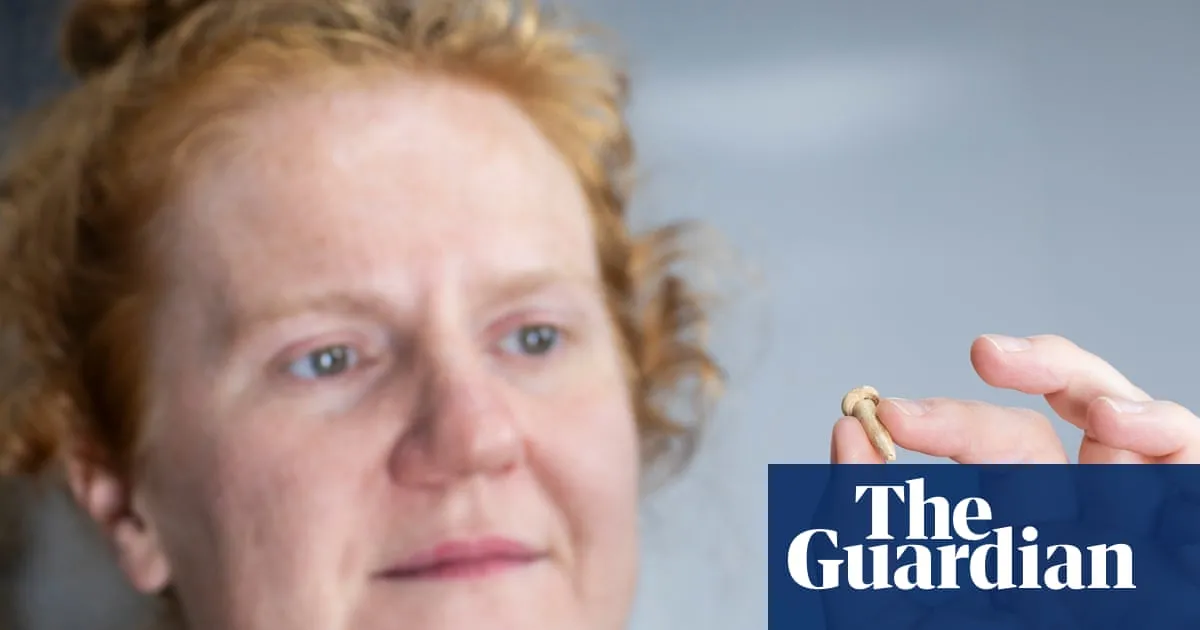
The restoration of a Georgian building in Bath once frequented by Jane Austen has unexpectedly provided a tantalising glimpse into the life of the city’s Roman suburbanites.A network of Roman ditches containing pottery, coins, glassware and a fragment of a military helmet has been found beneath Bath-assembly-rooms" class="entity-link entity-location" data-entity-id="208351" data-entity-type="location">Bath Assembly Rooms in the north of the city.Experts say the finds expand the known extent of Roman occupation in Bath and suggest further remains are likely to lie under neighbouring Georgian buildings and streets.The Roman baths that give the city its modern name are one of the best preserved ancient sites in Northern Europe, attracting more than 1 million visitors a year.Previous archaeological finds have revealed that in Roman times there were suburbs around the baths complex and, further away, comfortable country villas.But relatively little had been found in an area north of the city, partly because the city’s Georgian buildings and streets are so solid – and well-protected by conservation laws – that the sort of construction project that might unearth remains rarely takes place.Marek Lewcun, of Wessex Archaeology, said this made it all the more exciting when Roman artefacts were discovered beneath Bath-assembly-rooms" class="entity-link entity-location" data-entity-id="208351" data-entity-type="location">Bath Assembly Rooms. “There was a gap in our knowledge and this helps fill in a missing link,” he said.Recording the details of the Roman ditch. Photograph: National Trust Ruth NewellLewcun said the finds suggested the residents of this part of Bath were the sort that might live in the outskirts of a modern city: “So we’re probably looking at the ordinary folk that you might find in a modern suburb today, people who had small shops supplying pottery, bread, things like that.“We are looking at people who had gradually integrated with those who had come from all over the Roman-empire" class="entity-link entity-location" data-entity-id="2007" data-entity-type="location">Roman Empire. Before they arrived we were living in mud huts, more or less. We’ve gone from that to living in buildings that have got roofs, heating, water.”Lewcun said people with more money or status, such as retired military leaders, were probably living further up the hill in villas. “That may have been the equivalent of retiring to somewhere in the sun today.”The archaeologists found almost 60 fragments of Roman pottery, glass vessels, animal bones, roof tiles, Roman coins and a limestone tessera which may once have formed part of a mosaic floor.Bath-assembly-rooms" class="entity-link entity-location" data-entity-id="208351" data-entity-type="location">Bath Assembly Rooms. Photograph: National Trust Images/National Trust Images/James BeckAmong the most intriguing discoveries was a fragment of a Roman military helmet. This is seen as further evidence that military personnel were involved in the construction of the settlement. A slot for a beam was also found, showing that a Roman building had once stood here.Lewcun and the team were helped by the fact that the builders of Bath-assembly-rooms" class="entity-link entity-location" data-entity-id="208351" data-entity-type="location">Bath Assembly Rooms in the late 18th century did not create deep foundations, knowing the thick clay was strong enough to support the structure. It meant the Roman ditches were left untouched for the 21st-century archaeologists to probe.The Bath complex was built by the Romans around mineral-rich hot springs after the defeat of the British queen Boudica in AD60 and 61.Known as Aquae Sulis (the waters of the goddess Sulis), it became a place of pilgrimage for people seeking healing in the apparently curative water.Jane Austen lived in Bath in the early 19th century and visited Bath-assembly-rooms" class="entity-link entity-location" data-entity-id="208351" data-entity-type="location">Bath Assembly Rooms, where dancing, coffee-drinking, billiard-playing and gambling took place.Unsurprisingly, beauty products, wig curlers, wine bottles and tobacco pipes from the rooms’ heyday have been found during the restoration project but the Roman remains are regarded as a joyful bonus.Tatjana LeBoff, the National Trust project curator at Bath-assembly-rooms" class="entity-link entity-location" data-entity-id="208351" data-entity-type="location">Bath Assembly Rooms, described the Roman discoveries as significant. “It’s so wonderful to find Roman remains under our Georgian building,” she said.The £20m restoration project includes refurbishing the upper rooms heavily damaged by bombing in the second world war and conserving 10 original Georgian chandeliers. The building is due to reopen next year with a new Georgian visitor experience and a place for 21st-century assembly.
SRCThe Guardian - World News
LANGEN
LEANCenter-Left
WORDS660
ENT8
WED · 2026-09-23 · 06:00 GMTBRIEF NSR-2026-0923-113395
NSR-2026-0923-113395News Report·EN·Human Interest
Glimpses into lives of Roman suburbanites in Bath revealed in rare finds
Restoration work at Bath Assembly Rooms has uncovered Roman ditches containing pottery, coins, glassware, and a military helmet fragment. These finds, located beneath the Georgian building in the north of the city, suggest a previously unknown extent of Roman occupation.
Steven MorrisThe Guardian - World NewsFiled 2026-09-23 · 06:00 GMTLean · Center-LeftRead · 3 min
The Guardian - World NewsFIG 01
Reading time
3min
Word count
660words
Sources cited
2cited
Entities identified
8entities
Quality score
100%
§ 01
Briefing Summary
AI-generatedNEWSAR · AI
Restoration work at Bath Assembly Rooms has uncovered Roman ditches containing pottery, coins, glassware, and a military helmet fragment. These finds, located beneath the Georgian building in the north of the city, suggest a previously unknown extent of Roman occupation. Experts believe these discoveries offer a glimpse into the lives of ordinary Roman suburbanites, who likely ran small shops and integrated into Roman society. The presence of a helmet fragment indicates military personnel may have been involved in the settlement's construction. The shallow foundations of the Georgian building allowed for the preservation of these Roman remains, filling a gap in archaeological knowledge about this area of Roman Bath.
Confidence 0.90Sources 2Claims 5Entities 8
§ 02
Article analysis
Model · rule-basedFraming
Human Interest
Technology
Tone
Measured
AI-assessed
CalmNeutralAlarmist
Factuality
0.80 / 1.00
Factual
LowHigh
Sources cited
2
Limited
FewMany
§ 03
Key claims
5 extracted01
Builders of Bath Assembly Rooms in the late 18th century did not create deep foundations, leaving Roman ditches untouched.
factual
Confidence
1.00
02
A network of Roman ditches containing pottery, coins, glassware, and a military helmet fragment was found beneath Bath Assembly Rooms.
factual
Confidence
1.00
03
The residents of this part of Bath were likely ordinary folk with small shops, gradually integrated into the Roman Empire.
quoteMarek Lewcun
Confidence
0.90
04
The finds expand the known extent of Roman occupation in Bath and suggest further remains are likely to lie under neighboring buildings.
factualExperts
Confidence
0.90
05
A fragment of a Roman military helmet suggests military personnel were involved in the settlement's construction.
factual
Confidence
0.80
§ 04
Full report
3 min read · 660 words§ 05
Entities
8 identifiedKey playerOppositionContextPositiveNeutralNegative
People3
Organizations1
§ 06
Keywords & salience
8 termsroman suburbanites
1.00
roman occupation
0.90
archaeological finds
0.80
bath
0.70
roman pottery
0.60
roman coins
0.50
roman military
0.40
georgian buildings
0.40
§ 07
Topic connections
Interactive graph No topic relationship data available yet. This graph will appear once topic relationships have been computed.