They "do not allow us to bury the dead if they were killed by a drone, stepped on a landmine or were killed in any other way", said Tetiana. Russia's occupation authorities demand those deaths are confirmed by post mortem examination carried out by a Russian doctor, the BBC has been told. That is not possible in Oleshky.Only those who die of natural causes could be buried, she added, and as a result, "some bodies have been on the streets since December".Bodies are "either getting piled" up in the local hospital morgue, "where there's been no power since winter", says volunteer Ksenia Arkhipova, or "stray dogs eat them".That detail has been verified by the BBC based on numerous pictures obtained from residents. They are all too graphic to publish."This is a tool of psychological pressure," says Ester Vrataryova, the co-founder of charity Humanity, which helps people in Oleshky and the wider Ukraine" class="entity-link entity-location" data-entity-id="208784" data-entity-type="location">Russian-occupied territories of Ukraine."If you try to bury a dead body, you'll become the next one," she says.
SRCBBC News - World
LANGEN
LEANCenter
WORDS169
ENT10
WED · 2026-09-23 · 23:58 GMTBRIEF NSR-2026-0924-113627
NSR-2026-0924-113627News Report·EN·Human Rights
Residents eating garden weeds in Russian-occupied city cut off from food and water
Residents in the Russian-occupied Ukrainian town of Oleshky are facing severe humanitarian challenges, including a lack of food and water and constant shelling. The occupation authorities are reportedly preventing the burial of those killed by non-natural causes, such as drone strikes or landmines, unless a post-mortem examination by a Russian doctor is conducted, which is not feasible in Oleshky.
2 hours agoShareSaveAdd as preferred on GoogleOlga MalchevskaEastern Europe reporterBBC News - WorldFiled 2026-09-23 · 23:58 GMTLean · CenterRead · 1 min
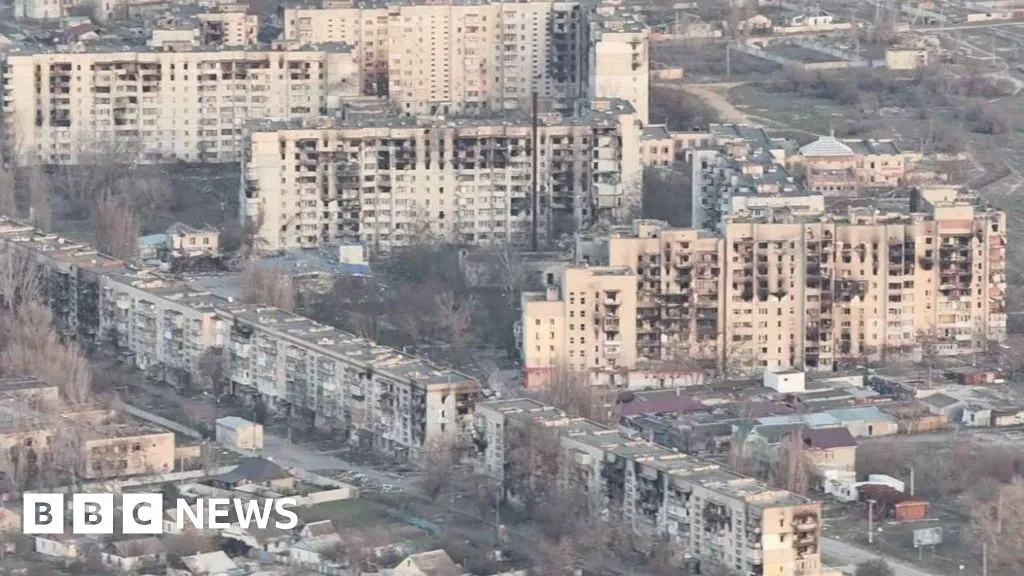
BBC News - WorldFIG 01
Reading time
1min
Word count
169words
Sources cited
3cited
Entities identified
10entities
Quality score
100%
§ 01
Briefing Summary
AI-generatedNEWSAR · AI
Residents in the Russian-occupied Ukrainian town of Oleshky are facing severe humanitarian challenges, including a lack of food and water and constant shelling. The occupation authorities are reportedly preventing the burial of those killed by non-natural causes, such as drone strikes or landmines, unless a post-mortem examination by a Russian doctor is conducted, which is not feasible in Oleshky. This policy has led to bodies remaining unburied for months, either piling up in a powerless hospital morgue or being consumed by stray dogs. Humanitarian workers suggest this is a tactic of psychological pressure, with threats of becoming the next victim for attempting to bury the dead.
Confidence 0.90Sources 3Claims 5Entities 10
§ 02
Article analysis
Model · rule-basedFraming
Human Rights
Conflict
Tone
Mixed Tone
AI-assessed
CalmNeutralAlarmist
Factuality
0.70 / 1.00
Factual
LowHigh
Sources cited
3
Well sourced
FewMany
§ 03
Key claims
5 extracted01
The BBC has verified graphic pictures of the situation with bodies based on resident accounts.
factualBBC
Confidence
0.95
02
Russian occupation authorities demand post-mortem examinations by Russian doctors for deaths not from natural causes, which is impossible in Oleshky.
quoteTetiana
Confidence
0.90
03
Bodies are being piled in a hospital morgue with no power or eaten by stray dogs.
quoteKsenia Arkhipova
Confidence
0.85
04
Restrictions on burials are a tool of psychological pressure by Russian forces.
quoteEster Vrataryova
Confidence
0.80
05
Some bodies have been on the streets since December due to restrictions on burials.
quoteTetiana
Confidence
0.80
§ 04
Full report
1 min read · 169 words§ 05
Entities
10 identifiedKey playerOppositionContextPositiveNeutralNegative
People3
Organizations2
Locations4
Topics1
§ 06
Keywords & salience
9 termsrussian occupation
1.00
food and water scarcity
0.90
humanitarian crisis
0.80
psychological pressure
0.70
burial restrictions
0.70
occupied territories
0.60
post mortem examination
0.50
garden weeds
0.40
ukraine
0.40
§ 07
Topic connections
Interactive graph Network visualization showing 4 related topics
View Full Graph Person Organization Location Event|Click node to navigate|Edge numbers = shared articles