Toey Wattana Mongkhonnam began thinking about outfitting his family home in Thailand’s northeastern province of Yasothon with solar panels during the Covid-19 pandemic.In his household of five, electricity use rises with the day’s heat, and the monthly bill could range from 1,000 to 1,500 baht (US$30 to US$45).“Back then, I checked prices and a rooftop panel system that could put out enough power to run my household’s appliances could cost 100,000 to 200,000 baht,” said Toey, a Muay Thai trainer in Kuala Lumpur.Toey’s calculations capture the challenge facing Thailand’s recently proposed 50-billion-baht (US$1.5 billion) rooftop-solar support scheme: whether it can make the switch attractive not just to high-use households but also to those with lower bills who may have less money to put towards the initial cost.The government said on September 2 it aimed to help up to 1 million households install 5 gigawatts of solar capacity on their rooftops, presenting the proposal as both protection against volatile power costs and a way to reduce the country’s dependence on imported liquefied natural gas.Pedestrians walk past an electric fan during hot weather in Bangkok in May 2024. Photo: EPA-EFEA week later, the government discussed the possibility of expanding the target to as many as 1.5 million households. A government representative said on Friday the capacity target had been doubled to 10 gigawatts.But whether the scheme achieves that broader reach could depend on more than subsidies. Rules on financing, eligibility and grid connections could determine whether household solar becomes accessible to families such as Toey’s or only to those who use more power with the funds and roofs to install it.
SRCSouth China Morning Post
LANGEN
LEANCenter-Right
WORDS269
ENT9
THU · 2026-09-24 · 01:30 GMTBRIEF NSR-2026-0924-113637
NSR-2026-0924-113637News Report·EN·Economic Impact
Thailand’s solar scheme faces hurdles as low power users turned off by high cost
Thailand's government has proposed a 50-billion-baht solar support scheme to help up to 1 million households install rooftop solar capacity, aiming to mitigate volatile power costs and reduce reliance on imported LNG. The scheme, potentially expanding to 1.5 million households with a doubled capacity target of 10 gigawatts, faces a key challenge: attracting lower-electricity users.
Vincent TanSouth China Morning PostFiled 2026-09-24 · 01:30 GMTLean · Center-RightRead · 2 min
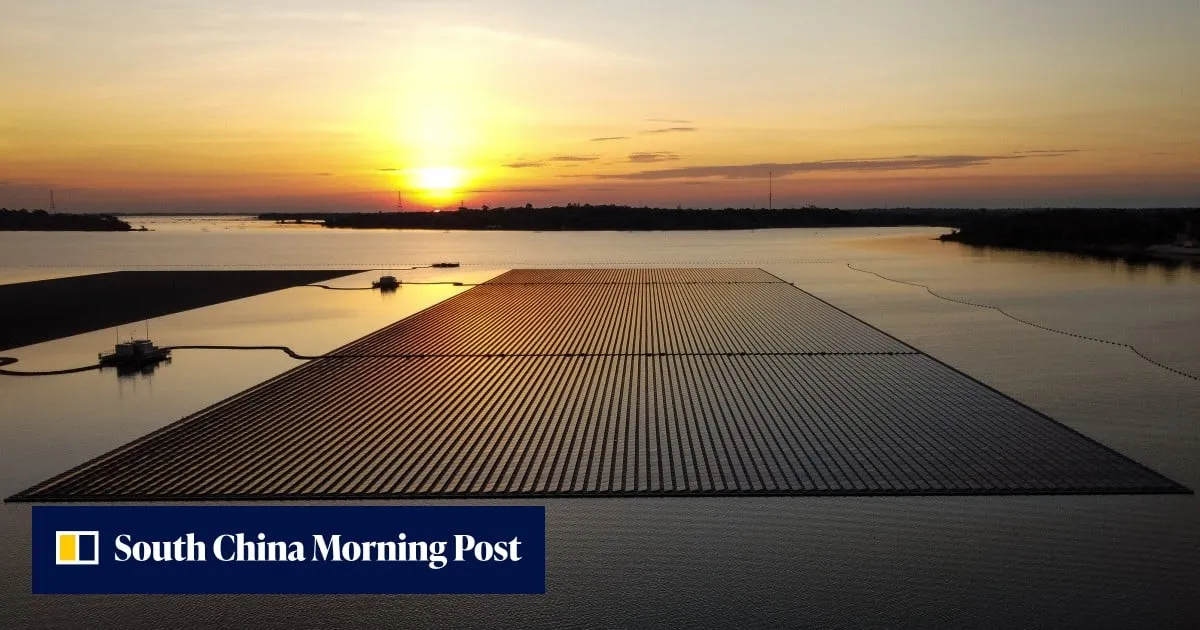
South China Morning PostFIG 01
Reading time
2min
Word count
269words
Sources cited
1cited
Entities identified
9entities
Quality score
100%
§ 01
Briefing Summary
AI-generatedNEWSAR · AI
Thailand's government has proposed a 50-billion-baht solar support scheme to help up to 1 million households install rooftop solar capacity, aiming to mitigate volatile power costs and reduce reliance on imported LNG. The scheme, potentially expanding to 1.5 million households with a doubled capacity target of 10 gigawatts, faces a key challenge: attracting lower-electricity users. Individuals like Toey Wattana Mongkhonnam, whose household electricity bills are between 1,000 to 1,500 baht monthly, find the initial cost of rooftop solar systems (100,000 to 200,000 baht) prohibitive. The success of the scheme in reaching these households will likely depend on factors beyond subsidies, including financing, eligibility, and grid connection rules.
Confidence 0.90Sources 1Claims 5Entities 9
§ 02
Article analysis
Model · rule-basedFraming
Economic Impact
Technology
Tone
Measured
AI-assessed
CalmNeutralAlarmist
Factuality
0.70 / 1.00
Factual
LowHigh
Sources cited
1
Limited
FewMany
§ 03
Key claims
5 extracted01
The capacity target for household solar installations has been doubled to 10 gigawatts.
statisticgovernment representative
Confidence
1.00
02
The government aims to reduce the country's dependence on imported liquefied natural gas through the solar scheme.
factualgovernment
Confidence
1.00
03
The initial cost for a rooftop solar panel system can range from 100,000 to 200,000 baht.
statisticToey Wattana Mongkhonnam
Confidence
1.00
04
Thailand's proposed 50-billion-baht rooftop-solar support scheme aims to help up to 1 million households install 5 gigawatts of solar capacity.
statisticgovernment
Confidence
1.00
05
The success of the scheme may depend on rules for financing, eligibility, and grid connections.
factual
Confidence
0.80
§ 04
Full report
2 min read · 269 words§ 05
Entities
9 identifiedKey playerOppositionContextPositiveNeutralNegative
Locations4
§ 06
Keywords & salience
10 termssolar scheme
1.00
rooftop solar
1.00
high cost
0.90
low power users
0.90
thailand
0.80
initial cost
0.70
electricity use
0.70
solar capacity
0.60
imported liquefied natural gas
0.50
subsidies
0.40
§ 07
Topic connections
Interactive graph Network visualization showing 51 related topics
View Full Graph Person Organization Location Event|Click node to navigate|Edge numbers = shared articles