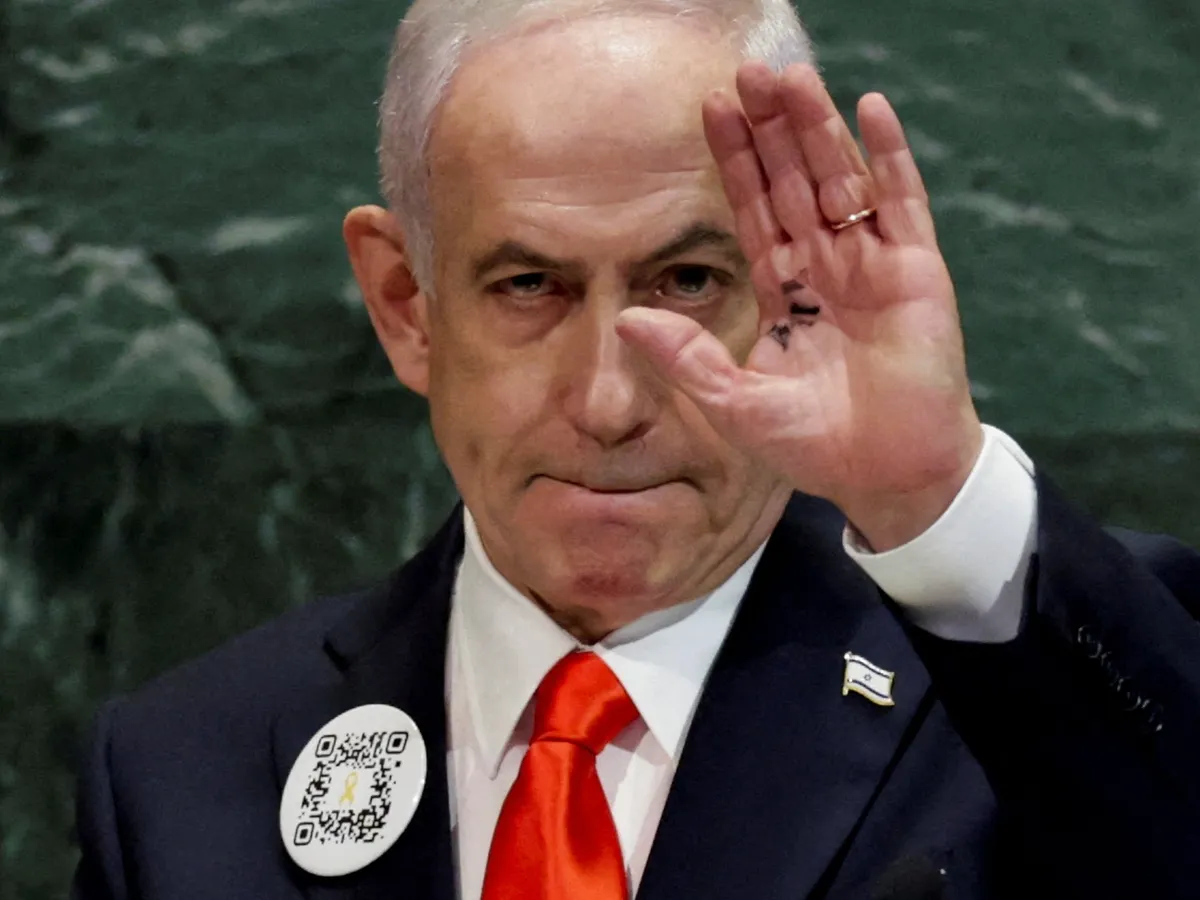
As criticism of Israel intensifies, Israeli PM Netanyahu heads to the UN with his own political future in focus.Published On 24 Sep 2026When Israeli Prime Minister Benjamin Netanyahu takes to his feet at the United Nations General Assembly (UNGA) in New York later on Thursday, he does so at a critical point in both his political career and in his country’s long and fractious relationship with the international body.Israel has faced repeated accusations of genocide at the UN, as well as systematic war crimes in Gaza and the occupied West Bank. Those criticisms continue to shape the country’s fractious relationship with the body.Recommended Stories list of 4 itemslist 1 of 4Do Israelis feel any safer now than they did on October 6, 2023?list 2 of 4Why United Nations says US boat strikes may be ‘crimes against humanity’list 3 of 4US senator condemns Netanyahu as a ‘chronic liar’ ahead of UNGA visitlist 4 of 4Despite flurry of New York diplomacy, US-Iran deal remains elusiveend of listFor Netanyahu, appearing in front of the UNGA for the 15th time, the stakes have rarely been higher. Addressing a domestic Israeli audience that polls show to be losing faith in him and his Likud party in the run-up to crucial elections later this year, Netanyahu has already pitched himself as Israel’s primary voice on the international stage.Nevertheless, analysts say Netanyahu’s address could prove a pivotal moment domestically, amplified by international criticism of Israel and expected to dominate headlines and be carried live across the country’s television networks.“This is a regular fixture for him,” former Israeli consul general in New York and ex-government adviser, Alon Pinkas, told Al Jazeera. “It’s his way of being seen in Israel as standing up against the world and of telling members that he will never give up or surrender. He’s also turned the event into some kind of national holiday in Israel, with everyone sitting down to watch the address on television. He’s brainwashed people in Israel into believing his speech is somehow an announcement of policy, stated in defiance of the [rest of the world] who don’t believe a word he says.”A history of hostilityIsraeli leaders have long framed their stance towards the UN as one of defiance in the face of hostility. The UN has long been a platform for critics of Israel’s illegal occupation of Palestinian land and repeated attacks on its neighbours. It has included attempts to censure Israel over what UN investigators have described as apartheid in the West Bank, as well as accusations of genocide and pogroms across the occupied Palestinian territory since October 2023.
SRCAl Jazeera
LANGEN
LEANCenter
WORDS431
ENT12
THU · 2026-09-24 · 08:40 GMTBRIEF NSR-2026-0924-113703
NSR-2026-0924-113703Analysis·EN·Political Strategy
Netanyahu takes UN stage with one eye on Israel’s election
Israeli Prime Minister Benjamin Netanyahu is addressing the United Nations General Assembly at a critical juncture for both his political career and Israel's relationship with the UN. Facing intensifying international criticism, including accusations of genocide and war crimes in Gaza and the West Bank, Netanyahu is also contending with declining domestic support ahead of upcoming elections.
Simon Speakman CordallAl JazeeraFiled 2026-09-24 · 08:40 GMTLean · CenterRead · 2 min
Al JazeeraFIG 01
Reading time
2min
Word count
431words
Sources cited
1cited
Entities identified
12entities
Quality score
100%
§ 01
Briefing Summary
AI-generatedNEWSAR · AI
Israeli Prime Minister Benjamin Netanyahu is addressing the United Nations General Assembly at a critical juncture for both his political career and Israel's relationship with the UN. Facing intensifying international criticism, including accusations of genocide and war crimes in Gaza and the West Bank, Netanyahu is also contending with declining domestic support ahead of upcoming elections. Analysts suggest his UN address, a regular event for him, serves to project an image of defiance to his Israeli audience, potentially influencing public perception. Historically, Israeli leaders have portrayed their UN engagement as a stance against perceived hostility from the international body, which has frequently served as a platform for criticism of Israel's policies in the occupied Palestinian territories.
Confidence 0.90Sources 1Claims 5Entities 12
§ 02
Article analysis
Model · rule-basedFraming
Political Strategy
Diplomatic
Tone
Mixed Tone
AI-assessed
CalmNeutralAlarmist
Factuality
0.40 / 1.00
Mixed
LowHigh
Sources cited
1
Limited
FewMany
§ 03
Key claims
5 extracted01
He’s brainwashed people in Israel into believing his speech is somehow an announcement of policy, stated in defiance of the [rest of the world] who don’t believe a word he says.
quoteAlon Pinkas
Confidence
1.00
02
Netanyahu has already pitched himself as Israel’s primary voice on the international stage.
factual
Confidence
0.90
03
Israeli PM Netanyahu heads to the UN with his own political future in focus.
factual
Confidence
0.90
04
Israel has faced repeated accusations of genocide at the UN, as well as systematic war crimes in Gaza and the occupied West Bank.
factual
Confidence
0.80
05
Analysts say Netanyahu’s address could prove a pivotal moment domestically, amplified by international criticism of Israel.
predictionanalysts
Confidence
0.70
§ 04
Full report
2 min read · 431 words§ 05
Entities
12 identifiedKey playerOppositionContextPositiveNeutralNegative
Organizations4
Locations4
§ 06
Keywords & salience
10 termsunited nations
1.00
netanyahu
1.00
israel election
0.90
international criticism
0.80
political career
0.70
accusations of genocide
0.60
occupied west bank
0.60
war crimes
0.50
domestic audience
0.40
unga address
0.40
§ 07
Topic connections
Interactive graph Network visualization showing 51 related topics
View Full Graph Person Organization Location Event|Click node to navigate|Edge numbers = shared articles