As China has emerged as a peer competitor to the United States in many areas, an increasingly familiar question is whether it has become a superpower. The question, however, may rest on a definition of power that belongs to another era.China possesses many attributes traditionally associated with great powers: a large population, vast territory, a major economy, advanced technological capabilities and growing military strength. Yet Beijing describes China as a “major country” rather than a “great power” or “superpower”. Its white paper on global governance, for example, presents China as a major country advocating a more just and equitable international order.It reflects a different conception of what power is for, and perhaps what constitutes responsible power in the 21st century.The term “superpower” dates from the second world war. In his 1944 book The Super-Powers: The United States, Britain, and the Soviet Union – Their Responsibility for Peace, American political scientist William T.R. Fox identified the three as a new category of states whose military and geopolitical capabilities gave them an exceptional role in shaping the post-war order.The ability to move and sustain armed forces across major theatres of war, supported by overseas bases and extensive geopolitical reach, was a defining attribute of the new superpowers. Fox’s argument also carried an important implication: those possessing such exceptional capabilities would bear an exceptional responsibility for preserving peace.That concept remains relevant. Military power, strategic reach and the ability to deter or defeat adversaries continue to shape international politics. But they no longer exhaust the sources of national power.Over the past eight decades, economic interdependence, global supply chains, technology, finance and industrial capacity have become increasingly important instruments of geopolitical influence. Power can also arise from the ability to produce critical goods, control strategically important technologies, withstand economic pressure or impose costs on an adversary through disruption of commercial networks.This is one reason the experience of the past decade is difficult to fit neatly into a purely military definition of power.
SRCSouth China Morning Post
LANGEN
LEANCenter-Right
WORDS327
ENT12
SAT · 2026-09-26 · 21:30 GMTBRIEF NSR-2026-0926-114352
NSR-2026-0926-114352Analysis·EN·Political Strategy
How China is seeking to transform the meaning of great power
China, while possessing traditional great power attributes like a large population, economy, and military, describes itself as a "major country" rather than a "superpower." This reflects a shift in the definition of power, moving beyond a solely military-centric view that originated after World War II. The article suggests that while military strength remains important, economic interdependence, technology, finance, and industrial capacity are increasingly significant instruments of geopolitical influence in the 21st century.
Regina IpSouth China Morning PostFiled 2026-09-26 · 21:30 GMTLean · Center-RightRead · 2 min
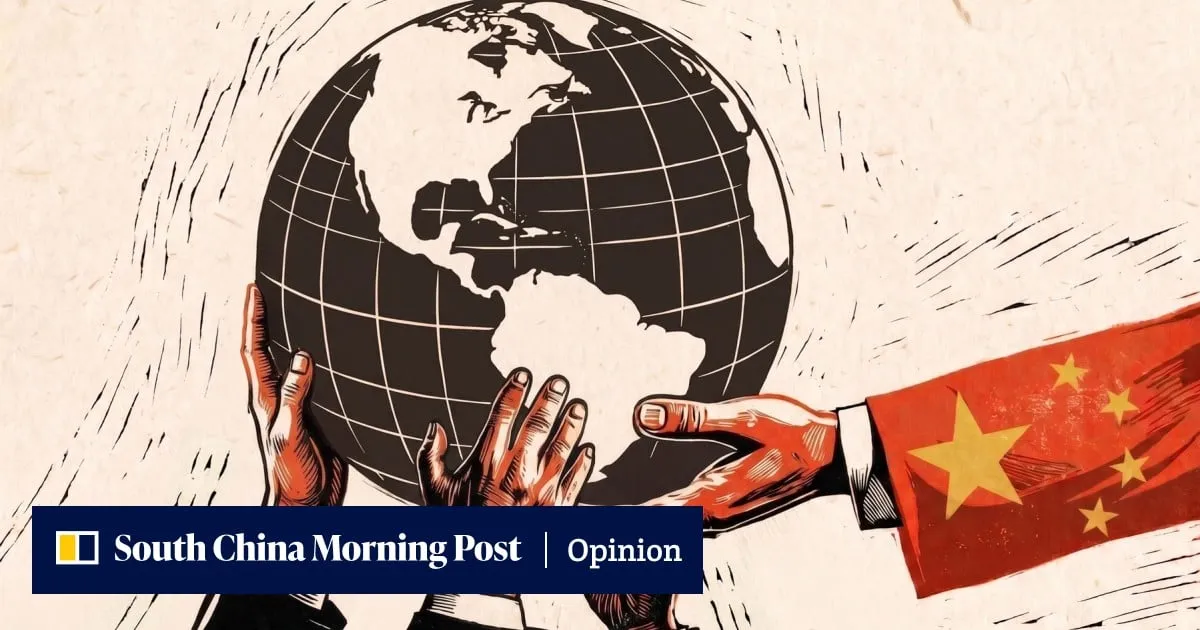
South China Morning PostFIG 01
Reading time
2min
Word count
327words
Sources cited
1cited
Entities identified
12entities
Quality score
100%
§ 01
Briefing Summary
AI-generatedNEWSAR · AI
China, while possessing traditional great power attributes like a large population, economy, and military, describes itself as a "major country" rather than a "superpower." This reflects a shift in the definition of power, moving beyond a solely military-centric view that originated after World War II. The article suggests that while military strength remains important, economic interdependence, technology, finance, and industrial capacity are increasingly significant instruments of geopolitical influence in the 21st century. China's self-designation as a "major country" advocating for a more just international order indicates a different conception of responsible power.
Confidence 0.90Sources 1Claims 4Entities 12
§ 02
Article analysis
Model · rule-basedFraming
Political Strategy
Diplomatic
Tone
Measured
AI-assessed
CalmNeutralAlarmist
Factuality
0.70 / 1.00
Factual
LowHigh
Sources cited
1
Limited
FewMany
§ 03
Key claims
4 extracted01
Economic interdependence, global supply chains, technology, finance, and industrial capacity have become increasingly important instruments of geopolitical influence.
factual
Confidence
1.00
02
The term 'superpower' dates from the second world war and was identified by William T.R. Fox in 1944.
factualWilliam T.R. Fox
Confidence
1.00
03
Beijing describes China as a 'major country' rather than a 'great power' or 'superpower'.
factual
Confidence
1.00
04
China possesses attributes traditionally associated with great powers: large population, vast territory, major economy, advanced technology, and growing military strength.
factual
Confidence
1.00
§ 04
Full report
2 min read · 327 words§ 05
Entities
12 identifiedKey playerOppositionContextPositiveNeutralNegative
Locations4
§ 06
Keywords & salience
10 termsgreat power
1.00
superpower definition
0.90
china
0.80
international order
0.70
national power
0.70
military strength
0.60
geopolitical influence
0.50
economic interdependence
0.50
global governance
0.40
technological capabilities
0.40
§ 07
Topic connections
Interactive graph Network visualization showing 51 related topics
View Full Graph Person Organization Location Event|Click node to navigate|Edge numbers = shared articles