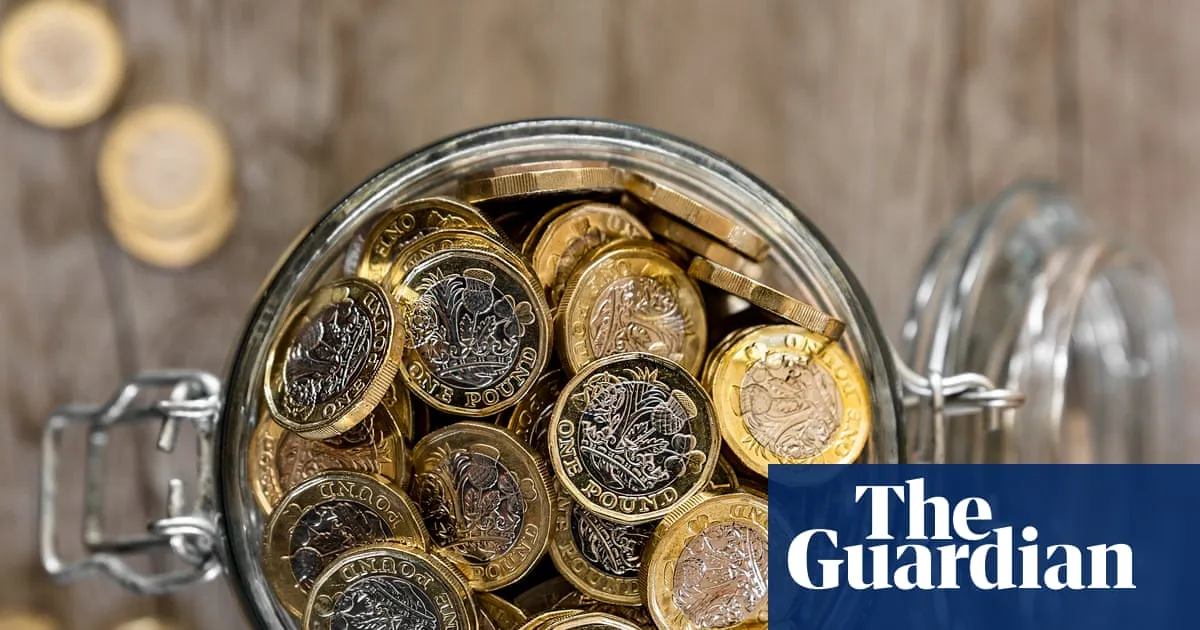
Returns on the top fixed-rate savings accounts are at their highest level in years and still climbing, with some now paying up to 5.25%.It leaves those with money to put away facing a choice: lock into some of the best interest rates on offer in several years or hold your nerve in the hope they get even better?While new fixed mortgage rates have jumped in recent months – dealing a blow to many homebuyers and those aiming to remortgage – their pain has been savers’ gain.This month, the data provider Moneyfacts said fixed savings rates were at “multiyear highs”, fuelled by strong competition, and this trend has continued: on Thursday the average new one-year fixed savings bond rate was 4.41%.With a fixed-rate savings bond, you typically have to tie up your money for between six months and five years, and they provide a clear, guaranteed return. The one-year version tends to be popular as many people do not want to tie up cash for long periods.The top-paying accounts are offering a fair bit more than that average: at the time of writing, GB Bank had a one-year fixed-rate bond paying 5.05%. Meanwhile, Kent Reliance had a 13-month acciunt offering 5.06%. (With both, the minimum deposit is £1,000.)Returns on the top fixed-rate savings accounts are at their highest level in years. Photograph: Peter Dazeley/Getty ImagesThe best-buy rates are even higher if you tie up cash for longer. This week, GB Bank, Shawbrook Bank and Vanquis were among those paying 5.25% on a five-year fixed bond.However, some savers will recall that as recently as late 2023 there were fixed bonds paying 6%, and if and when the Bank of England base rate goes up, that could push returns on savings higher than they are now.Many economists predict the Bank will lift the base rate before the end of this year, with further rises thought likely next year.Rachel Springall at Moneyfacts expects the deals on offer to savers “to get even better”. However, she cautions that we do not know the path interest rates will follow, and that anything could happen in the next few months or so.Those with cash to stash may want to hedge their bets by putting some into a competitive fixed-rate bond now and keeping another chunk in a high-paying easy access account. There are easy access accounts paying up to 5%.Some fixed-rate savings bonds will let you “drip-feed” cash in – for example, some will let you add money while the account is still open to new customers, while others have a specific “funding window”, which might be a few weeks but can be just a few days.The cost of living is still a big issue, with many worried about the prospect of higher energy bills this winter – so it could be a mistake to put all your savings cash out of reach. Springall suggests spreading your money across fixed-rate products and accounts that are accessible, plus also making use of tax-free cash Isas.Do you have an Isa? Photograph: Leonora Oates/AlamyIf you are aiming to put some money into savings or switch providers and are not using your Isa allowance at all, you are missing out on valuable tax benefits.Rates on fixed cash Isas are often slightly lower than for similar non-Isa accounts, although not always: Shawbrook Bank’s five-year fixed savings bond and five-year fixed cash Isa pay 5.25%.Every tax year you can save up to £20,000 in Isas, but from April 2027, the rules will change for anyone under 65. Instead of being able to put all of the money into a cash Isa, that element will be capped at £12,000. If you are 65 or over, all £20,000 can still be put into a cash Isa.
SRCThe Guardian - World News
LANGEN
LEANCenter-Left
WORDS621
ENT11
MON · 2026-09-28 · 05:00 GMTBRIEF NSR-2026-0928-114608
NSR-2026-0928-114608Analysis·EN·Economic Impact
Should you lock into a fixed-rate savings account paying 5.25%?
Fixed-rate savings accounts are offering returns at multi-year highs, with some accounts paying up to 5.25%. Savers now face a decision: lock in these competitive rates or wait, as some experts predict rates could improve further.
Rupert JonesThe Guardian - World NewsFiled 2026-09-28 · 05:00 GMTLean · Center-LeftRead · 3 min
The Guardian - World NewsFIG 01
Reading time
3min
Word count
621words
Sources cited
2cited
Entities identified
11entities
Quality score
100%
§ 01
Briefing Summary
AI-generatedNEWSAR · AI
Fixed-rate savings accounts are offering returns at multi-year highs, with some accounts paying up to 5.25%. Savers now face a decision: lock in these competitive rates or wait, as some experts predict rates could improve further. While mortgage rates have risen, this has benefited savers. Fixed-rate bonds typically require locking funds for six months to five years, offering guaranteed returns. Top one-year fixed rates are around 4.41%, with specific accounts offering slightly higher. Longer-term bonds can reach 5.25%. Some savers recall higher rates in late 2023, and future Bank of England base rate increases could push savings returns even higher. Experts suggest a balanced approach, potentially splitting funds between fixed-rate bonds and accessible high-interest accounts, and utilizing tax-free cash ISAs.
Confidence 0.90Sources 2Claims 5Entities 11
§ 02
Article analysis
Model · rule-basedFraming
Economic Impact
Human Interest
Tone
Measured
AI-assessed
CalmNeutralAlarmist
Factuality
0.70 / 1.00
Factual
LowHigh
Sources cited
2
Limited
FewMany
§ 03
Key claims
5 extracted01
Fixed savings rates are at multiyear highs, fuelled by strong competition.
quoteMoneyfacts
Confidence
0.95
02
Rachel Springall expects the deals on offer to savers 'to get even better'.
quoteRachel Springall at Moneyfacts
Confidence
0.90
03
Returns on top fixed-rate savings accounts are at their highest level in years, with some now paying up to 5.25%.
statistic
Confidence
0.90
04
It could be a mistake to put all your savings cash out of reach due to the cost of living and potential higher energy bills.
factual
Confidence
0.80
05
Many economists predict the Bank of England will lift the base rate before the end of this year.
predictioneconomists
Confidence
0.70
§ 04
Full report
3 min read · 621 words§ 05
Entities
11 identifiedKey playerOppositionContextPositiveNeutralNegative
People1
Organizations6
§ 06
Keywords & salience
8 termsfixed-rate savings accounts
1.00
interest rates
0.90
savings bonds
0.80
bank of england base rate
0.70
guaranteed return
0.60
easy access account
0.50
moneyfacts
0.40
mortgage rates
0.40
§ 07
Topic connections
Interactive graph No topic relationship data available yet. This graph will appear once topic relationships have been computed.