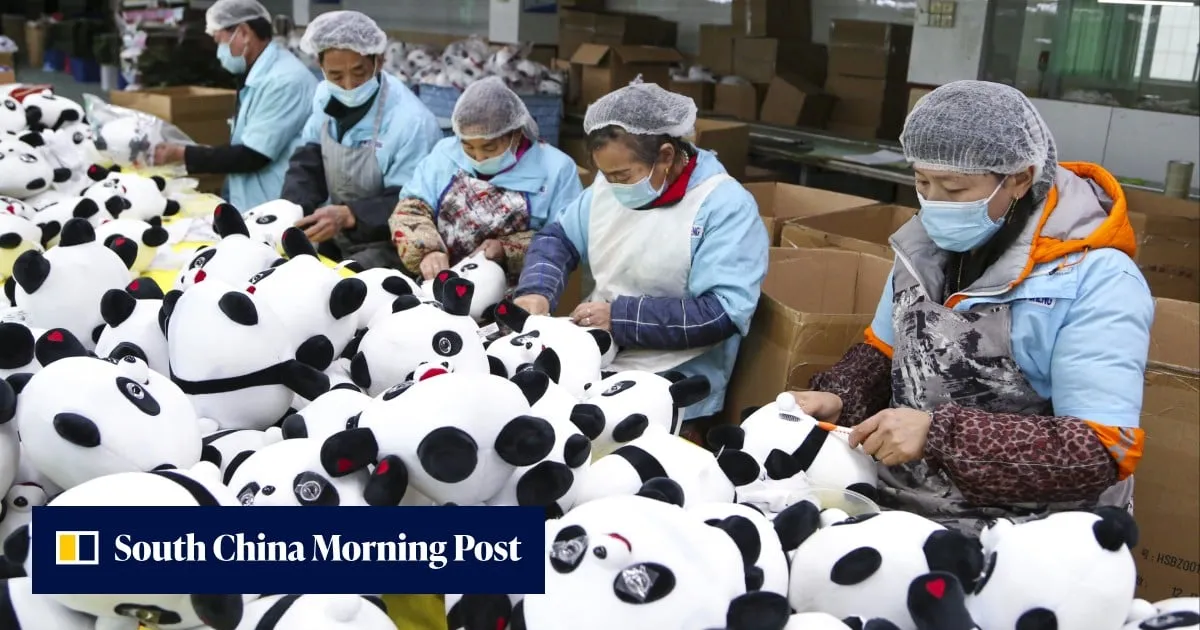
For years, Chinese manufacturers have viewed Southeast Asia as a way to reduce exposure to higher US duties on goods made in China. But a new round of tariff cuts proposed by Washington and Beijing could weaken that incentive for some products, potentially changing the economics of the strategy. Under the new China-board-of-trade" class="entity-link entity-organization" data-entity-id="128910" data-entity-type="organization">US-China Board of Trade, more than 90 per cent of Chinese products on a list of goods worth US$30 billion – mostly everyday consumer items, such as toys and household goods – would return...
SRCSouth China Morning Post
LANGEN
LEANCenter-Right
WORDS86
ENT11
WED · 2026-09-30 · 14:11 GMTBRIEF NSR-2026-0930-115321
NSR-2026-0930-115321Analysis·EN·Economic Impact
After the US-China tariff deal, will Chinese factories still need Southeast Asia?
Chinese manufacturers have historically used Southeast Asia to circumvent US tariffs on goods produced in China. However, a new US-China trade agreement proposes tariff reductions on a significant portion of Chinese products, including everyday consumer items like toys and household goods.
Alice LiSouth China Morning PostFiled 2026-09-30 · 14:11 GMTLean · Center-RightRead · 1 min
South China Morning PostFIG 01
Reading time
1min
Word count
86words
Sources cited
0cited
Entities identified
11entities
Quality score
100%
§ 01
Briefing Summary
AI-generatedNEWSAR · AI
Chinese manufacturers have historically used Southeast Asia to circumvent US tariffs on goods produced in China. However, a new US-China trade agreement proposes tariff reductions on a significant portion of Chinese products, including everyday consumer items like toys and household goods. This agreement, covering over 90% of a $30 billion list of goods, could diminish the economic advantage of manufacturing in Southeast Asia for some companies. The proposed tariff cuts may alter the strategic calculations of Chinese factories that have relied on this offshore production to mitigate trade tensions.
Confidence 0.85Claims 4Entities 11
§ 02
Article analysis
Model · rule-basedFraming
Economic Impact
Diplomatic
Tone
Measured
AI-assessed
CalmNeutralAlarmist
Factuality
0.60 / 1.00
Mixed
LowHigh
Sources cited
0
No named sources
FewMany
§ 03
Key claims
4 extracted01
The affected goods are mostly everyday consumer items like toys and household goods.
factual
Confidence
0.90
02
Chinese manufacturers have used Southeast Asia to reduce exposure to US duties on goods made in China.
factual
Confidence
0.90
03
Over 90% of Chinese products on a list worth US$30 billion would return under the new US-China Board of Trade.
statistic
Confidence
0.80
04
A new round of tariff cuts proposed by Washington and Beijing could weaken the incentive for some products.
prediction
Confidence
0.70
§ 04
Full report
1 min read · 86 words§ 05
Entities
11 identifiedKey playerOppositionContextPositiveNeutralNegative
Organizations2
Locations3
§ 06
Keywords & salience
7 termsus-china tariff deal
1.00
chinese factories
0.90
southeast asia
0.80
us duties
0.70
tariff cuts
0.60
us-china board of trade
0.50
consumer items
0.40
§ 07
Topic connections
Interactive graph Network visualization showing 51 related topics
View Full Graph Person Organization Location Event|Click node to navigate|Edge numbers = shared articles