For the first time in more than 30 years, a hurricane has not formed in the Atlantic throughout September - normally the most active month for hurricane activity.With just two months left of the defined hurricane season, there is an increasing possibility that no hurricanes will develop at all. This would make the 2026 Atlantic-hurricane-season" class="entity-link entity-event" data-entity-id="131786" data-entity-type="event">Atlantic hurricane season the only one in the satellite era without a hurricane.The biggest reason for this is El Niño, which traditionally stifles activity in the Atlantic but brings a very active season in the eastern Pacific" class="entity-link entity-location" data-entity-id="143419" data-entity-type="location">North Pacific.The Atlantic-hurricane-season" class="entity-link entity-event" data-entity-id="131786" data-entity-type="event">Atlantic hurricane season was predicted to be quieter than normal as a result of this.With a very strong El Niño forecast, the US National Hurricane Center in May predicted a total of eight to 14 named storms. Of those, three to six were predicted to become hurricanes, with one to three becoming major hurricanes.September is typically the most active month for tropical storm and hurricane activity.But, this year marks the latest date on record since the start of the satellite era (1960s onward) where no hurricane has formed in the North Atlantic.While El Niño is the natural warming of the Pacific" class="entity-link entity-location" data-entity-id="208028" data-entity-type="location">tropical Pacific, it can disrupt weather patterns around the globe.As wind patterns shift during an El Niño, upper winds over the Atlantic increase and this leads to more wind shear, where wind changes rapidly with height.Strong winds blowing at different speeds and directions at higher altitudes rip apart thunderstorms, preventing them from growing into tropical storms or hurricanes.Meanwhile, the Pacific typically becomes more active during El Niño because the sea surface temperatures here are much higher, combined with more favourable wind patterns.The warmer waters give storms more energy to grow into tropical storms and hurricanes.This year, temperature records have already been broken in a key region of the Pacific" class="entity-link entity-location" data-entity-id="212837" data-entity-type="location">central-eastern Pacific, with daily sea surface temperatures now exceeding the previous record set during the very strong El Niño of 2015.There have so far been 17 named storms in the basin including nine hurricanes, seven of which were major.In terms of the amount of energy these storms have produced - known as the Accumulated Cyclone Energy - this season is around two and half times more active than normal at this point.El Niño is predicted to continue to strengthen with forecasts suggesting it will reach its peak in November or December.
SRCBBC News - World
LANGEN
LEANCenter
WORDS391
ENT8
FRI · 2026-10-02 · 23:37 GMTBRIEF NSR-2026-1003-115950
NSR-2026-1003-115950News Report·EN·Environmental
Could El Niño mean there are no Atlantic hurricanes this year?
For the first time in over 30 years, no Atlantic hurricanes have formed in September, typically the most active month. This unusual lack of activity is primarily attributed to El Niño, a natural warming of the tropical Pacific.
BBC News - WorldFiled 2026-10-02 · 23:37 GMTLean · CenterRead · 2 min
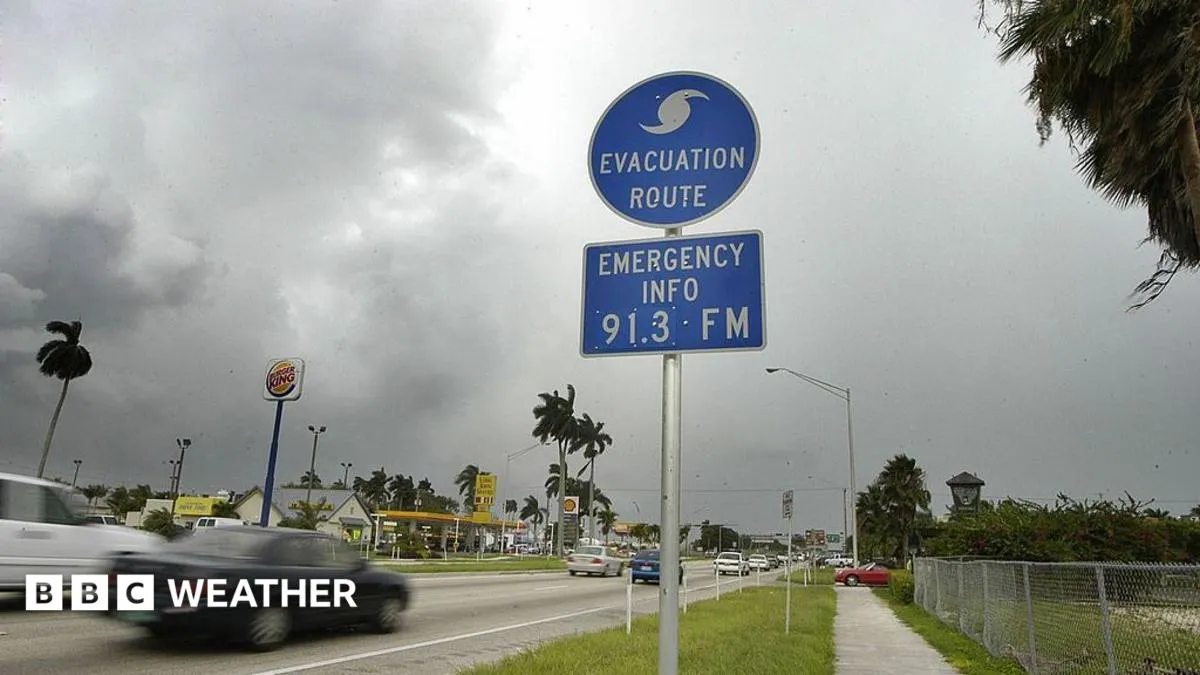
BBC News - WorldFIG 01
Reading time
2min
Word count
391words
Sources cited
2cited
Entities identified
8entities
Quality score
100%
§ 01
Briefing Summary
AI-generatedNEWSAR · AI
For the first time in over 30 years, no Atlantic hurricanes have formed in September, typically the most active month. This unusual lack of activity is primarily attributed to El Niño, a natural warming of the tropical Pacific. El Niño disrupts global weather patterns by increasing upper-level winds over the Atlantic, creating wind shear that prevents thunderstorms from developing into hurricanes. In contrast, El Niño has fueled a highly active hurricane season in the eastern North Pacific, with record-breaking sea surface temperatures and numerous major hurricanes. The US National Hurricane Center had predicted a quieter Atlantic season due to El Niño, and the current conditions suggest a possibility of the Atlantic hurricane season concluding without any hurricanes forming.
Confidence 0.90Sources 2Claims 5Entities 8
§ 02
Article analysis
Model · rule-basedFraming
Environmental
Human Interest
Tone
Measured
AI-assessed
CalmNeutralAlarmist
Factuality
0.80 / 1.00
Factual
LowHigh
Sources cited
2
Limited
FewMany
§ 03
Key claims
5 extracted01
El Niño traditionally stifles hurricane activity in the Atlantic but brings a very active season in the eastern North Pacific.
factual
Confidence
1.00
02
For the first time in over 30 years, no hurricane has formed in the Atlantic during September.
factual
Confidence
1.00
03
The eastern North Pacific has seen 17 named storms, including nine hurricanes, with ACE 2.5 times higher than normal.
statistic
Confidence
0.90
04
Increased upper wind shear over the Atlantic during El Niño prevents thunderstorms from developing into hurricanes.
factual
Confidence
0.90
05
The US National Hurricane Center predicted 3-6 hurricanes and 1-3 major hurricanes for the 2026 Atlantic season.
predictionUS National Hurricane Center
Confidence
0.90
§ 04
Full report
2 min read · 391 words§ 05
Entities
8 identifiedKey playerOppositionContextPositiveNeutralNegative
Locations5
§ 06
Keywords & salience
9 termsel niño
1.00
atlantic hurricane season
1.00
wind shear
0.80
sea surface temperatures
0.70
eastern north pacific
0.60
tropical pacific
0.60
hurricane activity
0.50
accumulated cyclone energy
0.40
us national hurricane center
0.40
§ 07
Topic connections
Interactive graph Network visualization showing 51 related topics
View Full Graph Person Organization Location Event|Click node to navigate|Edge numbers = shared articles