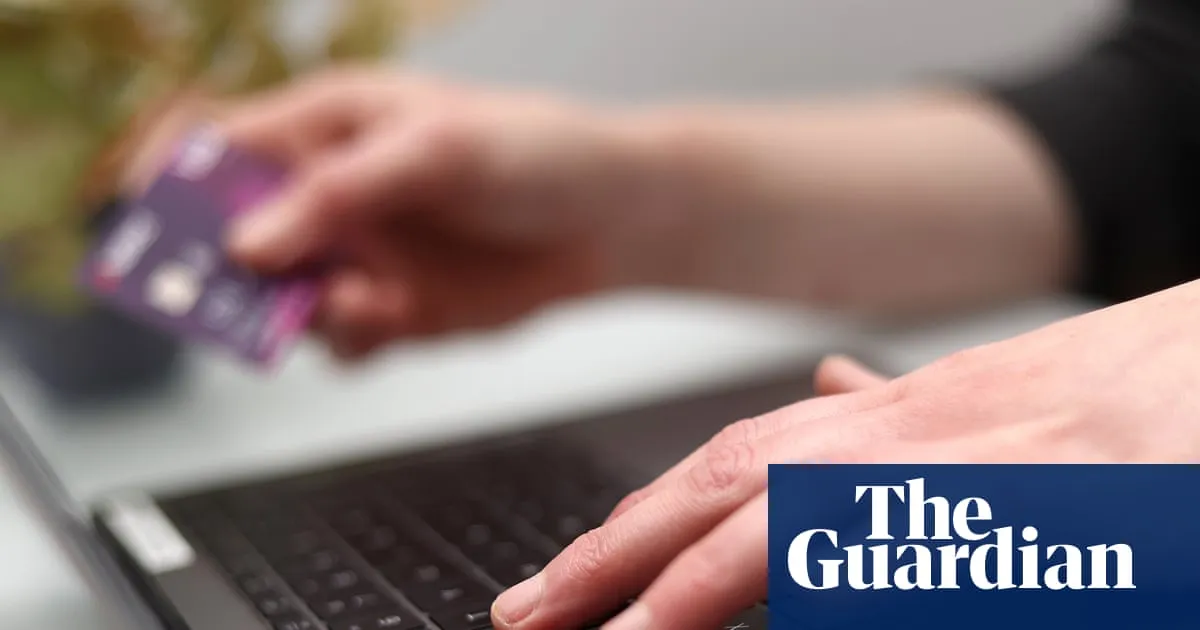
The total amount stolen by criminals who hack into people’s emails and social media accounts and then pretend to be them has risen by more than 400% in a year, official UK data shows.In many cases, the scammers are hijacking people’s accounts in order to use their identity to sell fake event tickets – such as to sold-out gigs – to unsuspecting friends and family.The total reported amount stolen via email and social media account hacking reached £6.3m in the 2025-26 financial year, compared with £1.2m in 2024-25, according to the Report Fraud service run by the City of London police, which holds national responsibility for economic crime.However, the true total may be much higher as many scam victims do not report the crime, often because they feel embarrassed, and sometimes because the individual amount of money involved was relatively small.The Guardian previously featured the case of a music fan whose Instagram account was targeted by hackers, who used her identity to advertise tickets to an Oasis gig and stole £1,400 from her friends. She said the hackers impersonated her so well that her friends and family genuinely thought they were speaking to her.Others have been scammed by fraudulent WhatsApp and text messages in which a criminal pretends to be their child or a relative who is in an emergency situation and urgently needs cash. This has been dubbed the “Hi mum” scam.Data from Santander has shown that among customers of the bank, fraudsters pretending to be someone’s son were the most successful at extracting cash, followed by daughters.Ch Supt Amanda Wolf, head of Report Fraud operations, said: “For most people, being hacked isn’t just a cyber issue – it’s personal. It can leave victims locked out of important accounts, worried about what information has been accessed, and concerned that criminals may use their identity to target others.”She added that what starts with one compromised account “can quickly impact family, friends and colleagues as fraudsters exploit trusted relationships to commit further fraud”.skip past newsletter promotionafter newsletter promotionReport Fraud is launching an awareness campaign urging the public to protect their online accounts from hackers by switching to passkeys where they are available. A passkey uses an individual’s device and biometrics to authenticate them and cannot be hacked like a password.
SRCThe Guardian - World News
LANGEN
LEANCenter-Left
WORDS379
ENT12
SUN · 2026-10-04 · 23:01 GMTBRIEF NSR-2026-1005-116317
NSR-2026-1005-116317News Report·EN·Economic Impact
Money stolen by scammers hijacking UK social media accounts rises 400%
Official UK data reveals a significant surge in money stolen through social media and email account hijacking, with reported losses increasing by over 400% in the 2025-26 financial year to £6.3 million, up from £1.2 million in 2024-25. Criminals are impersonating account holders to sell fake event tickets, often to friends and family, and are also perpetrating "Hi mum" scams by pretending to be relatives in emergencies.
Rupert JonesThe Guardian - World NewsFiled 2026-10-04 · 23:01 GMTLean · Center-LeftRead · 2 min
The Guardian - World NewsFIG 01
Reading time
2min
Word count
379words
Sources cited
3cited
Entities identified
12entities
Quality score
100%
§ 01
Briefing Summary
AI-generatedNEWSAR · AI
Official UK data reveals a significant surge in money stolen through social media and email account hijacking, with reported losses increasing by over 400% in the 2025-26 financial year to £6.3 million, up from £1.2 million in 2024-25. Criminals are impersonating account holders to sell fake event tickets, often to friends and family, and are also perpetrating "Hi mum" scams by pretending to be relatives in emergencies. This trend highlights the personal impact of account hacking, leading to victims being locked out of accounts and worried about identity misuse. Report Fraud is launching an awareness campaign encouraging the public to adopt passkeys for enhanced online account security.
Confidence 0.90Sources 3Claims 5Entities 12
§ 02
Article analysis
Model · rule-basedFraming
Economic Impact
Human Interest
Tone
Mixed Tone
AI-assessed
CalmNeutralAlarmist
Factuality
0.80 / 1.00
Factual
LowHigh
Sources cited
3
Well sourced
FewMany
§ 03
Key claims
5 extracted01
Being hacked is personal and can lead to victims being locked out of accounts and worried about accessed information.
quoteCh Supt Amanda Wolf
Confidence
1.00
02
Reported stolen amount via email/social media hacking reached £6.3m in 2025-26, up from £1.2m in 2024-25.
statisticReport Fraud service (City of London police)
Confidence
1.00
03
Total amount stolen by criminals hacking UK social media accounts rose over 400% in a year.
statisticReport Fraud service (City of London police)
Confidence
1.00
04
The 'Hi mum' scam involves fraudsters pretending to be a relative in an emergency needing cash.
factualArticle
Confidence
0.90
05
Scammers often hijack accounts to sell fake event tickets to friends and family.
factualArticle
Confidence
0.90
§ 04
Full report
2 min read · 379 words§ 05
Entities
12 identifiedKey playerOppositionContextPositiveNeutralNegative
Organizations7
Locations1
§ 06
Keywords & salience
9 termssocial media hacking
1.00
online account compromise
0.90
fraudulent ticket sales
0.80
identity theft
0.70
impersonation scam
0.60
scam victims
0.60
passkeys
0.50
economic crime
0.40
cybersecurity
0.40
§ 07
Topic connections
Interactive graph Network visualization showing 51 related topics
View Full Graph Person Organization Location Event|Click node to navigate|Edge numbers = shared articles