Symptoms include shortness of breath, chest pain, and often coughing up blood.It's regarded as being more serious but less common than bubonic plague. The global number of infections of all three types of plague varies each year, but it is probably somewhere between 1,000 to 3,000 cases. Most of these are bubonic plague, and many of them occur in central Africa, but cases also develop in other places, including Russia, India, China, and the United States.Prof Piero Olliaro is Professor of Poverty-Related Infectious Diseases at the University of Oxford.He said: "Plague itself has not disappeared: the bacterium that causes it, Yersinia pestis, persists in animal reservoirs across many parts of the world."Around 200 rodent species can harbour the bacterium, with reservoirs found across the Americas, Eurasia and Africa. "Sporadic human cases therefore continue to occur, but established surveillance, infection-control measures and effective antibiotic treatment are important tools for limiting their impact."
SRCBBC News - World
LANGEN
LEANCenter
WORDS151
ENT12
TUE · 2026-10-06 · 15:35 GMTBRIEF NSR-2026-1006-116962
NSR-2026-1006-116962News Report·EN·Public Health
What is pneumonic plague and how does it spread?
Pneumonic plague is a serious, less common form of plague characterized by symptoms like shortness of breath, chest pain, and coughing up blood. The bacterium causing plague, *Yersinia pestis*, persists in animal reservoirs globally, with around 200 rodent species capable of harboring it.
15 hours agoShareSaveAdd as preferred on GoogleDominic HughesHealth correspondentBBC News - WorldFiled 2026-10-06 · 15:35 GMTLean · CenterRead · 1 min
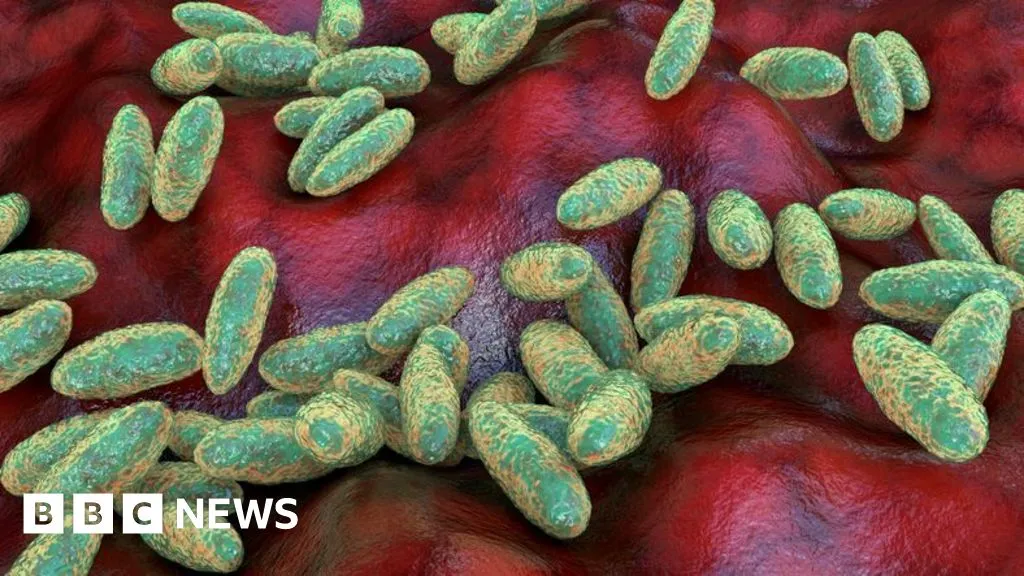
BBC News - WorldFIG 01
Reading time
1min
Word count
151words
Sources cited
1cited
Entities identified
12entities
Quality score
100%
§ 01
Briefing Summary
AI-generatedNEWSAR · AI
Pneumonic plague is a serious, less common form of plague characterized by symptoms like shortness of breath, chest pain, and coughing up blood. The bacterium causing plague, *Yersinia pestis*, persists in animal reservoirs globally, with around 200 rodent species capable of harboring it. Sporadic human cases continue to occur, with estimates of 1,000 to 3,000 global infections annually, primarily bubonic plague, in regions including central Africa, Russia, India, China, and the United States. Established surveillance, infection-control measures, and antibiotic treatment are crucial for limiting the impact of these ongoing cases.
Confidence 0.90Sources 1Claims 5Entities 12
§ 02
Article analysis
Model · rule-basedFraming
Public Health
Tone
Measured
AI-assessed
CalmNeutralAlarmist
Factuality
0.90 / 1.00
Factual
LowHigh
Sources cited
1
Limited
FewMany
§ 03
Key claims
5 extracted01
Sporadic human cases of plague continue to occur, but surveillance, infection control, and antibiotics limit their impact.
quoteProf Piero Olliaro
Confidence
1.00
02
The bacterium Yersinia pestis, which causes plague, persists in animal reservoirs across many parts of the world.
quoteProf Piero Olliaro
Confidence
1.00
03
Pneumonic plague is regarded as more serious but less common than bubonic plague.
factual
Confidence
1.00
04
Symptoms of pneumonic plague include shortness of breath, chest pain, and coughing up blood.
factual
Confidence
1.00
05
The global number of infections of all three types of plague varies each year, estimated between 1,000 to 3,000 cases.
statistic
Confidence
0.90
§ 04
Full report
1 min read · 151 words§ 05
Entities
12 identifiedKey playerOppositionContextPositiveNeutralNegative
Locations7
§ 06
Keywords & salience
9 termspneumonic plague
1.00
yersinia pestis
0.80
bubonic plague
0.70
infectious diseases
0.60
animal reservoirs
0.60
infection control
0.50
antibiotic treatment
0.50
symptoms
0.40
rodent species
0.40
§ 07
Topic connections
Interactive graph Network visualization showing 12 related topics
View Full Graph Person Organization Location Event|Click node to navigate|Edge numbers = shared articles