In ancient China, royal families washed elephants to pray for good fortune – until one elephant went rogue and brought the tradition to an end. Elephants had been spotted and documented in China as early as 4000 BC. They are believed to have once been familiar animals in the Central Plains before gradually migrating south to more remote regions. From the Han dynasty (202 BC–220), elephants were presented as tribute to the royal court. They carried deeply auspicious meanings: the Chinese word for...
SRCSouth China Morning Post
LANGEN
LEANCenter-Right
WORDS83
ENT3
FRI · 2026-10-09 · 02:50 GMTBRIEF NSR-2026-1009-117520
NSR-2026-1009-117520News Report·EN·Human Interest
Sacred splashes: ancient Chinese ritual of ‘elephant washing’ for good fortune
Ancient Chinese royal families practiced a ritual of washing elephants to pray for good fortune. Elephants were known in China as early as 4000 BC and were presented as tribute to the royal court from the Han dynasty onwards, carrying auspicious meanings.
Fran LuSouth China Morning PostFiled 2026-10-09 · 02:50 GMTLean · Center-RightRead · 1 min
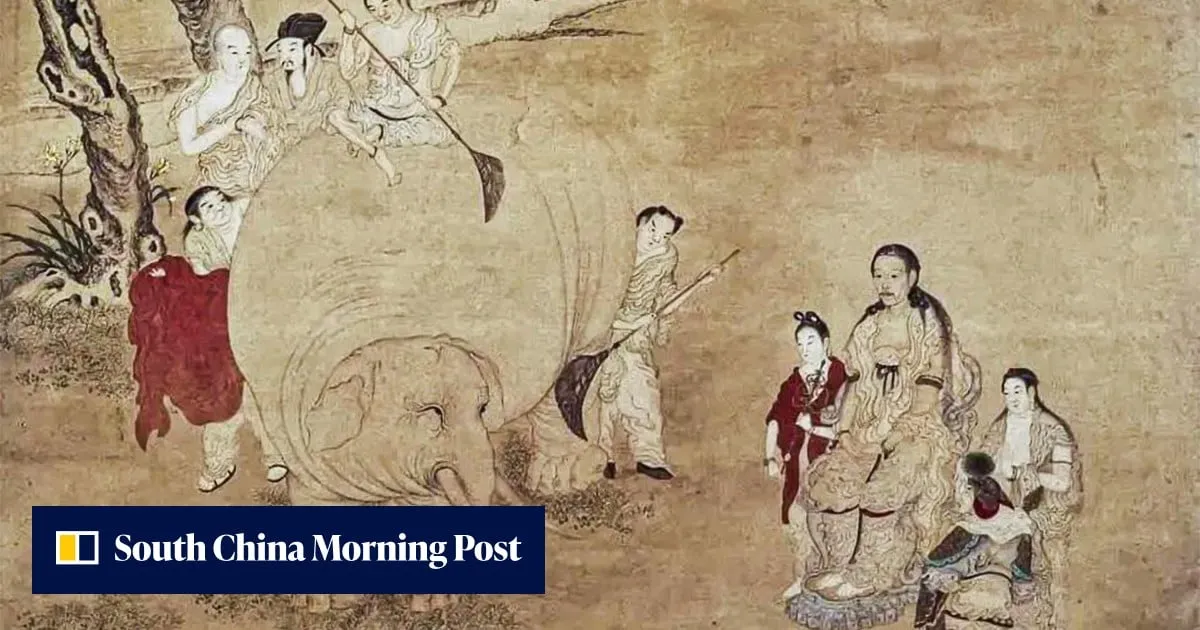
South China Morning PostFIG 01
Reading time
1min
Word count
83words
Sources cited
0cited
Entities identified
3entities
Quality score
100%
§ 01
Briefing Summary
AI-generatedNEWSAR · AI
Ancient Chinese royal families practiced a ritual of washing elephants to pray for good fortune. Elephants were known in China as early as 4000 BC and were presented as tribute to the royal court from the Han dynasty onwards, carrying auspicious meanings. This tradition, however, was discontinued after an incident where an elephant became unruly. The article notes that elephants were once more common in the Central Plains before migrating south.
Confidence 0.85Claims 5Entities 3
§ 02
Article analysis
Model · rule-basedFraming
Human Interest
Tone
Measured
AI-assessed
CalmNeutralAlarmist
Factuality
0.70 / 1.00
Factual
LowHigh
Sources cited
0
No named sources
FewMany
§ 03
Key claims
5 extracted01
Elephants carried deeply auspicious meanings in ancient Chinese culture.
factual
Confidence
0.90
02
From the Han dynasty, elephants were presented as tribute to the royal court.
factual
Confidence
0.90
03
In ancient China, royal families washed elephants to pray for good fortune.
factual
Confidence
0.90
04
Elephants were documented in China as early as 4000 BC.
factual
Confidence
0.90
05
One rogue elephant ended the tradition of elephant washing in ancient China.
factual
Confidence
0.80
§ 04
Full report
1 min read · 83 words§ 05
Entities
3 identifiedKey playerOppositionContextPositiveNeutralNegative
§ 06
Keywords & salience
8 termselephant washing ritual
1.00
ancient china
0.90
good fortune
0.80
royal families
0.70
han dynasty
0.60
auspicious meanings
0.50
elephants
0.50
tradition
0.40
§ 07
Topic connections
Interactive graph Network visualization showing 51 related topics
View Full Graph Person Organization Location Event|Click node to navigate|Edge numbers = shared articles