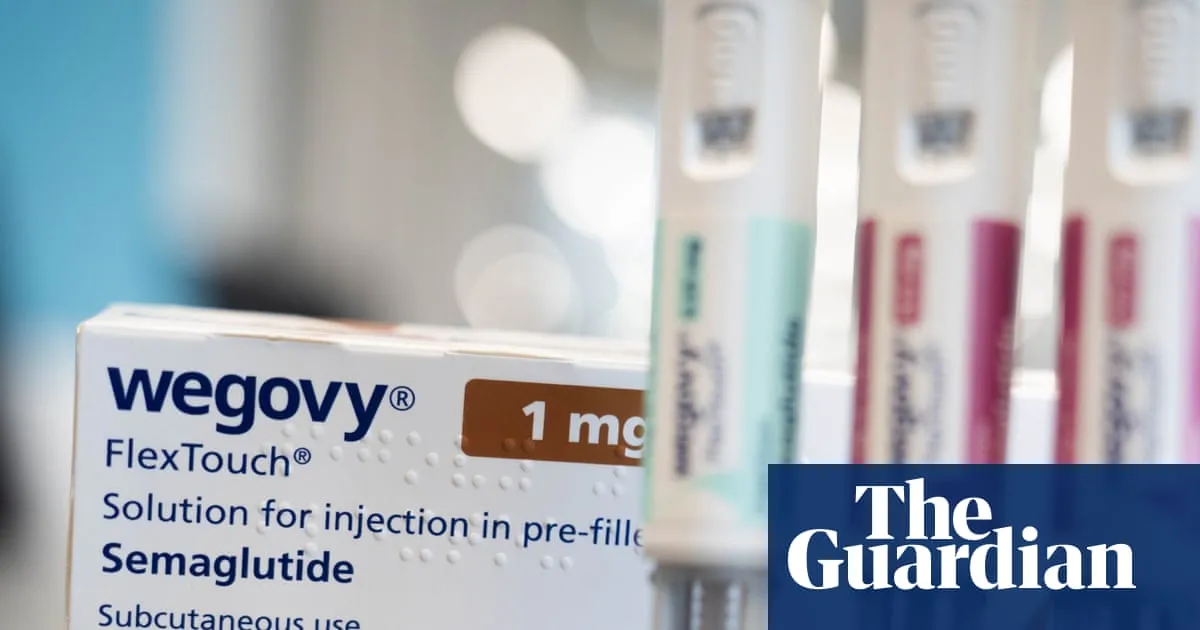
Symptoms of polyendrocrine metabolic ovarian syndrome include weight gain, hair loss and irregular periods. Photograph: James Manning/PA View image in fullscreen Symptoms of polyendrocrine metabolic ovarian syndrome include weight gain, hair loss and irregular periods. Photograph: James Manning/PA Women with PMOS should get subsidised weight-loss drugs, Australian advocates say With GLP-1s to treat the condition not specifically approved by the TGA, patients are being prescribed them off-label Get our breaking news email, free app or daily news podcast Women living with a chronic hormonal condition should have access to taxpayer-funded weight-loss medications, advocates say. The Australia" class="entity-link entity-organization" data-entity-id="215807" data-entity-type="organization">Polyendrocrine Metabolic Ovarian Syndrome Association of Australia (POSAA) is urging for GLP-1 drugs to be approved on the Pharmaceutical Benefits Scheme for people living with the condition. Formerly known as polycystic ovarian syndrome, PMOS affects one in eight women. Symptoms can include irregular periods, excess hair growth on the body and face, weight gain and hair thinning. The lifelong condition, for which there is no cure, can lead to an increased risk of type 2 diabetes, cardiovascular disease and endometrial cancer. While GLP-1s are not specifically approved by the Therapeutic Goods Administration to treat PMOS, patients are being prescribed the medications off-label. Half a million Australians are estimated to be using weight-loss medications regularly, a University of New South Wales study found in July. Lorna Berry, a spokesperson for the POSAA who was diagnosed with the condition at 32, said she would welcome GLP-1s being subsidised for patients diagnosed with PMOS, in addition to funding for evidence-based research. “It’s important for people to have access to medications, irrespective of where they live or where they were born … it’s really important that there’s equitable access,” she told the Guardian. Berry said some women living with the condition were already missing out on being able to access the medications due to their high cost, which can set patients back several hundred dollars each month. Associate professor Magdalena Simonis, the women’s health spokesperson for the Royal Australasian College of Physicians, said the college did not currently have a position on whether GLP-1s were appropriate for the management of PMOS. “They’re not necessarily the only tool we have available to us, and that is important because long-term use is expensive, and it doesn’t look like these are going to be on the PBS anytime soon, and maybe not ever for conditions such as PMOS,” she said. “Because traditionally women’s conditions are not included in these changes.” Simonis, a GP with an expert interest in PMOS, said should research find the weight-loss medications more effective than existing treatments, a broader discussion about health equity would be needed. “That is a conversation that we’re having about obesity as a national issue,” she said. GLP-1 drugs – glucagon-like peptide-1 receptor agonists – mimic a naturally occurring hormone which helps manage blood sugar levels and reduces hunger. Ozempic is listed by the PBS, but only for the treatment of diabetes. The Pharmaceutical Benefits Advisory Committee last November recommended Wegovy be subsidised for those with a body mass index above 35. The committee will meet next month when it will consider Novo Nordisk’s revised proposal to list Wegovy for obesity following protracted negotiations. The Danish pharmaceutical company produces both Ozempic and Wegovy. They contain the same active ingredient – semaglutide – but Wegovy has a higher dose. “Novo Nordisk is continuing to work constructively with the Department of Health to try to negotiate a solution for the PBS listing of Wegovy,” a company spokesperson said. “We remain committed to improving access for eligible Australians living with obesity.” QENDO, an organisation advocating for people affected by PMOS and other women’s health conditions, said it recognised “growing interest in GLP-1 medications for managing PMOS, particularly for people experiencing metabolic complications and challenges with weight management”. “While emerging evidence suggests potential benefits for some patients, further research is needed to establish their long-term effectiveness and safety specifically for PMOS,” QENDO’s acting chief executive, Kate Fisher, said. Explore more on these topics Polyendocrine metabolic ovarian syndrome (PMOS) Health Weight-loss drugs Women's health news Share Reuse this content
SRCThe Guardian - World News
LANGEN
LEANCenter-Left
WORDS680
ENT10
FRI · 2026-10-09 · 23:00 GMTBRIEF NSR-2026-1010-117755
NSR-2026-1010-117755News Report·EN·Social Justice
Women with PMOS should get subsidised weight-loss drugs, Australian advocates say
Australian advocates are calling for taxpayer-funded weight-loss medications, specifically GLP-1 drugs, to be approved on the Pharmaceutical Benefits Scheme (PBS) for women with Polyendrocrine Metabolic Ovarian Syndrome (PMOS). PMOS, formerly known as polycystic ovarian syndrome, affects one in eight women and can cause weight gain, irregular periods, and hair loss, increasing the risk of type 2 diabetes and cardiovascular disease.
Tess IkonomouThe Guardian - World NewsFiled 2026-10-09 · 23:00 GMTLean · Center-LeftRead · 3 min
The Guardian - World NewsFIG 01
Reading time
3min
Word count
680words
Sources cited
3cited
Entities identified
10entities
Quality score
100%
§ 01
Briefing Summary
AI-generatedNEWSAR · AI
Australian advocates are calling for taxpayer-funded weight-loss medications, specifically GLP-1 drugs, to be approved on the Pharmaceutical Benefits Scheme (PBS) for women with Polyendrocrine Metabolic Ovarian Syndrome (PMOS). PMOS, formerly known as polycystic ovarian syndrome, affects one in eight women and can cause weight gain, irregular periods, and hair loss, increasing the risk of type 2 diabetes and cardiovascular disease. While GLP-1s are not yet TGA-approved for PMOS, they are being prescribed off-label, but their high cost prevents many patients from accessing them. The Polyendrocrine Metabolic Ovarian Syndrome Association of Australia (POSAA) is urging for this subsidisation and funding for research. The Royal Australasian College of Physicians notes that while research is ongoing, GLP-1s are expensive and may not be listed on the PBS for PMOS.
Confidence 0.90Sources 3Claims 5Entities 10
§ 02
Article analysis
Model · rule-basedFraming
Social Justice
Public Health
Tone
Measured
AI-assessed
CalmNeutralAlarmist
Factuality
0.70 / 1.00
Factual
LowHigh
Sources cited
3
Well sourced
FewMany
§ 03
Key claims
5 extracted01
PMOS affects one in eight women and can lead to an increased risk of type 2 diabetes, cardiovascular disease, and endometrial cancer.
factualPolyendrocrine Metabolic Ovarian Syndrome Association of Australia (POSAA)
Confidence
0.95
02
The Royal Australasian College of Physicians does not currently have a position on whether GLP-1s are appropriate for PMOS management.
quoteMagdalena Simonis
Confidence
0.90
03
Half a million Australians are estimated to be using weight-loss medications regularly.
statisticUniversity of New South Wales study
Confidence
0.90
04
Australian advocates are urging for GLP-1 drugs to be approved on the Pharmaceutical Benefits Scheme for people living with PMOS.
quotePolyendrocrine Metabolic Ovarian Syndrome Association of Australia (POSAA)
Confidence
0.90
05
Some women living with PMOS are missing out on accessing weight-loss medications due to their high cost.
quoteLorna Berry
Confidence
0.85
§ 04
Full report
3 min read · 680 words§ 05
Entities
10 identifiedKey playerOppositionContextPositiveNeutralNegative
Organizations6
PM
Polyendrocrine Metabolic Ovarian Syndrome Association of Australia
NGOKey Player
2x
90
G1
GLP-1
CompanyContext
4x
70
PB
Pharmaceutical Benefits Scheme
GovernmentContext
70
TG
Therapeutic Goods Administration
GovernmentContext
60
UO
University of New South Wales
EducationalContext
50
RA
Royal Australasian College of Physicians
Educational
50
Locations1
Topics1
§ 06
Keywords & salience
10 termsweight-loss drugs
1.00
pmos
1.00
subsidised medications
0.90
glp-1 drugs
0.90
australian advocates
0.80
hormonal condition
0.70
off-label prescribing
0.60
pharmaceutical benefits scheme
0.50
equitable access
0.40
therapeutic goods administration
0.40
§ 07
Topic connections
Interactive graph No topic relationship data available yet. This graph will appear once topic relationships have been computed.