In 2014, Singapore passed the haze-pollution-act" class="entity-link entity-topic" data-entity-id="217374" data-entity-type="topic">Transboundary haze Pollution Act which allows the government to take action against local and foreign firms found to be contributing to the haze. The following year when Singapore saw a bad bout of haze, authorities issued summonses to several Indonesian companies thought to have cleared land by burning, in a bid to prosecute them under the new law.But that drew sharp ire from Jakarta, which said the move harmed bilateral ties. And with Indonesia refusing to cooperate, Singapore authorities said they could not obtain information about the suspected companies.Also in 2015, Indonesia's then-Vice-President Jusuf Kalla angered Singaporeans when he said that "for 11 months, they enjoyed nice air from Indonesia and they never thanked us... they have suffered because of the haze for one month and they get upset".Similar tensions surfaced again last weekend when Syahganda Nainggolan, who leads Indonesia's government communications agency, said the raging wildfires were beyond human control and added that the oxygen in neighbouring Singapore and Malaysia "also comes from our forests"."When there is no smoke, we send oxygen," he added, in a video that has been widely circulated on social media, triggering criticism and ridicule from Malaysians and Singaporeans.But Indonesia has in the past also apologised to its neighbours for causing the haze.
SRCBBC News - World
LANGEN
LEANCenter
WORDS213
ENT10
TUE · 2026-10-13 · 22:01 GMTBRIEF NSR-2026-1014-118723
NSR-2026-1014-118723News Report·EN·Diplomatic
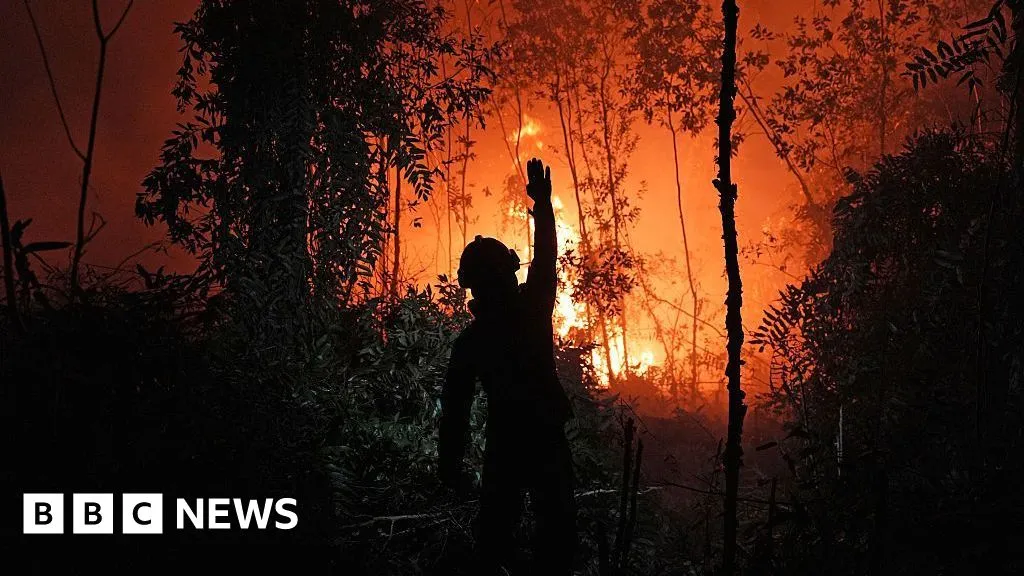
Who's to blame for the toxic smog choking South East Asia?
South East Asia is experiencing toxic smog, with anger directed at Indonesian companies accused of land burning and authorities for failing to prevent it. In 2014, Singapore enacted the Transboundary Haze Pollution Act, enabling action against firms contributing to the haze.
2 hours agoShareSaveAdd as preferred on GoogleKoh EweSingaporeBBC News - WorldFiled 2026-10-13 · 22:01 GMTLean · CenterRead · 1 min
BBC News - WorldFIG 01
Reading time
1min
Word count
213words
Sources cited
2cited
Entities identified
10entities
Quality score
100%
§ 01
Briefing Summary
AI-generatedNEWSAR · AI
South East Asia is experiencing toxic smog, with anger directed at Indonesian companies accused of land burning and authorities for failing to prevent it. In 2014, Singapore enacted the Transboundary Haze Pollution Act, enabling action against firms contributing to the haze. The following year, Singapore issued summonses to Indonesian companies for land clearing by burning, but Indonesia objected, citing harm to bilateral ties and refusing cooperation. Indonesian officials have also made controversial statements, suggesting neighboring countries benefit from Indonesian forests and should not be upset by the haze. While Indonesia has apologized for haze in the past, recent remarks have reignited tensions.
Confidence 0.90Sources 2Claims 4Entities 10
§ 02
Article analysis
Model · rule-basedFraming
Diplomatic
Environmental
Tone
Mixed Tone
AI-assessed
CalmNeutralAlarmist
Factuality
0.70 / 1.00
Factual
LowHigh
Sources cited
2
Limited
FewMany
§ 03
Key claims
4 extracted01
Syahganda Nainggolan claimed that wildfires were beyond human control and that Singapore and Malaysia's oxygen comes from Indonesian forests.
quoteSyahganda Nainggolan
Confidence
1.00
02
Indonesia's then-Vice-President Jusuf Kalla stated that Singapore enjoyed Indonesian air for 11 months and only suffered for one month due to haze.
quoteJusuf Kalla
Confidence
1.00
03
Singapore issued summonses to Indonesian companies in 2015 under the new law, which Jakarta opposed.
factual
Confidence
1.00
04
Singapore passed the Transboundary Haze Pollution Act in 2014 to address haze pollution.
factual
Confidence
1.00
§ 04
Full report
1 min read · 213 words§ 05
Entities
10 identifiedKey playerOppositionContextPositiveNeutralNegative
Locations5
§ 06
Keywords & salience
10 termstransboundary haze pollution
1.00
land clearing by burning
0.90
bilateral ties
0.80
indonesian companies
0.70
wildfires
0.70
air quality
0.60
diplomatic tensions
0.50
environmental regulation
0.50
singapore
0.40
indonesia
0.40
§ 07
Topic connections
Interactive graph Network visualization showing 51 related topics
View Full Graph Person Organization Location Event|Click node to navigate|Edge numbers = shared articles