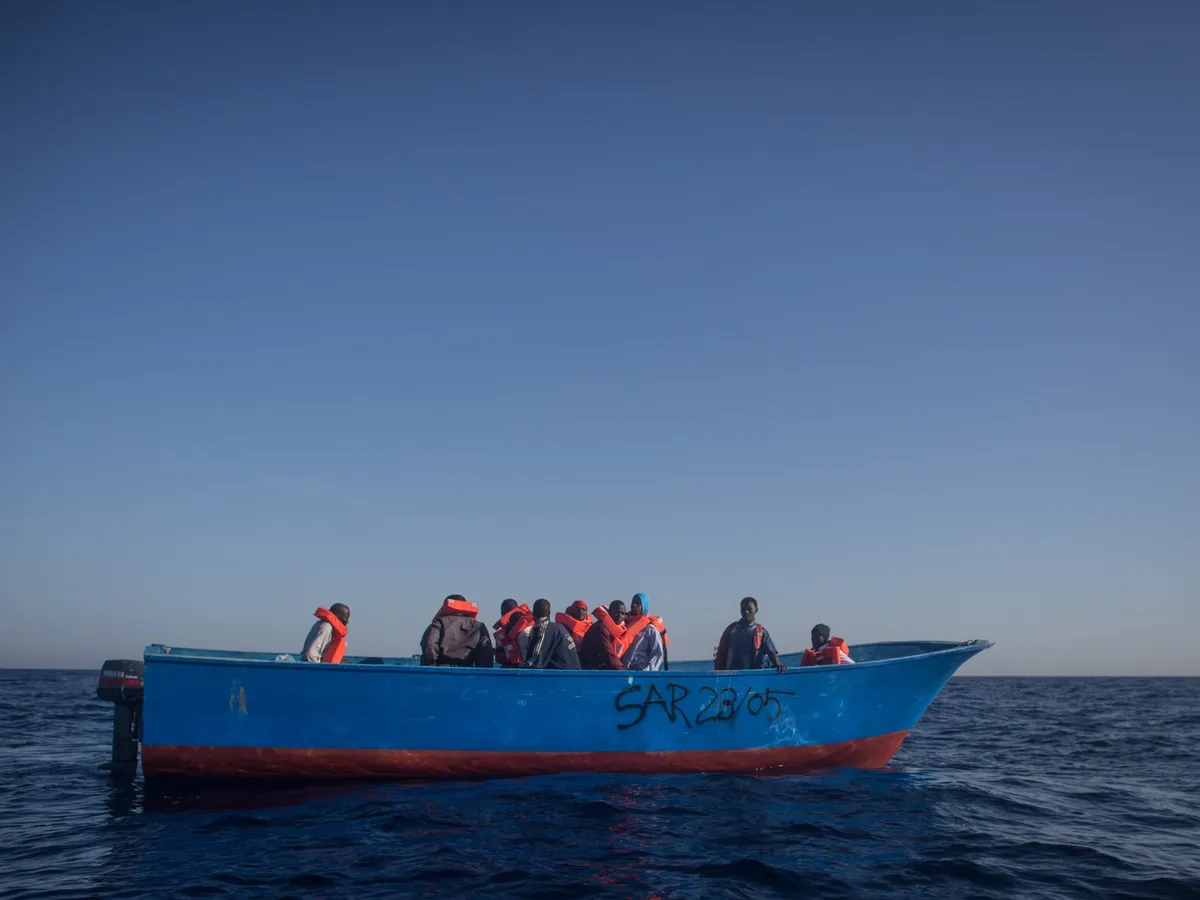
SMH says it can no longer afford search-and-rescue work in one of the world’ss most dangerous migration routes.A Spanish charity has postponed its next migrant rescue mission in the Central Mediterranean until next year due to rising fuel costs, underscoring the humanitarian impact of rising energy prices.Salvamento Maritimo Humanitario (Humanitarian Maritime Rescue, or SMH) said on Wednesday that the doubling of fuel prices forced it to shift its activities to waters around Valencia, southeastern Spain.Recommended Stories list of 4 itemslist 1 of 4Forty-two migrants presumed dead after shipwreck near Libya: UNlist 2 of 4‘Journey of hell’: Migrants in Libya endure torture, rape, forced labourlist 3 of 4Mediterranean migrant deaths mounting towards 1,000 in 2026: UNlist 4 of 4Deadly journeys: Refugees, migrants risk everything to reach Europeend of listThe group, which operates a fishing vessel converted into a rescue ship, also launched a crowdfunding campaign to cover the extra costs.The Central Mediterranean crossing from North Africa to Italy is one of the world’s most dangerous migration routes.Many of those attempt the crossing on overcrowded, unsuitable boats from Libya’s coast, which has been a main transit point for migrants fleeing war and poverty in Africa and the Middle East.A report released by the International Office for Migration said migrant sea crossings have dropped sharply since January this year.The agency said about 60,000 migrants and refugees reached Europe by boat so far in 2026, down 39 percent from roughly 98,000 over the same period last year.Despite the drop, at least 2,292 died or went missing attempting the crossing this year.Spanish NGO Open Arms has said it scaled back its Central Mediterranean missions in recent years, also due to rising fuel costs as well as Italy’s policy of assigning rescue vessels ports in Northern Italy.NGO ships from Spain typically sail for two to three days to reach their operating area, increasing costs and reducing time available for search-and-rescue work.
SRCAl Jazeera
LANGEN
LEANCenter
WORDS315
ENT12
WED · 2026-10-14 · 20:10 GMTBRIEF NSR-2026-1014-119018
NSR-2026-1014-119018News Report·EN·Economic Impact
Spanish NGO halts Mediterranean rescue operations, citing fuel prices
Spanish NGO Salvamento Maritimo Humanitario (SMH) has postponed its migrant rescue missions in the Central Mediterranean until next year due to soaring fuel prices. The organization, which uses a converted fishing vessel for its operations, stated that the doubling of fuel costs has forced them to shift their activities to waters near Valencia, southeastern Spain.
Al Jazeera StaffAl JazeeraFiled 2026-10-14 · 20:10 GMTLean · CenterRead · 2 min
Al JazeeraFIG 01
Reading time
2min
Word count
315words
Sources cited
2cited
Entities identified
12entities
Quality score
100%
§ 01
Briefing Summary
AI-generatedNEWSAR · AI
Spanish NGO Salvamento Maritimo Humanitario (SMH) has postponed its migrant rescue missions in the Central Mediterranean until next year due to soaring fuel prices. The organization, which uses a converted fishing vessel for its operations, stated that the doubling of fuel costs has forced them to shift their activities to waters near Valencia, southeastern Spain. This decision highlights the humanitarian consequences of rising energy prices on critical rescue efforts. The Central Mediterranean route from North Africa to Italy is considered one of the world's most perilous for migrants. Despite a reported drop in sea crossings this year, the International Office for Migration noted that at least 2,292 individuals have died or gone missing on this route so far in 2026. SMH has also launched a crowdfunding campaign to address the increased expenses.
Confidence 0.90Sources 2Claims 5Entities 12
§ 02
Article analysis
Model · rule-basedFraming
Economic Impact
Human Interest
Tone
Measured
AI-assessed
CalmNeutralAlarmist
Factuality
0.80 / 1.00
Factual
LowHigh
Sources cited
2
Limited
FewMany
§ 03
Key claims
5 extracted01
At least 2,292 migrants died or went missing attempting the crossing this year.
statisticInternational Office for Migration
Confidence
1.00
02
Migrant sea crossings to Europe have dropped sharply by 39 percent so far this year compared to last year.
statisticInternational Office for Migration
Confidence
1.00
03
Spanish charity SMH halts Mediterranean rescue operations due to rising fuel prices.
factualSalvamento Maritimo Humanitario (SMH)
Confidence
1.00
04
NGO ships from Spain face increased costs and reduced rescue time due to long travel distances to operating areas.
factual
Confidence
0.90
05
The Central Mediterranean crossing from North Africa to Italy is one of the world’s most dangerous migration routes.
factual
Confidence
0.90
§ 04
Full report
2 min read · 315 words§ 05
Entities
12 identifiedKey playerOppositionContextPositiveNeutralNegative
Organizations4
§ 06
Keywords & salience
10 termsmigrant rescue operations
1.00
fuel prices
0.90
central mediterranean
0.80
migration routes
0.70
humanitarian impact
0.60
search-and-rescue
0.60
refugees
0.50
spanish ngo
0.50
libya
0.40
crowdfunding
0.40
§ 07
Topic connections
Interactive graph No topic relationship data available yet. This graph will appear once topic relationships have been computed.