John Healey is poised to tax Britain’s banks in his 28 October budget to help offset the damage inflicted on the public finances by war in the Middle East, the Guardian understands.The chancellor is in Bangkok, where the International Monetary Fund has praised the UK’s progress towards balancing the books, urging him to “stay the course”.To keep the Treasury’s deficit reduction plans on track in the face of rising government borrowing costs, the Guardian understands Healey has decided to tap the financial sector for additional revenue.One option understood to be under discussion – reversing cuts to the bank surcharge made by Jeremy Hunt – would raise upwards of £2bn a year.Lenders have been logging strong earnings on the back of rising interest rates, with the UK’s four largest lenders – HSBC, NatWest, Barclays and Lloyds Banking Group – alone having generated £200bn in pre-tax profits over the past five years.Healey has repeatedly been urged by thinktanks and trades unions to tax Britain’s banks more heavily: an option considered but rejected by his predecessor, Rachel Reeves, who was wary of deterring future investment.Paul Nowak, the general secretary of the TUC, said: “Britain’s big four banks are making a billion pounds a week, while bonuses have hit a post-crash record. These are bumper profits – driven by high interest rates and households’ mortgage misery. It’s time to make sure banks pay their fair share.”Speaking to journalists in Bangkok, Healey praised the banks as crucial to supporting economic growth. “People too often see them as big distant financial institutions, when they are hardwired into the economic fabric of this country and our future prospects,” he said.But he is nevertheless believed to be minded to increase the surcharge banks pay on their profits, over and above corporation tax. Industry figures believe that will probably mean raising the surcharge back to 8%, from 3% at present.The UK’s cost of borrowing has risen sharply in recent weeks, alongside that of other big economies, as bond markets have responded to the prospect of higher inflation as a result of the Middle East conflict.Analysts have suggested that could as much as halve the £24bn cushion Reeves had built up against Labour’s fiscal rules at the time of spring forecast in March.Bank bosses have been lobbying intensively against tax rises since narrowly escaping higher levies during last year’s budget. Photograph: Hollie Adams/ReutersHealey is understood to be willing to accept a narrower “headroom” – but is also keen to convince bond markets he is wedded to deficit reduction.Bank bosses have been lobbying intensively against tax rises since narrowly escaping higher levies during last year’s budget. UK bosses of lenders including HSBC, Lloyds, NatWest, Barclays and Santander met Healey last week but were given no reassurance that bank tax hikes had been ruled out. Their lobby groups – including UK Finance and TheCityUK – wrote to Healey days later, saying that on top of “weakening investors confidence and damaging UK attractiveness”, higher taxes would force them to move staff and business out of the country. That echoed warnings by the chief executive of JP Morgan, Jamie Dimon, who said in May he could scrap plans for a new £3bn London headquarters if the UK government became hostile towards banks. News of the tower – which will house more than half of the US investment bank’s 23,000 UK staff – was unveiled just days after Reeves spared the sector of further tax rises in her 2025 autumn budget.However, industry sources now say they are resigned to a rise in the surcharge. They believe Healey is minded to reverse Hunt’s cut – taking it back to 8% – but not go further. Such a move would raise £2.25bn a year, according to analysis by the Trades Union Congress.Healey has also been “listening to representations” from specialist banks including Revolut and Shawbrook that want the profit threshold at which the surcharge kicks in to be raised from £100m to £500m.One government source said Labour was mindful of the UK needing to offer a positive environment for startup banks and especially the lending they offered to small businesses.skip past newsletter promotionafter newsletter promotionThe TUC has lobbied for a much more punitive increase, to 16%, saying that could raise £24bn in tax revenues over the next four years.Healey said he wanted his first budget as chancellor to give “breathing space” to both consumers and businesses in the face of rising energy prices.Healey stressed government departments would have to stick to the budgets Reeves set out at her 2025 spending review. Photograph: House of Commons/ReutersThere will be little additional funding for other Whitehall departments, however, which he stressed would have to stick to the budgets Reeves set out at her spending review in June 2025.“It’s important that they do manage within what they’ve got, and it’s part of the job,” Healey said. “You have to reprioritise if you want to do fresh things, or more.”The Institute for Fiscal Studies has said Reeves’s plans could result in real-terms spending cuts for some departments in the later years of the spending review period.The Conservative leader, Kemi Badenoch, used a visit to a financial services firm in Edinburgh on Thursday to caution against further banking tax rises, saying the sector already faced a higher effective tax rate than many other big global financial centres.Andrew Griffith, the shadow chancellor, said: “Britain needs growth. But a raid on the financial services sector will stifle it. Labour should be backing businesses and wealth-creators, not making their lives even harder. Rather than hiking taxes yet again, Labour should cut spending.”As well as an energy support package for households and businesses, his first budget is expected to set out more details of plans to devolve income tax to mayoralties; and explain how the government will fully fund the four-year defence investment plan announced by Keir Starmer before he stepped down as prime minister.Healey is expected to duck the longer-term question of when the UK will spend 3% of gross domestic product on defence – the issue over which he resigned as defence secretary in June, contributing to Starmer’s downfall.
SRCThe Guardian - World News
LANGEN
LEANCenter-Left
WORDS1 014
ENT12
THU · 2026-10-15 · 16:17 GMTBRIEF NSR-2026-1015-119267
NSR-2026-1015-119267News Report·EN·Economic Impact
John Healey poised to raise taxes on banks in budget
Chancellor John Healey is reportedly planning to increase taxes on British banks in his upcoming budget on October 28th. This move aims to generate additional revenue to offset the impact of the Middle East conflict on public finances.
Heather Stewart, Jessica Elgot and Kalyeena MakortoffThe Guardian - World NewsFiled 2026-10-15 · 16:17 GMTLean · Center-LeftRead · 5 min
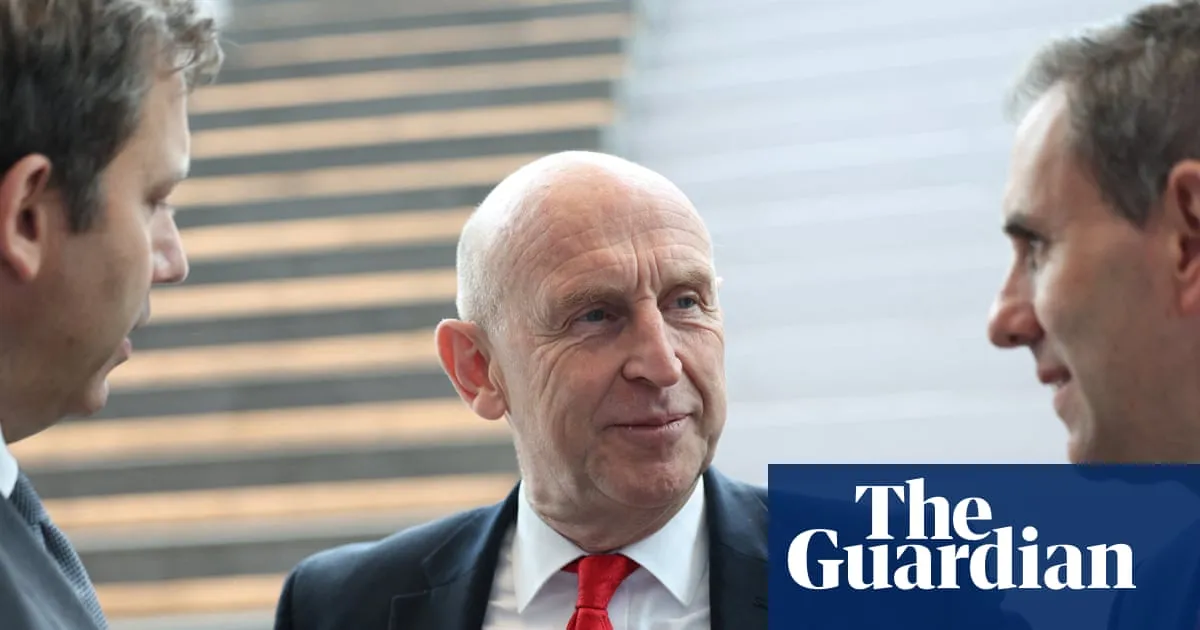
The Guardian - World NewsFIG 01
Reading time
5min
Word count
1 014words
Sources cited
5cited
Entities identified
12entities
Quality score
100%
§ 01
Briefing Summary
AI-generatedNEWSAR · AI
Chancellor John Healey is reportedly planning to increase taxes on British banks in his upcoming budget on October 28th. This move aims to generate additional revenue to offset the impact of the Middle East conflict on public finances. One proposed measure is to reverse previous cuts to the bank surcharge, potentially raising over £2 billion annually. This comes as banks have reported strong earnings due to rising interest rates. While bank bosses have lobbied against tax increases, citing concerns about investor confidence and business relocation, industry sources suggest they anticipate a rise in the surcharge. Healey has also considered representations to adjust the profit threshold for the surcharge.
Confidence 0.90Sources 5Claims 5Entities 12
§ 02
Article analysis
Model · rule-basedFraming
Economic Impact
Political Strategy
Tone
Measured
AI-assessed
CalmNeutralAlarmist
Factuality
0.70 / 1.00
Factual
LowHigh
Sources cited
5
Well sourced
FewMany
§ 03
Key claims
5 extracted01
Paul Nowak (TUC) stated that Britain's big four banks are making a billion pounds a week while bonuses hit a post-crash record.
quotePaul Nowak
Confidence
1.00
02
UK's four largest lenders generated £200bn in pre-tax profits over the past five years.
statisticThe Guardian
Confidence
0.90
03
The UK's cost of borrowing has risen sharply in recent weeks due to the Middle East conflict.
factualThe Guardian
Confidence
0.80
04
John Healey is poised to raise taxes on banks in the upcoming budget.
factualThe Guardian
Confidence
0.80
05
Reversing cuts to the bank surcharge could raise upwards of £2bn a year.
statisticThe Guardian
Confidence
0.70
§ 04
Full report
5 min read · 1 014 words§ 05
Entities
12 identifiedKey playerOppositionContextPositiveNeutralNegative
People3
Organizations7
§ 06
Keywords & salience
10 termsbank tax
1.00
public finances
0.90
bank surcharge
0.90
john healey
0.80
deficit reduction
0.80
government borrowing costs
0.70
financial sector
0.60
rising interest rates
0.50
economic growth
0.40
middle east conflict
0.40
§ 07
Topic connections
Interactive graph Network visualization showing 51 related topics
View Full Graph Person Organization Location Event|Click node to navigate|Edge numbers = shared articles