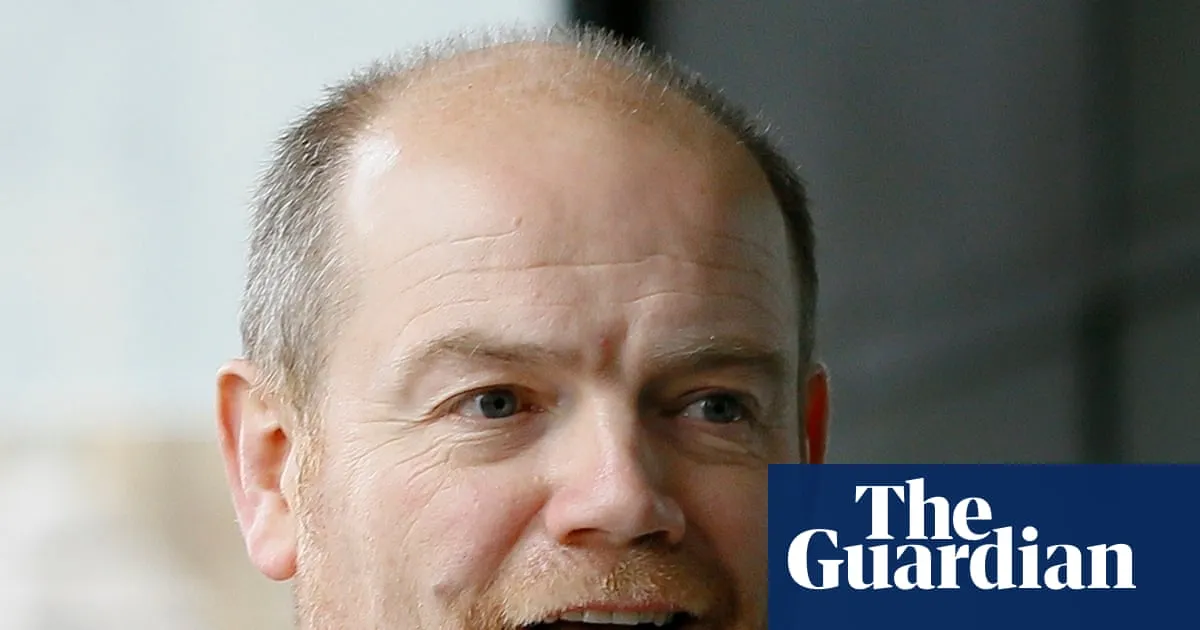
The former BBC director general Mark Thompson was sounded out about applying for a second stint leading the corporation, the Guardian understands.The BBC is in the process of searching for a new leader after the resignation of Tim Davie in November in the fallout from the way an edition of Panorama edited a Donald Trump speech.It is understood Thompson was approached informally about a surprise return to the BBC, but made clear that he was committed to running the news network CNN, where he is overseeing a major modernisation drive.The approach to Thompson is not a surprise to many in the industry. With the BBC under huge political pressure both from Trump and the political right in the UK, he is seen as one of the few figures with both the political skills and the stomach to take on the task.CNN insiders had been concerned that Thompson may be tempted by a return to the BBC, fearing that he may relish the challenge of heading the hugely significant talks over the corporation’s future and funding model.However, Thompson is understood to have expressed his commitment to CNN in large internal meetings in recent weeks. The closing date for potential candidates to replace Davie was the end of last year.The BBC and Thompson declined to comment. A CNN spokesperson reaffirmed that Thompson “remains committed to his role” at the network.The favourites to replace Davie are now thought to be Jay Hunt, a former BBC and Channel 4 executive now at Apple, the BBC’s former chief content officer Charlotte Moore, and the former Channel 4 chief executive Alex Mahon.Patrick Holland, the executive chair of the production giant Banijay UK, is admired within the BBC, but is said to be committed to his current role.Unlike many others to take up the task of leading the BBC, Thompson managed to leave the job at a time of his own choosing. He stepped down as the BBC’s director general in 2012, after the London Olympics, having been in the job for eight years. He then became chief executive of the New York Times until 2020.Thompson took over at the BBC at a time of crisis. He replaced Greg Dyke as director general, who had resigned, alongside the chair, Gavyn Davies, after criticism of the BBC in Lord Hutton’s report on the death of the government weapons inspector Dr David Kelly.While he left the corporation at a time of relative calm, Thompson did still have to deal with major crises during his tenure. They included rows about fixing phone-in competitions and abusive messages left by Russell Brand and Jonathan Ross on the voicemail of the actor Andrew Sachs.He also pushed through cuts at the BBC and had to deal with recurring industrial action as a result.Thompson has been overseeing an overhaul of CNN’s business model. Last year, he spearheaded the launch of its new All Access subscription streaming tier. Like many media companies, he has been keen to transform the network into a more subscription-based business, as advertising revenues have become more uncertain.CNN is part of Warner Bros Discovery (WBD), which is currently the subject of a fierce bidding war. However, it is part of the global networks operation of WBD, which is being spun off as a separate company later this year.
SRCThe Guardian - World News
LANGEN
LEANCenter-Left
WORDS546
ENT8
FRI · 2026-01-30 · 14:00 GMTBRIEF NSR-2026-0130-11989
NSR-2026-0130-11989News Report·EN·Political Strategy
Mark Thompson was approached about return to BBC as director general
Former BBC Director General Mark Thompson was approached about potentially returning to lead the corporation after Tim Davie's resignation in November. The BBC is seeking a new director general amidst political pressure and concerns over its future funding model.
Michael Savage Media editorThe Guardian - World NewsFiled 2026-01-30 · 14:00 GMTLean · Center-LeftRead · 3 min
The Guardian - World NewsFIG 01
Reading time
3min
Word count
546words
Sources cited
4cited
Entities identified
8entities
Quality score
100%
§ 01
Briefing Summary
AI-generatedNEWSAR · AI
Former BBC Director General Mark Thompson was approached about potentially returning to lead the corporation after Tim Davie's resignation in November. The BBC is seeking a new director general amidst political pressure and concerns over its future funding model. Thompson, currently the head of CNN, was considered due to his experience and political skills, but he reportedly declined, reaffirming his commitment to CNN. Several candidates are now considered frontrunners for the role, including Jay Hunt, Charlotte Moore, and Alex Mahon. Thompson previously served as BBC Director General from 2004 to 2012, navigating the corporation through various crises before becoming CEO of the New York Times.
Confidence 0.90Sources 4Claims 5Entities 8
§ 02
Article analysis
Model · rule-basedFraming
Political Strategy
Human Interest
Tone
Measured
AI-assessed
CalmNeutralAlarmist
Factuality
0.80 / 1.00
Factual
LowHigh
Sources cited
4
Well sourced
FewMany
§ 03
Key claims
5 extracted01
CNN spokesperson reaffirmed that Thompson “remains committed to his role” at the network.
quoteCNN spokesperson
Confidence
1.00
02
The closing date for potential candidates to replace Davie was the end of last year.
factualnull
Confidence
1.00
03
Tim Davie resigned in November in the fallout from the way an edition of Panorama edited a Donald Trump speech.
factualnull
Confidence
1.00
04
Thompson is committed to running the news network CNN.
factualnull
Confidence
0.90
05
Mark Thompson was approached about applying for a second stint leading the BBC.
factualThe Guardian
Confidence
0.90
§ 04
Full report
3 min read · 546 words§ 05
Entities
8 identifiedKey playerOppositionContextPositiveNeutralNegative
People5
Organizations1
§ 06
Keywords & salience
9 termsbbc director general
1.00
mark thompson
0.90
leadership search
0.70
tim davie resignation
0.60
cnn
0.60
political pressure
0.50
funding model
0.50
panorama editing
0.40
news network
0.40
§ 07
Topic connections
Interactive graph Network visualization showing 51 related topics
View Full Graph Person Organization Location Event|Click node to navigate|Edge numbers = shared articles