New budget includes a $7.6m military spending increase and aims to cut the deficit to 5 percent by the end of 2026.Published On 2 Feb 2026France has passed a budget for 2026 after two no-confidence motions failed, allowing the legislation to pass and potentially heralding a period of relative stability for Prime Minister Sebastien Lecornu’s weak minority government.The budget, adopted on Monday after four months of political deadlock over government spending, includes measures to bring France’s deficit down and boost military spending.Recommended Stories list of 3 itemslist 1 of 3Why Japan’s economic plans are sending jitters through global marketslist 2 of 3Guterres warns UN faces ‘imminent financial collapse’list 3 of 3India’s budget bets on infrastructure, manufacturing amid global trade warend of list“France finally has a budget,” Lecornu said in a post on X. “A budget that makes clear choices and addresses essential priorities. A budget that contains public spending and does not raise taxes for households and businesses.”Motions tabled by France-unbowed" class="entity-link entity-organization" data-entity-id="14519" data-entity-type="organization">France Unbowed, the Greens and other left-wing groups drew 260 of the 289 votes needed to oust the government. The far-right motion secured only 135 votes.The results appear on a giant screen of the first vote on no-confidence motions against the 2026 finance bill [AFP]Budget negotiations have consumed the French political class for nearly two years, after President Emmanuel Macron’s 2024 snap election delivered a hung parliament just as a massive hole in public finances made belt-tightening more urgent.The budget talks have cost two prime ministers their jobs, unsettled debt markets and alarmed France’s European partners.However, Lecornu – whose chaotic two-stage nomination in October drew derision around the world – managed to secure the support of Socialist lawmakers through costly but targeted concessions.Reducing the deficitFrance is under pressure from the European Union to rein in its debt-to-GDP ratio – the bloc’s third-highest after Greece and Italy – which is close to twice the EU’s 60-percent ceiling.
SRCAl Jazeera
LANGEN
LEANCenter
WORDS316
ENT10
MON · 2026-02-02 · 21:08 GMTBRIEF NSR-2026-0202-12778
NSR-2026-0202-12778News Report·EN·Political Strategy
France adopts 2026 budget after two no-confidence votes fail
France's 2026 budget has been adopted after Prime Minister Sebastien Lecornu's government survived two no-confidence votes. The budget, passed after months of political deadlock, aims to reduce the country's deficit to 5 percent by the end of 2026 and includes a $7.6 million increase in military spending.
By News AgenciesAl JazeeraFiled 2026-02-02 · 21:08 GMTLean · CenterRead · 2 min
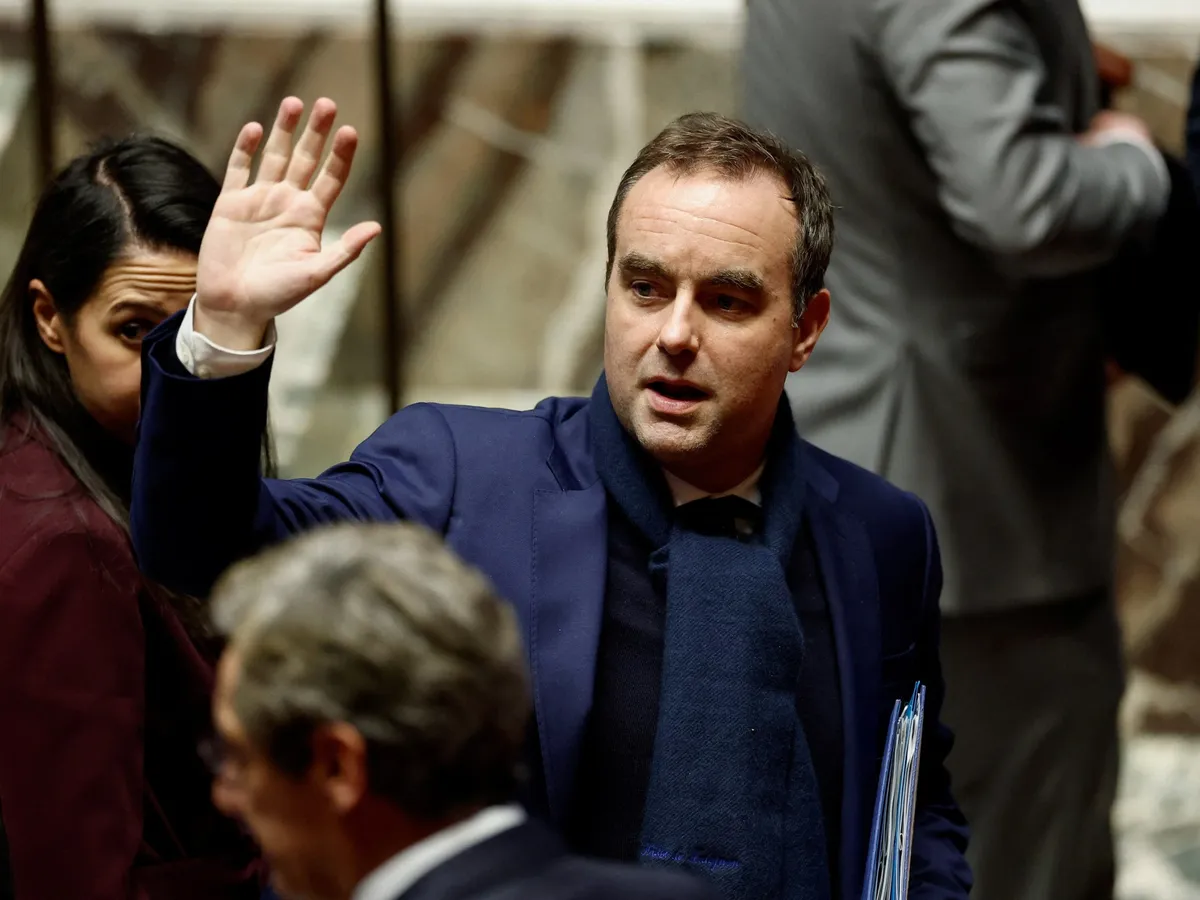
Al JazeeraFIG 01
Reading time
2min
Word count
316words
Sources cited
1cited
Entities identified
10entities
Quality score
100%
§ 01
Briefing Summary
AI-generatedNEWSAR · AI
France's 2026 budget has been adopted after Prime Minister Sebastien Lecornu's government survived two no-confidence votes. The budget, passed after months of political deadlock, aims to reduce the country's deficit to 5 percent by the end of 2026 and includes a $7.6 million increase in military spending. The failed no-confidence motions, brought by left-wing and far-right groups, signal potential stability for Lecornu's minority government. The budget negotiations have been ongoing for nearly two years due to a hung parliament and pressure from the EU to reduce France's debt-to-GDP ratio. Lecornu secured support from Socialist lawmakers through targeted concessions to pass the budget.
Confidence 0.90Sources 1Claims 5Entities 10
§ 02
Article analysis
Model · rule-basedFraming
Political Strategy
Economic Impact
Tone
Measured
AI-assessed
CalmNeutralAlarmist
Factuality
0.80 / 1.00
Factual
LowHigh
Sources cited
1
Limited
FewMany
§ 03
Key claims
5 extracted01
"France finally has a budget...A budget that contains public spending and does not raise taxes for households and businesses."
quoteSebastien Lecornu
Confidence
1.00
02
France is under pressure from the European Union to rein in its debt-to-GDP ratio.
factual
Confidence
1.00
03
The budget aims to cut the deficit to 5 percent by the end of 2026.
factual
Confidence
1.00
04
New budget includes a $7.6m military spending increase.
factual
Confidence
1.00
05
France adopts 2026 budget after two no-confidence votes fail.
factual
Confidence
1.00
§ 04
Full report
2 min read · 316 words§ 05
Entities
10 identifiedKey playerOppositionContextPositiveNeutralNegative
Organizations3
§ 06
Keywords & salience
9 terms2026 budget
1.00
no-confidence vote
0.80
france
0.80
deficit reduction
0.70
government spending
0.60
political deadlock
0.50
military spending
0.50
debt-to-gdp ratio
0.40
sebastien lecornu
0.40
§ 07
Topic connections
Interactive graph Network visualization showing 51 related topics
View Full Graph Person Organization Location Event|Click node to navigate|Edge numbers = shared articles