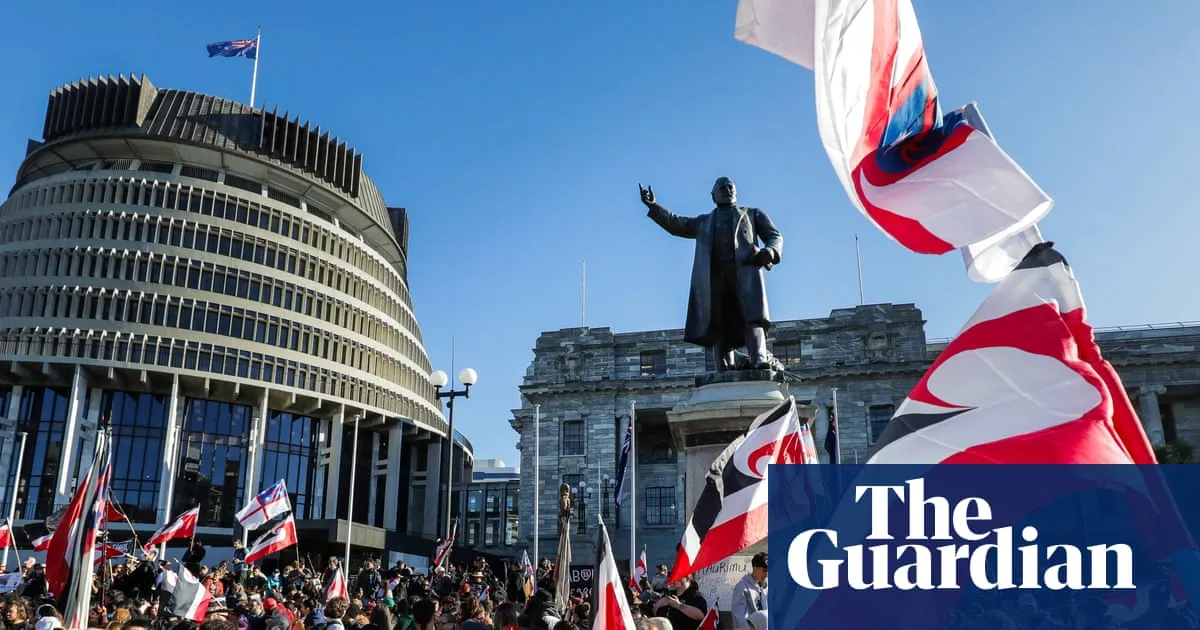
A United Nations committee has warned New Zealand is at serious risk of weakening Māori rights and entrenching disparities for the Indigenous population, in its most critical review of the country’s record on racial discrimination.Last month, the UN’s committee for the convention on the elimination of all forms of racial discrimination (CERD) examined New Zealand’s record as part of its eight year review cycle for signatories to the convention.Its 14-page report, released on 5 December, expressed concerns over multiple government policies affecting Māori, including the disestablishment of the Māori Health Authority, cuts to public funding for Māori services and minimising the role of the Treaty of Waitangi – the country’s founding document that is instrumental in upholding Māori rights – in schools and governance arrangements.The committee said it was concerned some of the government’s policies - including scrapping the Māori health authority and budget cuts to Māori departments - “may seriously risk weakening the legal, institutional and policy framework for the implementation” of the racial discrimination convention.Prominent Māori leader, Lady Tureiti Moxon, who presented a complaint over the government’s policies to the committee in Geneva, said the review was “unprecedented in both its length and its language”.“CERD is clear: New Zealand is moving backwards on racial equality, and Māori rights are under serious threat,” Moxon said.“This is the strongest critique of New Zealand CERD has ever issued. Unlike the 2017 review, which acknowledged progress, this report finds virtually no positive steps on Māori rights or racial equity,” she said.The committee raised concerns about persistent disparities for Māori, including in education, housing, health, and opportunities for Māori to participate in political and public life.“Additionally, the committee is concerned about the misrepresentation of affirmative action to address structural discrimination as “racial privilege” and “at odds with universal human rights” by some political and public figures,” the report said.It warned Māori political expression in parliament was “disproportionately scrutinised and sanctioned”, said recent law changes risked “significantly curtailing statutory protections of Māori land rights”. The report called on the government to strengthen the revitalisation of the Māori language.Additionally, the government’s moves to remove treaty clauses in legislation could “risk entrenching historical, structural, and systemic discrimination against Māori,” the report said.The committee requested the government report back on “concrete measures taken” to implement its recommendations, particularly around environmental protection, the over-representation of Māori in the justice system and strengthening Māori land rights.In a statement, the minister for Māori Crown relations, Tama Pokata, said he had not read the report yet, but the government was committed to improving quality of life and equity for Māori.Pokata said the review was one of a number of sources with “useful insights on issues of considerable importance in New Zealand” that were “longstanding and complex”.The coalition, made up of the centre-right National party and its minor coalition partners – the libertarian Act and populist NZ First parties – has said it wants to end “race-based policies”. Since taking office in 2023, it has ushered in sweeping reforms to policies affecting Māori.It has slashed obligations on schools and public services to take into consideration the treaty, and allowed a highly-controversial bill that sought to radically alter the way the treaty is interpreted, to be introduced to parliament. The bill was voted down at its second reading.
SRCThe Guardian - World News
LANGEN
LEANCenter-Left
WORDS545
ENT3
MON · 2025-12-08 · 02:10 GMTBRIEF NSR-2025-1208-1455
NSR-2025-1208-1455News Report·EN·Human Rights
UN report sounds alarm over Māori rights in New Zealand
A United Nations committee has issued a critical report warning that New Zealand risks weakening Māori rights and exacerbating racial disparities. The UN's Committee on the Elimination of Racial Discrimination (CERD) examined New Zealand's record and expressed concerns over government policies, including the disestablishment of the Māori Health Authority and cuts to Māori services.
Eva Corlett in WellingtonThe Guardian - World NewsFiled 2025-12-08 · 02:10 GMTLean · Center-LeftRead · 3 min
The Guardian - World NewsFIG 01
Reading time
3min
Word count
545words
Sources cited
2cited
Entities identified
3entities
Quality score
100%
§ 01
Briefing Summary
AI-generatedNEWSAR · AI
A United Nations committee has issued a critical report warning that New Zealand risks weakening Māori rights and exacerbating racial disparities. The UN's Committee on the Elimination of Racial Discrimination (CERD) examined New Zealand's record and expressed concerns over government policies, including the disestablishment of the Māori Health Authority and cuts to Māori services. The report highlights the potential weakening of the legal framework protecting Māori rights and the minimizing of the Treaty of Waitangi's role. Concerns were also raised about disparities in education, housing, health, and political participation for Māori, along with the misrepresentation of affirmative action. The committee urged the government to strengthen Māori language revitalization and cautioned against removing treaty clauses in legislation.
Confidence 0.90Sources 2Claims 5Entities 3
§ 02
Article analysis
Model · rule-basedFraming
Human Rights
Social Justice
Tone
Measured
AI-assessed
CalmNeutralAlarmist
Factuality
0.70 / 1.00
Factual
LowHigh
Sources cited
2
Limited
FewMany
§ 03
Key claims
5 extracted01
CERD is clear: New Zealand is moving backwards on racial equality.
quoteLady Tureiti Moxon
Confidence
1.00
02
The report expressed concerns over multiple government policies affecting Māori.
factualUN committee
Confidence
1.00
03
UN committee warned New Zealand is at serious risk of weakening Māori rights.
factualUN committee
Confidence
1.00
04
Recent law changes risked significantly curtailing statutory protections of Māori land rights.
factualUN committee
Confidence
0.90
05
The government’s moves to remove treaty clauses in legislation could risk entrenching discrimination.
factualUN committee
Confidence
0.80
§ 04
Full report
3 min read · 545 words§ 05
Entities
3 identifiedKey playerOppositionContextPositiveNeutralNegative
Organizations2
Locations1
§ 06
Keywords & salience
9 termsmāori rights
1.00
racial discrimination
0.90
new zealand
0.90
un cerd
0.80
treaty of waitangi
0.70
indigenous population
0.60
māori health authority
0.60
racial equality
0.50
māori language
0.40
§ 07
Topic connections
Interactive graph Network visualization showing 51 related topics
View Full Graph Person Organization Location Event|Click node to navigate|Edge numbers = shared articles