Prehistoric fossils from Kangaroo Island have been transformed into vibrant creatures of the deep for a series of artworks, which in turn have been made into a series of stamps.Dr Peter Trusler has used the latest research on the 512m-year-old fossils to make detailed, colourful illustrations, which Australia Post has released as a series called Creatures of the Palaeozoic.The Palaeozoic era was part of the Cambrian “explosion”, a burst of evolution during which most major animal groups – including those with primitive backbones – first appeared in the fossil record.The shale deposit at Emu Bay housed the ancestors of today’s snails and sea-urchins, and crustaceans like crabs and prawns.Anomalocaris daleyae depicted by Peter Trusler. Illustration: SA MuseumIt is the only place in the southern hemisphere where delicate, non-mineralised external skeletons and some internal soft tissues are found.Trusler used the latest research by the museum’s senior researcher and Adelaide University associate professor Diego Garcia-Bellido and the museum’s research team, and Prof John Paterson from the University of New England-Armidale.“Obviously, we don’t know the colours so there’s a fair bit of artistic licence, but the images produced by Peter Trusler are as accurate as we can make them in 2026,” Diego Garcia-Bellido said.“I sent him all our research papers and he started coming back to me with these incredible recreations. He’s so good.”Emu Bay Shale monster by Peter Trusler for AusPost's new stamp collection. Photograph: SA MuseumTrusler said he had had his eye on the Emu Bay site for a while.“I don’t have a strong background in (painting) invertebrates, so my learning curve was fairly steep,” he said.The deposit was discovered in the 1950s by South Australian scientist Reg Sprigg, who was instrumental in creating the Arkaroola Wilderness Sanctuary in the fossil-rich Flinders Ranges, at the request of Douglas Mawson.The stamps will feature: Nesonektris aldridgei, an 18cm long swimmer with a rudimentary backbone, a mouth opening at the front, and flexible swimming tail at the back; the Emu Bay Shale monster, a 4cm long worm-like creature with spines on its back and stubby legs near its hind end; Anomalocaris daleyae, which was about 50 cm long with big eyes, appendages at the front to grab prey, and swimming flaps along its body; and Redlichia rex, which at about 25cm long is the largest trilobite from the period found so far, with spiny legs to crush and shred food.The illustrations will be on display at the museum.“As soon as visitors enter the museum, they will see these creatures in all their glory – you could not get a better glimpse at such along-gone world, museum director Dr Samantha Hamilton said.
SRCThe Guardian - World News
LANGEN
LEANCenter-Left
WORDS437
ENT3
TUE · 2026-02-10 · 14:00 GMTBRIEF NSR-2026-0210-15012
NSR-2026-0210-15012News Report·EN·Human Interest
Drawings of Kangaroo Island fossils provide inspiration for stamp series
Colourful illustrations by Peter Trusler depict 500m-year-old fossils of creatures from the Palaeozoic and inspire Australia Post Get our breaking news email , free app or daily news podcast Prehistoric fossils from Kangaroo Island have been transformed into vibrant creatures of the deep for a serie
Tory ShepherdThe Guardian - World NewsFiled 2026-02-10 · 14:00 GMTLean · Center-LeftRead · 2 min
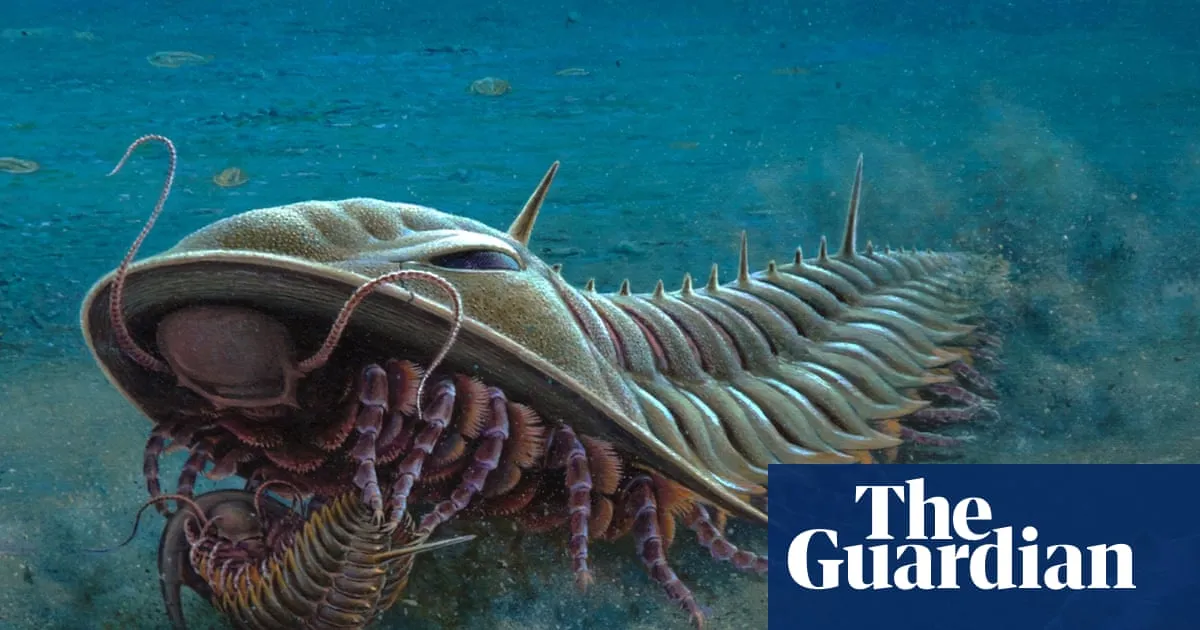
The Guardian - World NewsFIG 01
Reading time
2min
Word count
437words
Sources cited
4cited
Entities identified
3entities
Quality score
50%
§ 02
Article analysis
Model · rule-basedFraming
Human Interest
Environmental
Tone
Measured
AI-assessed
CalmNeutralAlarmist
Factuality
0.80 / 1.00
Factual
LowHigh
Sources cited
4
Well sourced
FewMany
§ 03
Key claims
5 extracted01
The deposit was discovered in the 1950s by South Australian scientist Reg Sprigg.
factualnull
Confidence
1.00
02
The shale deposit at Emu Bay housed the ancestors of today’s snails and sea-urchins.
factualnull
Confidence
1.00
03
The Palaeozoic era was part of the Cambrian “explosion”.
factualnull
Confidence
1.00
04
Prehistoric fossils from Kangaroo Island have been transformed into artworks for a stamp series.
factualnull
Confidence
1.00
05
The images produced by Peter Trusler are as accurate as we can make them in 2026.
quoteDiego Garcia-Bellido
Confidence
0.90
§ 04
Full report
2 min read · 437 words§ 05
Entities
3 identifiedKey playerOppositionContextPositiveNeutralNegative
Locations1