Scam cases in Hong Kong fell by 2.9 per cent last year over the figure for 2024 after rising annually since 2019, while overall recorded crimes decreased by 5.9 per cent, according to police.In revealing the annual figures on Tuesday, Commissioner of Police Joe Chow Yat-ming also told lawmakers that fewer traditional street crimes were recorded, but homicide cases jumped 10-fold to 194 from 19, mostly due to the inclusion of the 168 people killed in the Wang Fuk Court blaze.“The main rise [excluding Wang Fuk Court victims] came from domestic violence, mainly due to financial problems or murder-suicides with patients with chronic illnesses,” Chow said.The force has arrested 16 people on suspicion of manslaughter in relation to the inferno in Tai Po last November.Overall, Hong Kong recorded 89,137 crimes last year, a 5.9 per cent drop from the 94,747 in 2024. Deception cases took up nearly half the number, accounting for 48.5 per cent.There were 43,212 scam cases last year, down by 2.9 per cent in 2024 and marking the first annual decline since 2019.
SRCSouth China Morning Post
LANGEN
LEANCenter-Right
WORDS176
ENT4
TUE · 2026-02-10 · 14:51 GMTBRIEF NSR-2026-0210-15031
NSR-2026-0210-15031News Report·EN·Legal & Judicial
Scam cases fall for first time since 2019 in Hong Kong, annual figures show
Scam cases in Hong Kong fell by 2.9 per cent last year over the figure for 2024 after rising annually since 2019, while overall recorded crimes decreased by 5.9 per cent, according to police. In revealing the annual figures on Tuesday, Commissioner of Police Joe Chow Yat-ming also told lawmakers tha
Jess MaSouth China Morning PostFiled 2026-02-10 · 14:51 GMTLean · Center-RightRead · 1 min
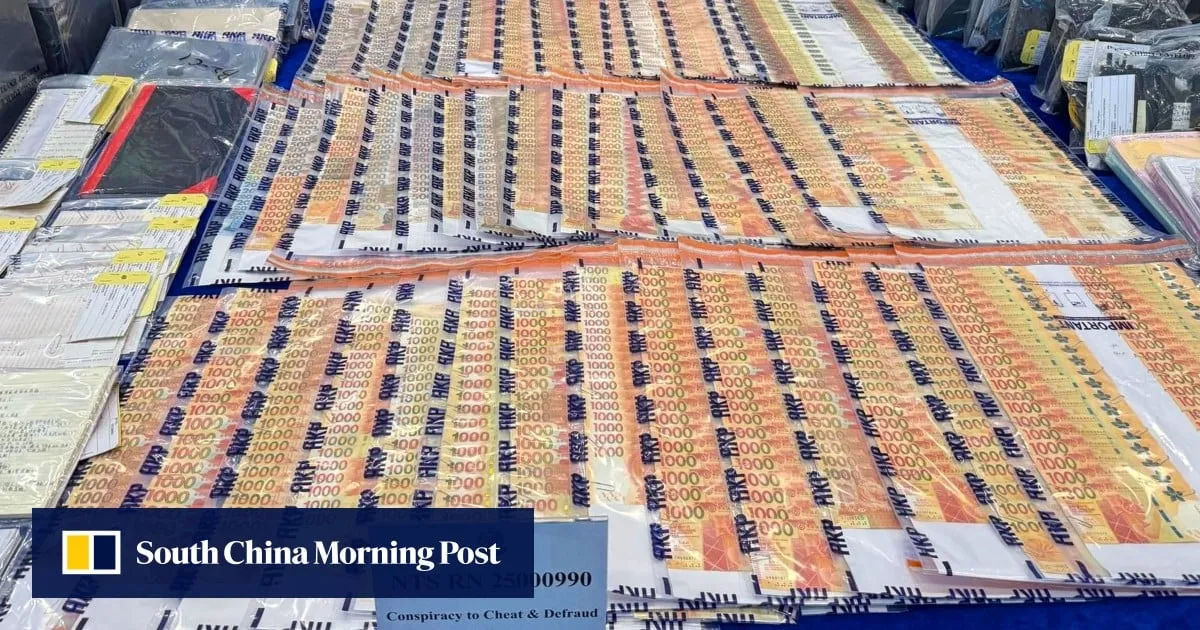
South China Morning PostFIG 01
Reading time
1min
Word count
176words
Sources cited
1cited
Entities identified
4entities
Quality score
75%
§ 02
Article analysis
Model · rule-basedFraming
Legal & Judicial
Economic Impact
Tone
Measured
AI-assessed
CalmNeutralAlarmist
Factuality
0.90 / 1.00
Factual
LowHigh
Sources cited
1
Limited
FewMany
§ 03
Key claims
5 extracted01
Deception cases took up nearly half the number, accounting for 48.5 per cent.
statisticpolice
Confidence
1.00
02
Hong Kong recorded 89,137 crimes last year.
statisticpolice
Confidence
1.00
03
Homicide cases jumped 10-fold to 194 from 19.
statisticCommissioner of Police Joe Chow Yat-ming
Confidence
1.00
04
Overall recorded crimes decreased by 5.9 per cent.
statisticpolice
Confidence
1.00
05
Scam cases in Hong Kong fell by 2.9 per cent last year.
statisticpolice
Confidence
1.00
§ 04
Full report
1 min read · 176 words§ 05
Entities
4 identifiedKey playerOppositionContextPositiveNeutralNegative
§ 06
Keywords & salience
8 termsscam cases
1.00
crime rate
0.80
hong kong
0.70
annual figures
0.60
homicide cases
0.50
domestic violence
0.50
street crimes
0.40
financial problems
0.40
§ 07
Topic connections
Interactive graph Network visualization showing 51 related topics
View Full Graph Person Organization Location Event|Click node to navigate|Edge numbers = shared articles