As Asia grapples with falling birth rates, analysts warn that the rise of Artificial Intelligence may be making the problem worse, putting pressure on workers to upgrade their skills and posing a distraction to families after office hours.Fertility rates across the region have fallen to some of the lowest levels in the world, well below the generally accepted replacement rate of 2.1 children per woman needed to keep a population stable over time.This decline largely stems from financial pressures and career demands faced by people in their thirties and forties, the prime age for starting families, according to James Liang, adjunct professor at Peking University’s National School of Development.“AI amplifies everything: it demands more training – masters, PhDs – for young people just to get a foothold, suppressing entry wages, while flooding daily life with cheap fun like short videos, virtual reality, gaming and AI companions,” he said.The increasing use of AI across industries is set to transform workplaces, driving companies to require more training and certifications, according to human resource experts.“In Asia, parents are locked in an arms race of tutoring, extracurriculars and elite schooling, pouring massive time and money into each child just to stay competitive,” Liang said. “Not only for children, but parents themselves are also acquiring more training to remain competitive in the age of AI.”
SRCSouth China Morning Post
LANGEN
LEANCenter-Right
WORDS220
ENT5
WED · 2026-02-11 · 08:42 GMTBRIEF NSR-2026-0211-15311
NSR-2026-0211-15311News Report·EN·Economic Impact
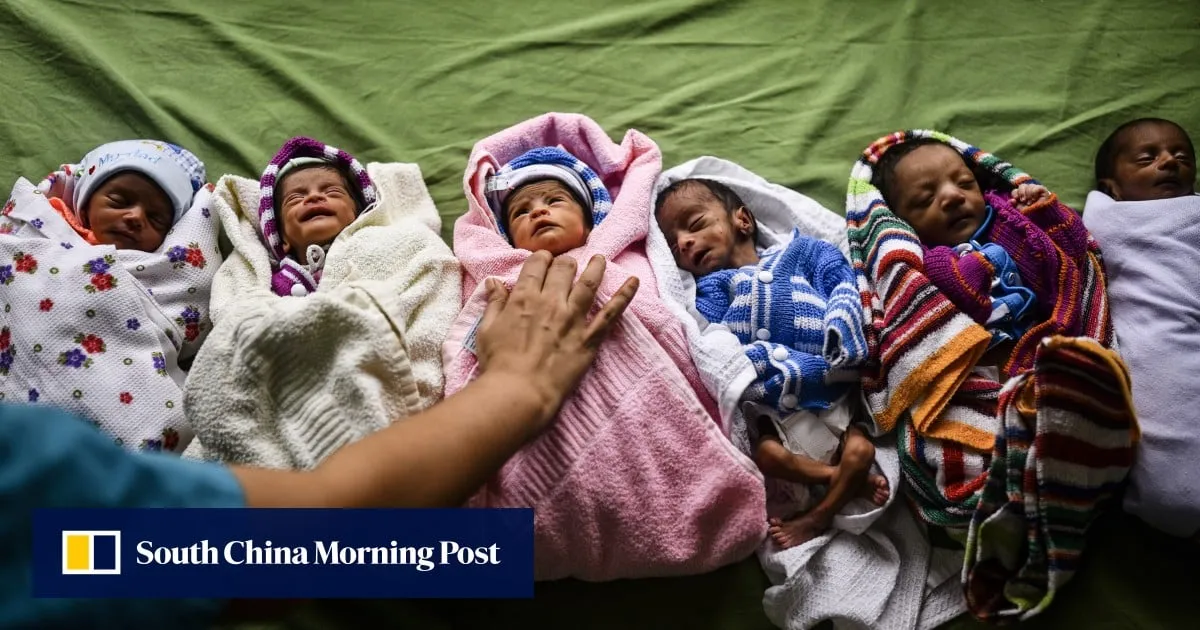
As Asia faces falling birth rates, AI’s rise distracts couples from building families
Across Asia, already facing critically low birth rates, the rise of artificial intelligence is exacerbating the problem. Analysts suggest AI's increasing influence places greater pressure on workers to constantly upgrade their skills through further education and training, diverting time and resources away from starting families.
Biman MukherjiSouth China Morning PostFiled 2026-02-11 · 08:42 GMTLean · Center-RightRead · 1 min
South China Morning PostFIG 01
Reading time
1min
Word count
220words
Sources cited
1cited
Entities identified
5entities
Quality score
100%
§ 01
Briefing Summary
AI-generatedNEWSAR · AI
Across Asia, already facing critically low birth rates, the rise of artificial intelligence is exacerbating the problem. Analysts suggest AI's increasing influence places greater pressure on workers to constantly upgrade their skills through further education and training, diverting time and resources away from starting families. This is happening as fertility rates in the region have fallen below replacement levels due to financial pressures and career demands on those in their thirties and forties. The need for continuous training to stay competitive in an AI-driven job market, coupled with the distractions of readily available digital entertainment, further discourages couples from having children. Experts warn that this trend could have long-term consequences for population stability in Asia.
Confidence 0.90Sources 1Claims 5Entities 5
§ 02
Article analysis
Model · rule-basedFraming
Economic Impact
Technology
Tone
Measured
AI-assessed
CalmNeutralAlarmist
Factuality
0.60 / 1.00
Mixed
LowHigh
Sources cited
1
Limited
FewMany
§ 03
Key claims
5 extracted01
Fertility rates across Asia have fallen to some of the lowest levels in the world.
factualnull
Confidence
1.00
02
Parents are locked in an arms race of tutoring, extracurriculars and elite schooling.
quoteJames Liang, adjunct professor at Peking University
Confidence
0.90
03
The decline largely stems from financial pressures and career demands.
quoteJames Liang, adjunct professor at Peking University
Confidence
0.80
04
AI demands more training for young people just to get a foothold, suppressing entry wages.
quoteJames Liang, adjunct professor at Peking University
Confidence
0.70
05
Increasing use of AI across industries is set to transform workplaces.
predictionnull
Confidence
0.60
§ 04
Full report
1 min read · 220 words§ 05
Entities
5 identifiedKey playerOppositionContextPositiveNeutralNegative
People1
Organizations2
Locations1
§ 06
Keywords & salience
9 termsfalling birth rates
1.00
artificial intelligence
0.90
ai
0.80
asia
0.70
financial pressures
0.60
career demands
0.60
workforce training
0.50
replacement rate
0.40
fertility rates
0.40
§ 07
Topic connections
Interactive graph Network visualization showing 51 related topics
View Full Graph Person Organization Location Event|Click node to navigate|Edge numbers = shared articles