Construction continues on the ballroom where the East Wing used to stand at the White House, Friday, Feb. 13, 2026, in Washington. (AP Photo/Tom Brenner) Updated [hour]:[minute] [AMPM] [timezone], [monthFull] [day], [year] The White House mansion’s eastern facade appears to have been “excellently preserved” when demolition crews tore down the East Wing to make way for President Donald Trump’s planned ballroom, an administration official said in a memo made public Friday. Contractors took pains to protect the White House residence during demolition, keeping heavy equipment at a safe distance and removing some pieces by hand, Joshua Fisher, director of the White House Office of Administration, wrote to the commission charged with approving plans for Trump’s ballroom. Some sections of the building were stabilized ahead of time, and vibration and crack movement were monitored, he wrote. The National Capital Planning Commission, which is led by a top Trump aide, had requested more details about the demolition that began with little advance notice last fall. The agency has jurisdiction over construction and major renovations to government buildings in the region. The East Wing demolition prompted a public outcry when it began without the independent reviews, congressional approval and public comment that are typical for even relatively minor modifications to historic buildings in Washington. The National Trust for Historic Preservation has sued to halt construction of the ballroom. The memo documents the history of the East Wing dating back to Thomas Jefferson’s presidency and lays out the White House’s justification for tearing it down, saying it was not feasible to preserve it while meeting Trump’s goals for the project. The completed ballroom will include an improved visitors center for security screening and will lessen the need for road closures during major events, Fisher wrote. Curators documented and preserved artwork, furniture and other items of historical significance, including “the East Wing cornerstone and plaque, movie theater furniture, the East Colonnade columns, the Porte-cochere columns, interior wood paneling, chandeliers, historic windows and doors, and other hardware and fixtures,” he wrote. “Our goal is to ensure that some of these items will be integrated into the new structure,” Fisher added.Engineers are studying whether the West Colonnade, which connects the White House residence to the West Wing offices, can support a second story that would make it more visually symmetrical with plans for a larger East Colonnade connecting to the ballroom, the memo said. No decisions have been made. The White House also submitted the most detailed renderings of the ballroom published to date. It shows a massive new building that dwarfs the size of the demolished East Wing and matches the height of the historic White House mansion. The project is scheduled for discussion during a March 5 meeting of the National Capital Planning Commission.
SRCAssociated Press (AP)
LANGEN
LEANCenter
WORDS459
ENT7
SAT · 2026-02-14 · 10:23 GMTBRIEF NSR-2026-0214-16201
NSR-2026-0214-16201News Report·EN·Political Strategy
Memo says White House was ‘excellently preserved’ during East Wing demolition for Trump’s ballroom
In 2026, the White House East Wing was demolished to make way for a ballroom planned by President Donald Trump. A memo from the White House Office of Administration, made public on Friday, stated that the White House mansion's eastern facade was "excellently preserved" during the demolition.
By
JONATHAN J. COOPERAssociated Press (AP)Filed 2026-02-14 · 10:23 GMTLean · CenterRead · 2 min
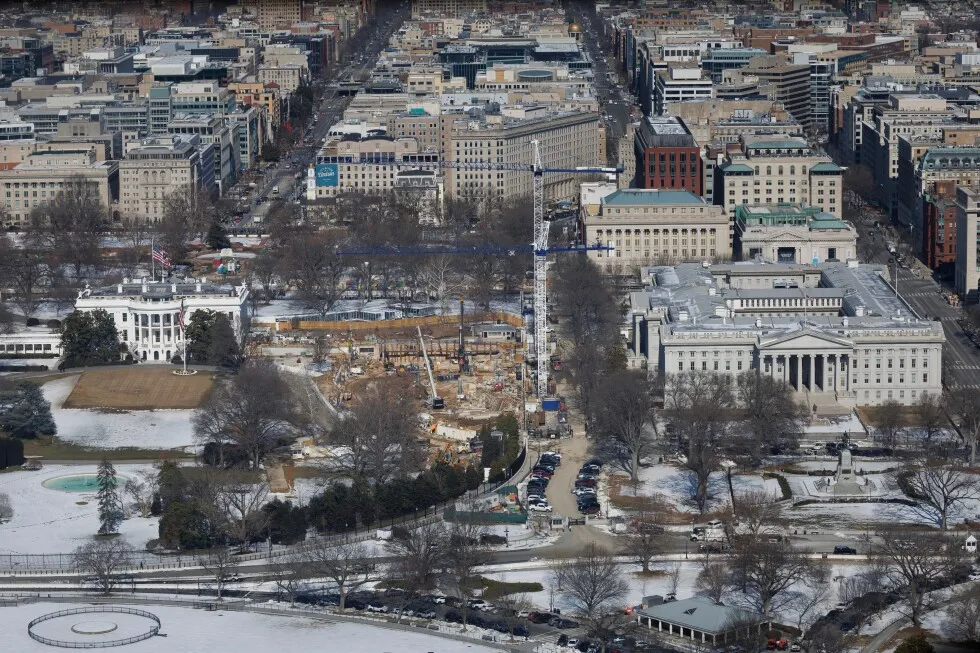
Associated Press (AP)FIG 01
Reading time
2min
Word count
459words
Sources cited
1cited
Entities identified
7entities
Quality score
100%
§ 01
Briefing Summary
AI-generatedNEWSAR · AI
In 2026, the White House East Wing was demolished to make way for a ballroom planned by President Donald Trump. A memo from the White House Office of Administration, made public on Friday, stated that the White House mansion's eastern facade was "excellently preserved" during the demolition. The memo, written by Joshua Fisher, assured the National Capital Planning Commission that contractors took precautions to protect the residence, including stabilizing sections and monitoring vibrations. The demolition, which began without typical reviews and approvals, sparked public outcry and a lawsuit from the National Trust for Historic Preservation. The memo justified the demolition by stating that preserving the East Wing was not feasible while meeting Trump's goals for the project, which includes an improved visitor center. Historically significant items were documented and preserved, with the goal of integrating some into the new structure.
Confidence 0.90Sources 1Claims 5Entities 7
§ 02
Article analysis
Model · rule-basedFraming
Political Strategy
Legal & Judicial
Tone
Measured
AI-assessed
CalmNeutralAlarmist
Factuality
0.80 / 1.00
Factual
LowHigh
Sources cited
1
Limited
FewMany
§ 03
Key claims
5 extracted01
The National Trust for Historic Preservation has sued to halt construction of the ballroom.
factual
Confidence
1.00
02
Curators documented and preserved artwork, furniture and other items of historical significance.
factualJoshua Fisher
Confidence
0.90
03
The East Wing demolition prompted a public outcry when it began without independent reviews.
factual
Confidence
0.90
04
The White House mansion’s eastern facade appears to have been “excellently preserved” during demolition.
quoteadministration official
Confidence
0.90
05
The completed ballroom will include an improved visitors center for security screening.
factualJoshua Fisher
Confidence
0.80
§ 04
Full report
2 min read · 459 words§ 05
Entities
7 identifiedKey playerOppositionContextPositiveNeutralNegative
Organizations2
§ 06
Keywords & salience
8 termswhite house
1.00
east wing demolition
0.90
ballroom construction
0.80
historic preservation
0.70
national capital planning commission
0.60
renovations
0.50
public outcry
0.40
artwork preservation
0.40
§ 07
Topic connections
Interactive graph Network visualization showing 51 related topics
View Full Graph Person Organization Location Event|Click node to navigate|Edge numbers = shared articles