Malaysia has drawn a hard line against becoming a dumping ground for the world’s toxic scrap, but enforcing that pledge means sifting through millions of shipping containers each year – a daunting challenge shared by ports across Southeast Asia.Last week, Kuala Lumpur imposed an immediate ban on e-waste imports, reclassifying the material under an “absolute prohibition” and declaring the country would not be a “dumping ground” for the world’s waste, in an effort to curb a trade that often blurs legitimate recycling with illicit flows.In one of the first tests of that tougher stance, customs officers at Port Klang intercepted nearly 200 tonnes of electronic waste on Wednesday, in what officials described as a rare success against traffickers who frequently hid shipments behind tidy paperwork and recycling labels.Acting on a tip-off, customs officers found seven containers of e-waste – such as used printers, battered fax machines and ageing computer parts – and another carrying suspected aluminium dross, a hazardous industrial by-product banned for import under Malaysian law.The e-waste had been shipped from three US ports – New York, Los Angeles and Norfolk, Virginia – and were destined for illegal dumps or recycling, said Nik Ezanee Mohd Faisal of the Malaysian Border Control and Protection Agency.The containers have been placed under guard and are currently awaiting sign-off to send back to the United States.“With the volumes we handle, it is a challenge [to detect them],” Nik Ezanee, the commander of Port Klang customs, told This Week in Asia.
SRCSouth China Morning Post
LANGEN
LEANCenter-Right
WORDS247
ENT5
SUN · 2026-02-15 · 08:00 GMTBRIEF NSR-2026-0215-16408
NSR-2026-0215-16408News Report·EN·Environmental
Malaysia says no to e-waste dumping but can its ban stop a global trade?
Malaysia has banned e-waste imports to prevent the country from becoming a dumping ground for toxic waste. The ban, effective immediately, reclassifies e-waste under an "absolute prohibition" due to the difficulty in distinguishing legitimate recycling from illegal dumping.
Ushar DanieleSouth China Morning PostFiled 2026-02-15 · 08:00 GMTLean · Center-RightRead · 1 min
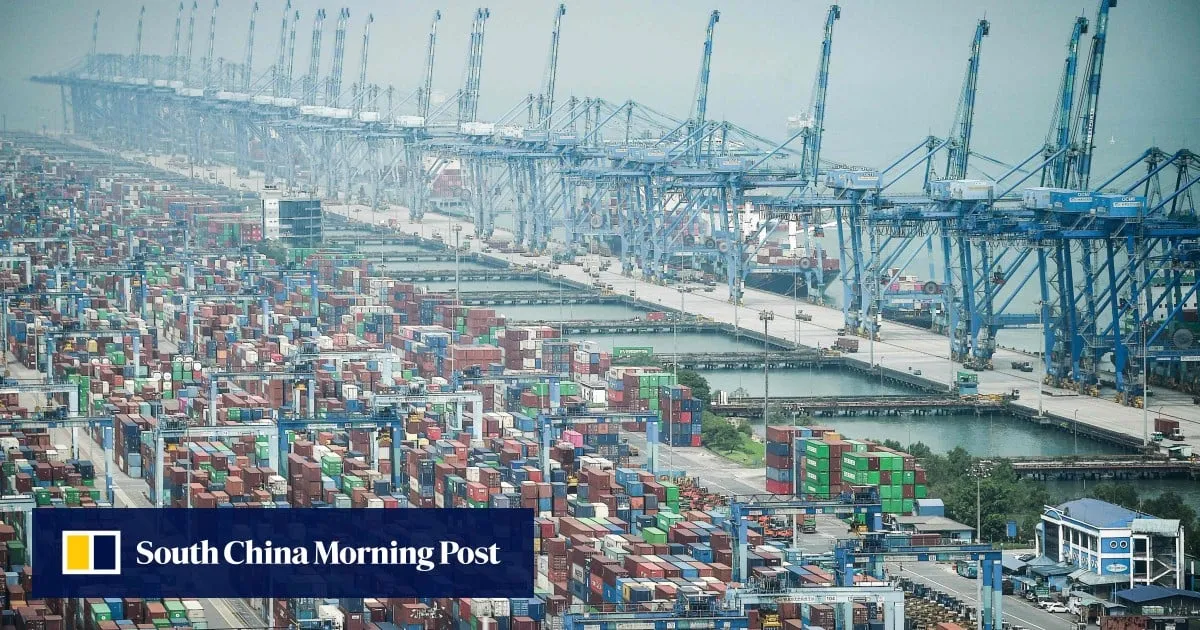
South China Morning PostFIG 01
Reading time
1min
Word count
247words
Sources cited
1cited
Entities identified
5entities
Quality score
100%
§ 01
Briefing Summary
AI-generatedNEWSAR · AI
Malaysia has banned e-waste imports to prevent the country from becoming a dumping ground for toxic waste. The ban, effective immediately, reclassifies e-waste under an "absolute prohibition" due to the difficulty in distinguishing legitimate recycling from illegal dumping. Recently, customs officers at Port Klang intercepted nearly 200 tonnes of e-waste shipped from three US ports: New York, Los Angeles, and Norfolk, Virginia. The e-waste, including used printers and computer parts, was destined for illegal dumps or recycling facilities. Despite this success, Malaysian officials acknowledge the challenge of detecting illegal e-waste shipments among the millions of containers processed annually.
Confidence 0.90Sources 1Claims 5Entities 5
§ 02
Article analysis
Model · rule-basedFraming
Environmental
Economic Impact
Tone
Measured
AI-assessed
CalmNeutralAlarmist
Factuality
0.80 / 1.00
Factual
LowHigh
Sources cited
1
Limited
FewMany
§ 03
Key claims
5 extracted01
With the volumes we handle, it is a challenge [to detect them]
quoteNik Ezanee
Confidence
1.00
02
The containers have been placed under guard and are currently awaiting sign-off to send back to the United States.
factualnull
Confidence
1.00
03
The e-waste had been shipped from three US ports – New York, Los Angeles and Norfolk, Virginia.
factualNik Ezanee Mohd Faisal
Confidence
1.00
04
Customs officers at Port Klang intercepted nearly 200 tonnes of electronic waste on Wednesday.
factualnull
Confidence
1.00
05
Malaysia imposed an immediate ban on e-waste imports, reclassifying the material under an “absolute prohibition”.
factualnull
Confidence
1.00
§ 04
Full report
1 min read · 247 words§ 05
Entities
5 identifiedKey playerOppositionContextPositiveNeutralNegative
§ 06
Keywords & salience
10 termse-waste
1.00
waste dumping
0.80
malaysia
0.70
import ban
0.70
port klang
0.60
recycling
0.60
shipping containers
0.50
illegal trade
0.50
toxic scrap
0.50
us ports
0.40
§ 07
Topic connections
Interactive graph Network visualization showing 51 related topics
View Full Graph Person Organization Location Event|Click node to navigate|Edge numbers = shared articles