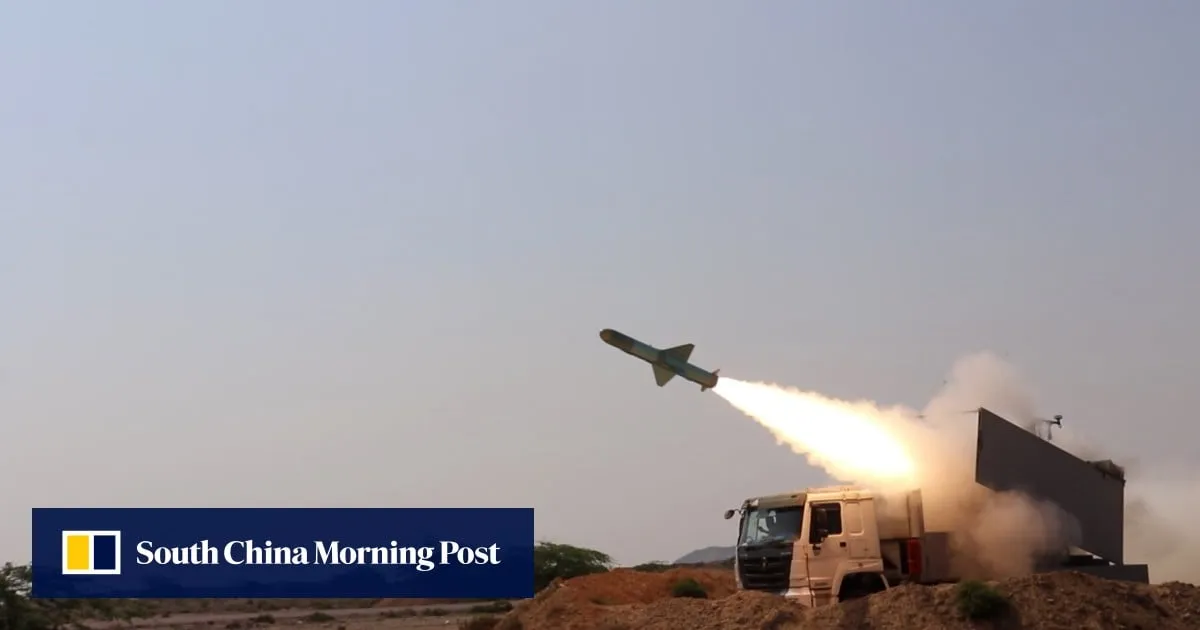
Iran partially and temporarily closed the strategic Strait of Hormuz during a military drill on Tuesday, thrusting the vital shipping route under the global spotlight once again.The hours-long suspension was the first time Tehran had restricted traffic through the strait since US President Donald Trump’s warning last month that Washington could take military action over Iran’s nuclear programme, with tensions still high between the two sides despite recent bilateral talks in Geneva.Here, we examine the potential implications of a longer or more comprehensive blockade.Where is the Strait of Hormuz? Why is it so critical?The Strait of Hormuz is a narrow maritime corridor linking the Persian Gulf with the Indian Ocean, with Iran to the north and the United Arab Emirates and Oman to the south. It is the gulf’s only direct outlet to open seas, making it a crucial artery for global trade.An average of around 13 million barrels of crude oil passed through the strait each day last year – roughly 31 per cent of global seaborne crude flows – according to data from market intelligence firm Kpler.The waterway is also a key route for liquefied natural gas (LNG), with about 20 per cent of global LNG shipments passing through it, mostly from Qatar.How has the global oil market reacted?Global oil prices have climbed steadily. After surging about 4.5 per cent on Wednesday, crude extended gains on Thursday with a further rise of nearly 2 per cent, settling at a six-month high.
SRCSouth China Morning Post
LANGEN
LEANCenter-Right
WORDS243
ENT10
FRI · 2026-02-20 · 09:15 GMTBRIEF NSR-2026-0220-17823
NSR-2026-0220-17823News Report·EN·Economic Impact
What would blocking the Strait of Hormuz mean for global oil and LNG shipments?
The Strait of Hormuz, a vital shipping route connecting the Persian Gulf and the Indian Ocean, was temporarily closed by Iran during a military drill, raising concerns about potential disruptions to global trade. The strait is the only direct sea outlet for the Gulf, making it critical for oil and LNG shipments.
Mia NurmamatSouth China Morning PostFiled 2026-02-20 · 09:15 GMTLean · Center-RightRead · 1 min
South China Morning PostFIG 01
Reading time
1min
Word count
243words
Sources cited
1cited
Entities identified
10entities
Quality score
100%
§ 01
Briefing Summary
AI-generatedNEWSAR · AI
The Strait of Hormuz, a vital shipping route connecting the Persian Gulf and the Indian Ocean, was temporarily closed by Iran during a military drill, raising concerns about potential disruptions to global trade. The strait is the only direct sea outlet for the Gulf, making it critical for oil and LNG shipments. Approximately 31% of the world's seaborne crude oil, about 13 million barrels daily, and 20% of global LNG shipments pass through it annually. The closure, the first since tensions rose between Iran and the US, caused global oil prices to increase, reaching a six-month high. The Strait's strategic importance highlights the potential impact of any prolonged blockade on the global energy market.
Confidence 0.90Sources 1Claims 5Entities 10
§ 02
Article analysis
Model · rule-basedFraming
Economic Impact
Political Strategy
Tone
Measured
AI-assessed
CalmNeutralAlarmist
Factuality
0.80 / 1.00
Factual
LowHigh
Sources cited
1
Limited
FewMany
§ 03
Key claims
5 extracted01
Crude extended gains on Thursday with a further rise of nearly 2 per cent, settling at a six-month high.
factual
Confidence
1.00
02
The waterway is also a key route for liquefied natural gas (LNG), with about 20 per cent of global LNG shipments passing through it.
statistic
Confidence
1.00
03
An average of around 13 million barrels of crude oil passed through the strait each day last year.
statisticKpler
Confidence
1.00
04
Iran partially and temporarily closed the Strait of Hormuz during a military drill on Tuesday.
factual
Confidence
1.00
05
Global oil prices have climbed steadily.
factual
Confidence
0.90
§ 04
Full report
1 min read · 243 words§ 05
Entities
10 identifiedKey playerOppositionContextPositiveNeutralNegative
Organizations1
§ 06
Keywords & salience
8 termsstrait of hormuz
1.00
oil shipments
0.80
lng shipments
0.70
global oil market
0.60
oil prices
0.60
iran
0.50
maritime corridor
0.50
blockade
0.40
§ 07
Topic connections
Interactive graph Network visualization showing 51 related topics
View Full Graph Person Organization Location Event|Click node to navigate|Edge numbers = shared articles