NORAD says aircraft did not enter sovereign airspace and were not considered a threat.Published On 20 Feb 2026The United States has dispatched fighter jets after multiple Russian military aircraft were observed operating in international airspace near Alaska, according to the North American Aerospace Defense Command (NORAD).Two Russian Tu-95s, two Su-35s and one A-50 were “detected and tracked” operating in Alaska’s Air Defense Identification Zone (ADIZ), NORAD said in a statement on Friday, adding that it responded by sending two F-16s, two F-35s, one E-3 and four KC-135s.Recommended Stories list of 3 itemslist 1 of 3Russia-Ukraine war: List of key events, day 1,457list 2 of 3US renews threat of military action as Iran, Russia announce naval drillslist 3 of 3Trump administration to open up Alaska wildlife refuge to drillingend of listIt said the Russian aircraft did not enter US or Canadian sovereign airspace, and that they were escorted until they departed Alaska’s ADIZ.While Russia’s Ministry of Defence has not issued a statement, NORAD said that Russian aircraft are regularly observed in Alaska’s ADIZ and that this type of activity is “not seen as a threat”.Countries including the US, China, India and Japan have unilaterally declared ADIZs that require foreign military aircraft to identify themselves upon entering a specific zone of airspace.Unlike sovereign airspace, ADIZs are not recognised in international law or overseen by any international body.In July 2024, the US and Canada intercepted two Chinese and two Russian bombers operating in Alaska’s ADIZ.This was the first time that Russian and Chinese bombers are known to have flown together over the North Pacific, marking a further expansion of the countries’ military cooperation and raising concerns among the US and its allies about regional stability.
SRCAl Jazeera
LANGEN
LEANCenter
WORDS282
ENT3
FRI · 2026-02-20 · 08:10 GMTBRIEF NSR-2026-0220-17844
NSR-2026-0220-17844News Report·EN·National Security
US jets escort Russian military aircraft out of Alaska’s air defence zone
On February 20, 2026, NORAD detected and tracked multiple Russian military aircraft, including Tu-95s, Su-35s and an A-50, operating in international airspace within Alaska's Air Defense Identification Zone (ADIZ). In response, the US dispatched fighter jets, including F-16s and F-35s, to escort the Russian aircraft.
Al Jazeera StaffAl JazeeraFiled 2026-02-20 · 08:10 GMTLean · CenterRead · 2 min
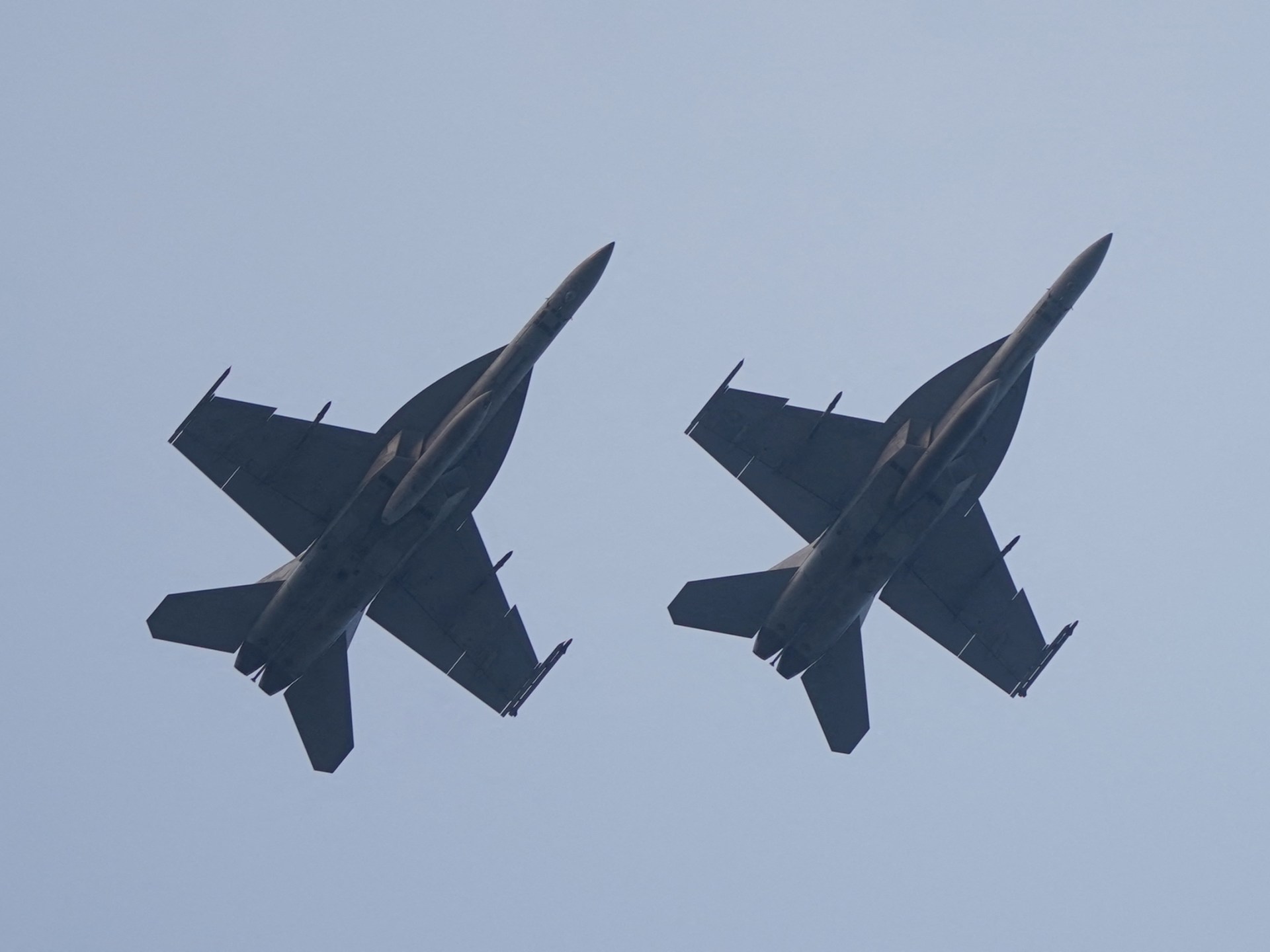
Al JazeeraFIG 01
Reading time
2min
Word count
282words
Sources cited
1cited
Entities identified
3entities
Quality score
100%
§ 01
Briefing Summary
AI-generatedNEWSAR · AI
On February 20, 2026, NORAD detected and tracked multiple Russian military aircraft, including Tu-95s, Su-35s and an A-50, operating in international airspace within Alaska's Air Defense Identification Zone (ADIZ). In response, the US dispatched fighter jets, including F-16s and F-35s, to escort the Russian aircraft. The Russian aircraft did not enter US or Canadian sovereign airspace and were not considered a threat. NORAD stated that it regularly observes Russian aircraft in the ADIZ. ADIZs are unilaterally declared zones not recognized in international law, and this event follows a similar interception in July 2024 involving Russian and Chinese bombers in the same area.
Confidence 0.90Sources 1Claims 5Entities 3
§ 02
Article analysis
Model · rule-basedFraming
National Security
Diplomatic
Tone
Measured
AI-assessed
CalmNeutralAlarmist
Factuality
0.90 / 1.00
Factual
LowHigh
Sources cited
1
Limited
FewMany
§ 03
Key claims
5 extracted01
In July 2024, the US and Canada intercepted two Chinese and two Russian bombers operating in Alaska’s ADIZ.
factual
Confidence
1.00
02
This type of activity is “not seen as a threat”.
quoteNORAD
Confidence
1.00
03
Russian aircraft are regularly observed in Alaska’s ADIZ.
factualNORAD
Confidence
1.00
04
The Russian aircraft did not enter US or Canadian sovereign airspace.
factualNORAD
Confidence
1.00
05
US jets escorted Russian military aircraft out of Alaska’s air defence zone.
factualNORAD
Confidence
1.00
§ 04
Full report
2 min read · 282 words§ 05
Entities
3 identified§ 06
Keywords & salience
8 termsalaska air defense identification zone
0.90
russian military aircraft
0.80
norad
0.70
fighter jets
0.60
international airspace
0.60
sovereign airspace
0.50
military cooperation
0.50
interception
0.40
§ 07
Topic connections
Interactive graph No topic relationship data available yet. This graph will appear once topic relationships have been computed.