At least 1,000 companies have already sued the administration of United States President Donald Trump. Legal experts argue a higher burden will be on small businessesThe high court ruled against US President Donald Trump’s use of the International Emergency Economic Powers Act (IEEPA) to impose sweeping global tariffs [Kevin Lamarque/Reuters]Published On 20 Feb 2026The United States Supreme Court ruling against the administration of US President Donald Trump’s sweeping global tariffs has left a question unanswered on what is the refund process for the funds collected over the past several months through the tariffs that had been imposed on most US trading partners .In a 6–3 decision issued on Friday, Chief Justice John Roberts upheld a lower court ruling that found the president’s use of the International Emergency Economic Powers Act (IEEPA) exceeded his authority.Recommended Stories list of 4 itemslist 1 of 4Strike over labour reforms brings Argentina’s capital to a near-standstilllist 2 of 4IMF warns Venezuela’s economy and humanitarian situation is ‘quite fragile’list 3 of 4US pays about $160m towards nearly $4bn in UN dueslist 4 of 4In major blow to Trump, US Supreme Court strikes down his global tariffsend of listThe high court did not specify how the federal government would refund the estimated $175bn collected under the tariffs. In his dissent, Justice Brett Kavanaugh warned that issuing refunds would present practical challenges and said it would be “a mess”.The case will now return to the Court of International Trade to oversee the refund process.More than 1,000 lawsuits have already been filed by importers in the trade court seeking refunds, and a wave of new cases is expected. Legal experts say the administration will likely require importers to apply for refunds individually. That process could disproportionately burden smaller businesses affected by the tariffs.“The government is probably not going to voluntarily pay back the money it unlawfully took. Rather, the government is going to make everyone request a refund through different procedures by filing formal protests. They’re going to delay things procedurally as long as they can. Hiring lawyers and going through these procedures costs money and time,” Greg Shaffer, a law professor at Georgetown University, told Al Jazeera.“I imagine the largest companies, who have been prepared for this eventuality, will eventually get their money back. But smaller importers, it’s a cost-benefit analysis where they might shrug their shoulders and say it’s not worth going through the hassle to get the unlawfully imposed taxes paid back to them.”Trump’s path forwardDespite Friday’s ruling, other sweeping levies remain in place. Trump had invoked Section 232 of the 1962 Trade Expansion Act to impose sector-specific tariffs on steel and aluminium, cars, copper, lumber, and other products, such as kitchen cabinets, worldwide.On Friday, Trump said he would impose a 10 percent global tariff for 150 days to replace some of his emergency duties that were struck down. The order would be made under Section 122 of the Trade Act of 1974, and the duties would be over and above tariffs that are currently in place, Trump said.The statute allows the president to impose duties of up to 15 percent for up to 150 days on any and all countries related to “large and serious” balance of payments issues. It does not require investigations or impose other procedural limits.The president also has other legal avenues available to continue taxing imports aggressively.“Our trading partners were well aware of the risks the President faced in using IEEPA as the basis for reciprocal and other tariffs. Nevertheless, they chose to conclude deals with Washington, convinced by Washington that other statutes would be utilised to keep the tariffs in place,” Wendy Cutler, vice president of the Asia Society Policy Institute, told Al Jazeera in a statement.“With respect to China, USTR [United States trade representative] still has an active Section 301 investigation on China’s compliance with the Phase One agreement, which could be a major feature of the back-up plan for Beijing.”The president is expected to travel to Beijing next month to meet his Chinese counterpart, Xi Jinping, to discuss trade.“The two main options include Section 301 of the Trade Act of 1974, the traditional mechanism for imposing tariffs in response to unfair trade practices by other countries. It requires an investigation and a report, but ultimately gives the president considerable discretion to impose tariffs. It has been used in the past and will likely be the most frequently used measure going forward,” Shaffer, the law professor, said.He noted, however, that the administration’s tariff options could not be applied retroactively, meaning any new tariffs would apply only to future imports rather than covering duties already paid.Raj Bhala, professor of law at The University of Kansas School of Law, argues there are remedies at the president’s disposal in addition to Section 122. Bhala said that Trump could use Section 338 of the Tariff Act of 1930 (also known as the Smoot-Hawley Act). That allows the president to impose a 50 percent tariff to challenge discriminatory trade practices from other countries.“Each option involves procedural hurdles,” Bhala said.Congressional pressureRoberts wrote that the president must “point to clear congressional authorization” to impose tariffs. The ruling has increased pressure on both Trump’s allies and critics in Congress to clarify the scope of executive trade authority.“What a fantastic ruling for a feckless branch of government. While its current tendency is to abdicate, the court has told Congress to do its job,” a former official in the White House Office of Management and Budget told Al Jazeera in response to the decision.“Congress must either act with specific legislation, or declare war, which would grant the President the emergency powers to levy tariffs.”“Congress and the Administration will determine the best path forward in the coming weeks,” House Speaker Mike Johnson said in a post on the social media platform X.Senate Democratic Leader Chuck Schumer, by contrast, welcomed the ruling, saying it will “finally give families and small businesses the relief they deserve” and that Trump should end “this reckless trade war for good.”But how that money will get paid back, and if it was already spent, will require Congress to step in.“If it has been spent, the money will have to be reallocated by Congress. Congress will have to determine how much is owed to importers, pass a law to fund it, and create a mechanism for repayment. There’s also the question of who is entitled to it. Is it only the importer, or does it extend to the end consumer? Where does the line stop?” Babak Hafezi, professor of international business at American University, told Al Jazeera.“This is not something that will be fixed in 24 hours. It will most likely take years, possibly even a decade, to resolve all the issues this less-than-a-year-old law has imposed on Americans.”
SRCAl Jazeera
LANGEN
LEANCenter
WORDS1 122
ENT11
FRI · 2026-02-20 · 20:19 GMTBRIEF NSR-2026-0220-17992
NSR-2026-0220-17992News Report·EN·Legal & Judicial
Tariff refunds could take years amid US Supreme Court ruling, experts warn
The US Supreme Court ruled against President Trump's use of the International Emergency Economic Powers Act (IEEPA) to impose global tariffs, leaving the refund process for approximately $175 billion in collected tariffs uncertain. The case returns to the Court of International Trade to oversee refunds, with over 1,000 lawsuits already filed by importers.
Andy HirschfeldAl JazeeraFiled 2026-02-20 · 20:19 GMTLean · CenterRead · 5 min
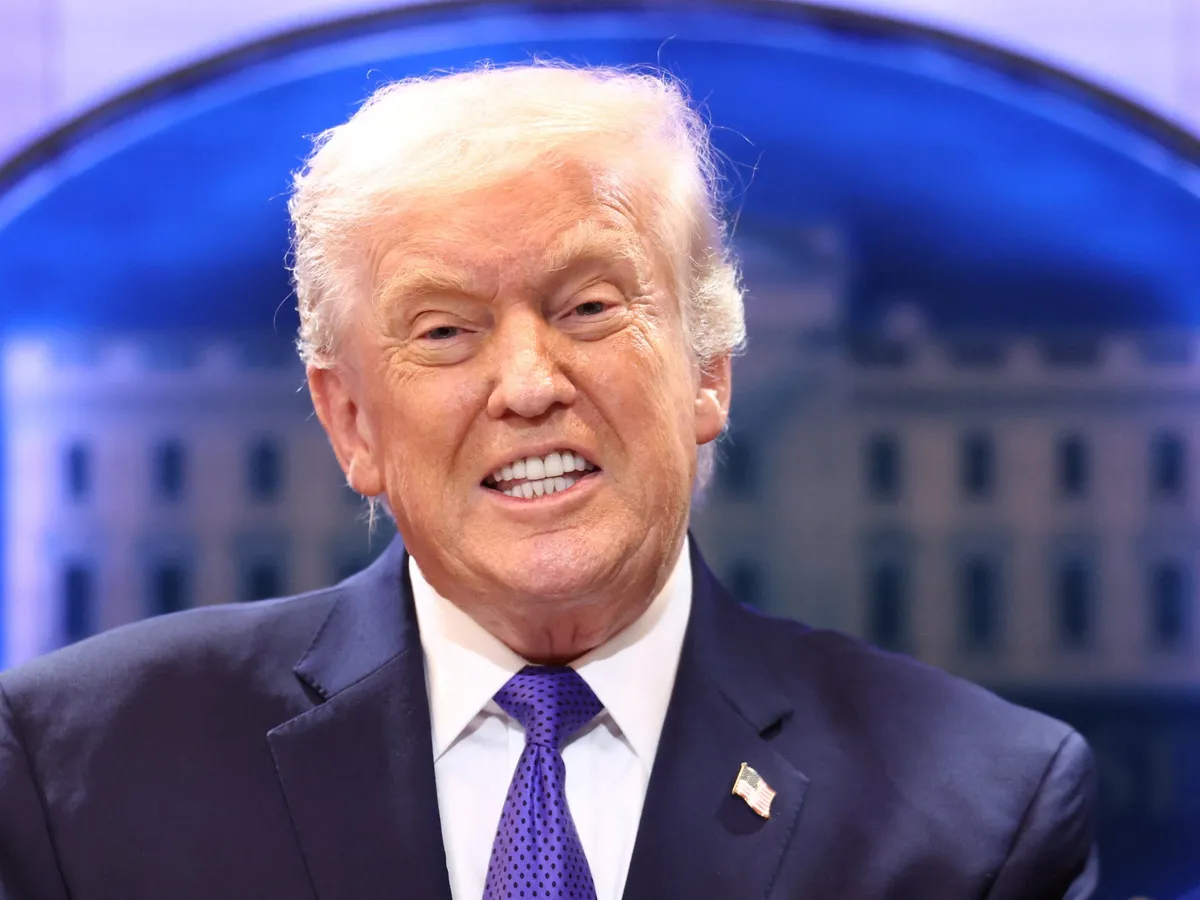
Al JazeeraFIG 01
Reading time
5min
Word count
1 122words
Sources cited
1cited
Entities identified
11entities
Quality score
100%
§ 01
Briefing Summary
AI-generatedNEWSAR · AI
The US Supreme Court ruled against President Trump's use of the International Emergency Economic Powers Act (IEEPA) to impose global tariffs, leaving the refund process for approximately $175 billion in collected tariffs uncertain. The case returns to the Court of International Trade to oversee refunds, with over 1,000 lawsuits already filed by importers. Experts predict the government will likely require individual refund applications, potentially burdening smaller businesses due to the costs and time involved in navigating the procedures. Legal experts anticipate procedural delays and a lengthy refund process, potentially taking years to resolve. Larger companies are expected to be better equipped to navigate the process than smaller importers.
Confidence 0.90Sources 1Claims 5Entities 11
§ 02
Article analysis
Model · rule-basedFraming
Legal & Judicial
Economic Impact
Tone
Measured
AI-assessed
CalmNeutralAlarmist
Factuality
0.70 / 1.00
Factual
LowHigh
Sources cited
1
Limited
FewMany
§ 03
Key claims
5 extracted01
Trump said he would impose a 10 percent global tariff for 150 days.
factual
Confidence
1.00
02
The high court did not specify how the federal government would refund the estimated $175bn collected under the tariffs.
factual
Confidence
1.00
03
The United States Supreme Court ruled against the administration of US President Donald Trump’s sweeping global tariffs.
factual
Confidence
1.00
04
At least 1,000 companies have already sued the administration of United States President Donald Trump.
factual
Confidence
1.00
05
The government is probably not going to voluntarily pay back the money it unlawfully took.
quoteGreg Shaffer, a law professor at Georgetown University
Confidence
0.80
§ 04
Full report
5 min read · 1 122 words§ 05
Entities
11 identifiedKey playerOppositionContextPositiveNeutralNegative
Organizations4
§ 06
Keywords & salience
9 termstariff refunds
1.00
us supreme court
0.80
global tariffs
0.70
international emergency economic powers act (ieepa)
0.60
small businesses
0.60
trade court
0.50
importers
0.50
refund process
0.40
legal experts
0.40
§ 07
Topic connections
Interactive graph Network visualization showing 51 related topics
View Full Graph Person Organization Location Event|Click node to navigate|Edge numbers = shared articles