As political pressure on the US Federal Reserve intensifies in Washington, the reverberations are rippling across the globe. Gregory Peters, co-chief investment officer of fixed income at PGIM, has noted that bringing political pressure to bear on the Fed is an “own goal” – a self-inflicted shock that erodes confidence and is unlikely to deliver lower borrowing costs for the US.This reassessment – marked by quiet “sell America” trades – is beginning to surface.The damage extends far beyond Washington. It creates long-term risks to inflation trajectories and could push the global financial system towards greater fragmentation and inefficiency, leaving Emerging Markets and developing economies in Asia, Latin America and Africa most exposed. To be sure, these consequences stem from multiple factors, but doubts over the Fed’s independence are undoubtedly one of the key drivers.The most revealing signal of this reassessment is visible in official reserve behaviour. Central banks and global investors have increased their exposure to traditional safe havens, with gold emerging as a primary beneficiary. By the third quarter of 2025, gold accounted for close to 30 per cent of global official reserves. As the world’s second-largest reserve asset, its share advantage over the euro has widened.Yet the renewed accumulation of gold also carries macroeconomic trade-offs. Unlike reserve currencies, gold does not provide liquidity backstops or support crisis-era funding mechanisms. When more global savings flow into non-yielding assets, the international financial system becomes less flexible to shocks over time. A widespread flight to safety may undermine the efficiency of capital allocation and weaken the resilience of the global financial system.These effects weigh heavily on Emerging Markets. Constrained by shallow financial markets and lower gold shares in official reserves, Emerging Markets have experienced a dual shift towards gold for private investors and central banks.
SRCSouth China Morning Post
LANGEN
LEANCenter-Right
WORDS294
ENT7
SUN · 2026-02-22 · 08:30 GMTBRIEF NSR-2026-0222-18272
NSR-2026-0222-18272Analysis·EN·Economic Impact
Why the Fed credibility crisis will hit emerging markets harder
Political pressure on the US Federal Reserve is creating a global credibility crisis with significant implications, particularly for emerging markets. Experts warn that eroding confidence in the Fed's independence through political influence could lead to long-term inflation risks and a more fragmented, inefficient global financial system.
Shanshan LiSouth China Morning PostFiled 2026-02-22 · 08:30 GMTLean · Center-RightRead · 2 min
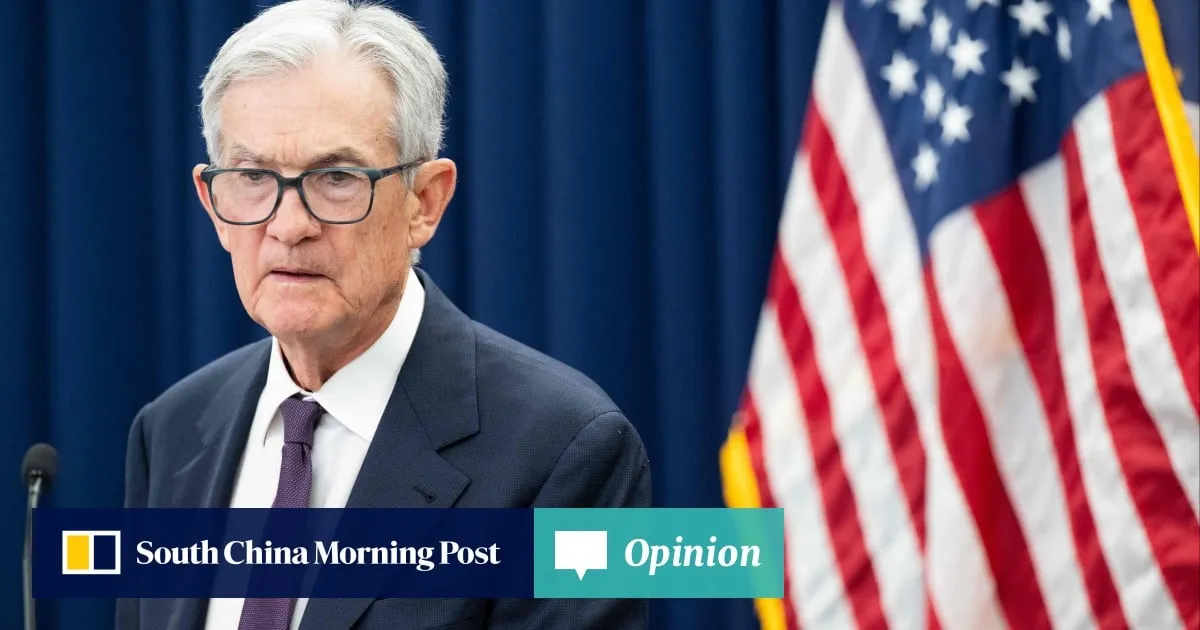
South China Morning PostFIG 01
Reading time
2min
Word count
294words
Sources cited
1cited
Entities identified
7entities
Quality score
100%
§ 01
Briefing Summary
AI-generatedNEWSAR · AI
Political pressure on the US Federal Reserve is creating a global credibility crisis with significant implications, particularly for emerging markets. Experts warn that eroding confidence in the Fed's independence through political influence could lead to long-term inflation risks and a more fragmented, inefficient global financial system. This reassessment is evident in central banks and global investors increasing their exposure to safe havens like gold, which now accounts for nearly 30% of global official reserves. While gold accumulation offers safety, it reduces liquidity and flexibility in the international financial system, making it less resilient to shocks. Emerging markets, constrained by shallow financial markets and lower gold reserves, are especially vulnerable to these effects as both private investors and central banks shift towards gold.
Confidence 0.90Sources 1Claims 5Entities 7
§ 02
Article analysis
Model · rule-basedFraming
Economic Impact
Political Strategy
Tone
Measured
AI-assessed
CalmNeutralAlarmist
Factuality
0.60 / 1.00
Mixed
LowHigh
Sources cited
1
Limited
FewMany
§ 03
Key claims
5 extracted01
Bringing political pressure to bear on the Fed is a self-inflicted shock.
quoteGregory Peters, PGIM
Confidence
0.90
02
Political pressure on the US Federal Reserve is intensifying.
factualnull
Confidence
0.90
03
Emerging markets have experienced a dual shift towards gold for private investors and central banks.
factualnull
Confidence
0.80
04
Doubts over the Fed’s independence are a key driver of global financial reassessment.
factualnull
Confidence
0.80
05
By the third quarter of 2025, gold accounted for close to 30 per cent of global official reserves.
statisticnull
Confidence
0.70
§ 04
Full report
2 min read · 294 words§ 05
Entities
7 identifiedKey playerOppositionContextPositiveNeutralNegative
Organizations2
§ 06
Keywords & salience
10 termsfederal reserve
1.00
emerging markets
0.90
credibility crisis
0.80
global financial system
0.70
political pressure
0.70
official reserves
0.60
gold
0.60
safe havens
0.50
inflation trajectories
0.50
reserve currencies
0.40
§ 07
Topic connections
Interactive graph Network visualization showing 7 related topics
View Full Graph Person Organization Location Event|Click node to navigate|Edge numbers = shared articles