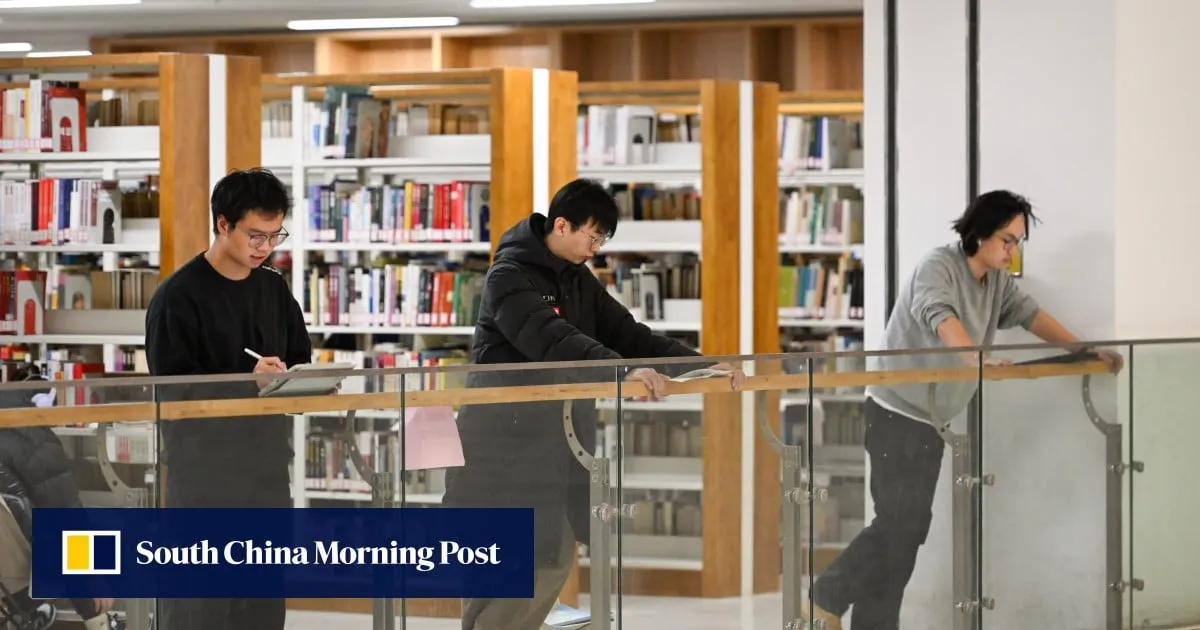
Universities in China are shifting focus from traditional language degrees to country-specific and regional studies – a move analysts say reflects a broader strategy to craft a uniquely Chinese framework for understanding the world, independent of Western paradigms.The field of regional or area studies examines the politics, economics, culture, military affairs, geography, linguistics and other dimensions of countries and regions worldwide. Ministry of Education data shows that the interdisciplinary field has rapidly grown in popularity as an academic programme.At least 450 regional studies centres across more than 180 institutions have been set up nationwide since the ministry launched a “cultivation base” project in 2011, with about 20,000 faculty members deployed in the field.According to ministry data, 12 institutions proposed establishing the programme in 2024, making it one of the year’s most sought-after new majors.China’s latest five-year plan calls to “strengthen regional and country studies and enhance the effectiveness of international communication”. Photo: China-news-service" class="entity-link entity-organization" data-entity-id="34945" data-entity-type="organization">China News Service via Getty ImagesThe shift comes as language majors face major cuts and restructuring.
SRCSouth China Morning Post
LANGEN
LEANCenter-Right
WORDS168
ENT4
MON · 2026-02-23 · 01:00 GMTBRIEF NSR-2026-0223-18411
NSR-2026-0223-18411News Report·EN·Political Strategy
Why Chinese universities are ditching language degrees for strategic regional expertise
Chinese universities are increasingly prioritizing country-specific and regional studies programs over traditional language degrees. This shift, which began with a Ministry of Education initiative in 2011, has led to the establishment of over 450 regional studies centers across more than 180 institutions, employing approximately 20,000 faculty members.
Fan ChenSouth China Morning PostFiled 2026-02-23 · 01:00 GMTLean · Center-RightRead · 1 min
South China Morning PostFIG 01
Reading time
1min
Word count
168words
Sources cited
1cited
Entities identified
4entities
Quality score
100%
§ 01
Briefing Summary
AI-generatedNEWSAR · AI
Chinese universities are increasingly prioritizing country-specific and regional studies programs over traditional language degrees. This shift, which began with a Ministry of Education initiative in 2011, has led to the establishment of over 450 regional studies centers across more than 180 institutions, employing approximately 20,000 faculty members. The interdisciplinary field examines various aspects of countries and regions worldwide, including politics, economics, and culture. The growing popularity of regional studies is reflected in the high demand for new programs, with 12 institutions proposing their establishment in 2024. This strategic realignment aligns with China's five-year plan to strengthen regional studies and enhance international communication, while language majors face cuts and restructuring.
Confidence 0.90Sources 1Claims 5Entities 4
§ 02
Article analysis
Model · rule-basedFraming
Political Strategy
Tone
Measured
AI-assessed
CalmNeutralAlarmist
Factuality
0.70 / 1.00
Factual
LowHigh
Sources cited
1
Limited
FewMany
§ 03
Key claims
5 extracted01
China’s latest five-year plan calls to “strengthen regional and country studies”.
factualnull
Confidence
1.00
02
12 institutions proposed establishing the regional studies program in 2024.
statisticMinistry of Education data
Confidence
1.00
03
About 20,000 faculty members are deployed in the field of regional studies.
statisticMinistry of Education data
Confidence
1.00
04
At least 450 regional studies centres have been set up across more than 180 institutions since 2011.
statisticMinistry of Education data
Confidence
1.00
05
Chinese universities are shifting focus from language degrees to country-specific and regional studies.
factualnull
Confidence
0.90
§ 04
Full report
1 min read · 168 words§ 05
Entities
4 identifiedKey playerOppositionContextPositiveNeutralNegative
Organizations3
Locations1
§ 06
Keywords & salience
9 termsregional studies
1.00
chinese universities
0.80
language degrees
0.70
country-specific studies
0.70
academic programme
0.60
western paradigms
0.50
interdisciplinary field
0.50
ministry of education
0.40
international communication
0.40
§ 07
Topic connections
Interactive graph Network visualization showing 51 related topics
View Full Graph Person Organization Location Event|Click node to navigate|Edge numbers = shared articles