Taiwan has moved swiftly to seek clarification from Washington after the US Supreme Court struck down Donald Trump’s tariff authority.The ruling on Friday prompted the US president to invoke a separate statute – Section 122 of the US Trade Act of 1974 – to impose a 15 per cent global tariff, casting fresh uncertainty over Taiwan’s trade outlook.The legal reset has raised questions in Taipei about whether tariff exemptions negotiated under the existing Taiwan-US trade framework – including preferential treatment – would remain insulated if Washington relied on a different statutory basis.Taiwanese officials said that while previously agreed investment and trade arrangements remained intact, they were seeking further clarification from Washington.Cho Jung-tai, the island’s premier, said the cabinet had already made contact with Washington on Monday, the first working day after the Chinese New Year holiday.He said the aim was to “understand the legal pathways” underpinning the new tariff move.“The US Supreme Court ruling did not alter the investment cooperation memorandum of understanding (MOU) already concluded between Taiwan and the US, nor did it affect the Section 232 [of the US Trade Expansion Act of 1962] preferential treatment previously agreed,” Cho said. The law allows the US president to impose tariffs on imports deemed to threaten national security, as well as grant exemptions to key partners.
SRCSouth China Morning Post
LANGEN
LEANCenter-Right
WORDS216
ENT7
MON · 2026-02-23 · 12:01 GMTBRIEF NSR-2026-0223-18543
NSR-2026-0223-18543News Report·EN·Economic Impact
Taiwan seeks clarity after US Supreme Court upends Trump’s tariff powers
Following the US Supreme Court's decision to overturn Donald Trump's tariff authority, Taiwan is seeking clarification from the United States regarding the implications for existing trade agreements. The US president invoked Section 122 of the US Trade Act of 1974, potentially impacting Taiwan's trade outlook.
Lawrence ChungSouth China Morning PostFiled 2026-02-23 · 12:01 GMTLean · Center-RightRead · 1 min
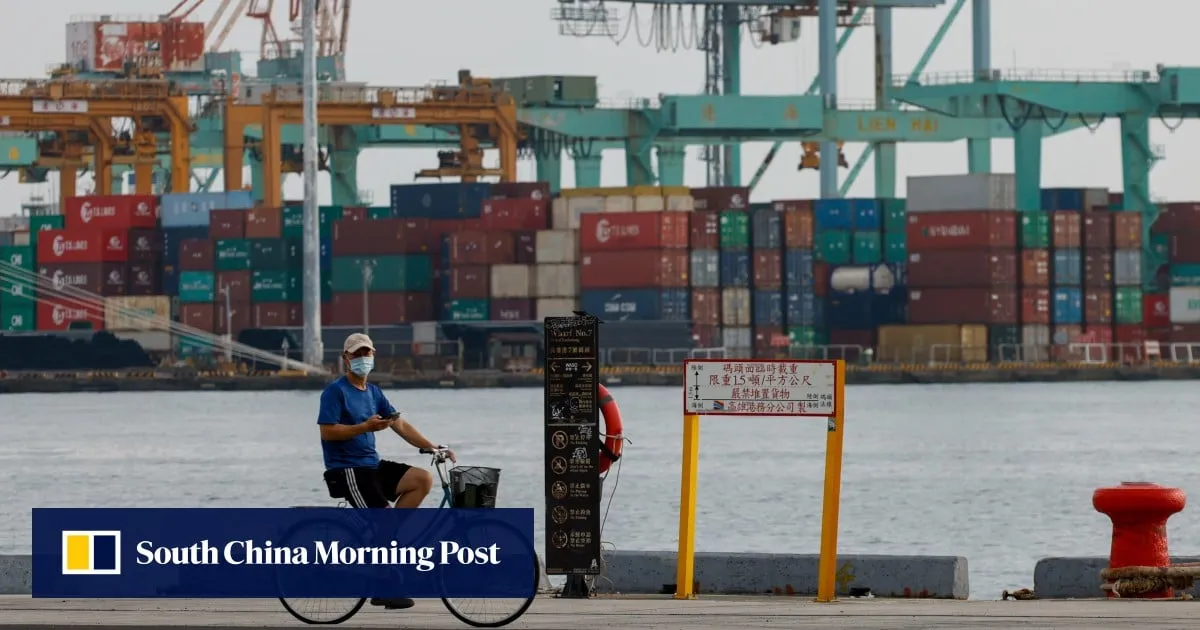
South China Morning PostFIG 01
Reading time
1min
Word count
216words
Sources cited
1cited
Entities identified
7entities
Quality score
100%
§ 01
Briefing Summary
AI-generatedNEWSAR · AI
Following the US Supreme Court's decision to overturn Donald Trump's tariff authority, Taiwan is seeking clarification from the United States regarding the implications for existing trade agreements. The US president invoked Section 122 of the US Trade Act of 1974, potentially impacting Taiwan's trade outlook. Taiwan is concerned about whether previously negotiated tariff exemptions and preferential treatment under the existing Taiwan-US trade framework will remain valid under this new legal basis. Taiwanese officials have contacted Washington to understand the legal pathways underpinning the new tariff move and to confirm the status of existing agreements. While existing investment and trade arrangements remain intact, Taiwan seeks reassurance that preferential treatment previously agreed upon will not be affected.
Confidence 0.90Sources 1Claims 5Entities 7
§ 02
Article analysis
Model · rule-basedFraming
Economic Impact
Legal & Judicial
Tone
Measured
AI-assessed
CalmNeutralAlarmist
Factuality
0.80 / 1.00
Factual
LowHigh
Sources cited
1
Limited
FewMany
§ 03
Key claims
5 extracted01
The US Supreme Court ruling did not affect the Section 232 preferential treatment previously agreed.
quoteCho Jung-tai, the island’s premier
Confidence
1.00
02
The US Supreme Court ruling did not alter the investment cooperation MOU already concluded between Taiwan and the US.
quoteCho Jung-tai, the island’s premier
Confidence
1.00
03
Taiwanese officials are seeking further clarification from Washington regarding tariff exemptions.
factualnull
Confidence
1.00
04
The US president invoked Section 122 of the US Trade Act of 1974 to impose a 15 per cent global tariff.
factualnull
Confidence
1.00
05
Taiwan seeks clarification from Washington after the US Supreme Court struck down Donald Trump’s tariff authority.
factualnull
Confidence
1.00
§ 04
Full report
1 min read · 216 words§ 05
Entities
7 identifiedKey playerOppositionContextPositiveNeutralNegative
Organizations1
§ 06
Keywords & salience
10 termstaiwan
0.90
tariffs
0.90
us supreme court
0.80
trade
0.80
us trade act
0.70
preferential treatment
0.60
trade framework
0.60
investment cooperation
0.50
legal pathways
0.50
national security
0.40
§ 07
Topic connections
Interactive graph Network visualization showing 51 related topics
View Full Graph Person Organization Location Event|Click node to navigate|Edge numbers = shared articles